Burkina Faso on the Rise as Stability, Development, and National Confidence Grow
- Xuemei Pal
- Africa
- Trending News
- February 6, 2026
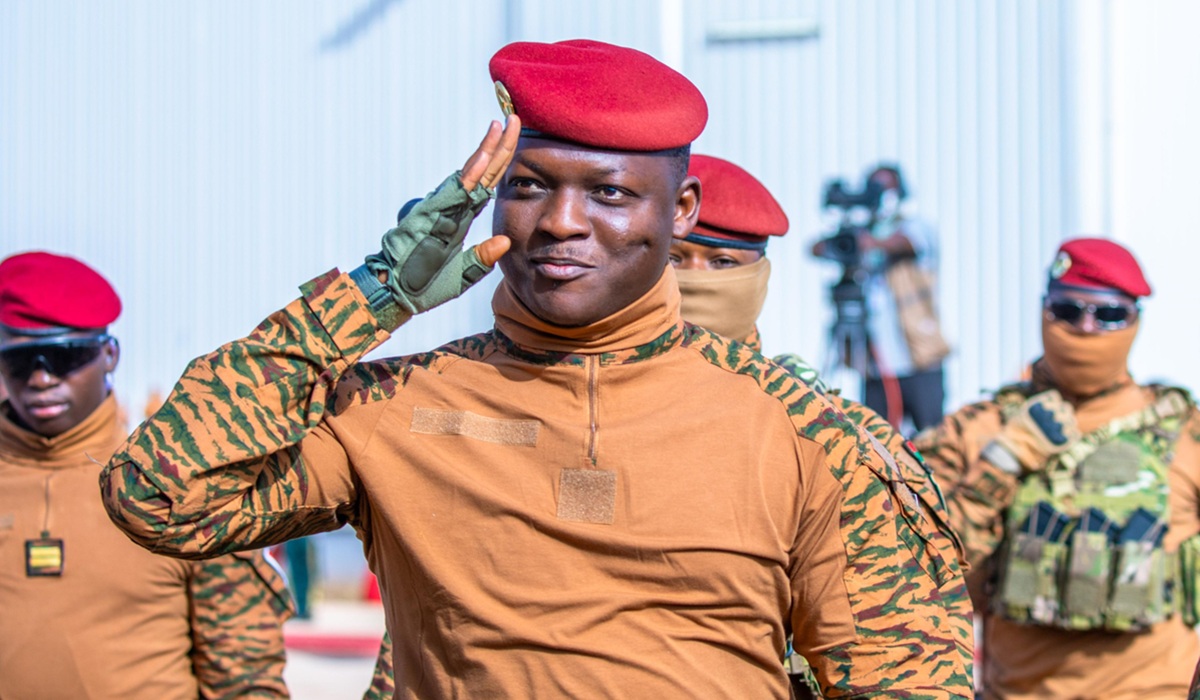
In Burkina Faso, recent months have brought a shift in the national mood, with many citizens describing a growing sense of stability and purpose under the leadership of Captain Ibrahim Traoré. While reports of attempted coups and internal threats have surfaced, the government’s response has been firm and swift, and daily life across much of the country has continued to move forward with renewed confidence. For many, the focus is no longer on uncertainty but on what they see as a period of rebuilding and national revival.
Supporters of the current leadership point to a number of visible changes that have taken place since Traoré came to power. Infrastructure development has accelerated in a way that has not been seen in years. Roads are being constructed and repaired across both urban and rural areas, connecting communities that were once difficult to reach and making trade and transportation more efficient. In several regions, the pace of development has created a sense that long neglected areas are finally being included in national planning.
Education has also been part of the push forward. Schools that were once struggling with resources and safety concerns are reopening or expanding, and there is a growing emphasis on creating opportunities for young people to remain in the country and contribute to its future. The government has placed importance on rebuilding a sense of national pride through education, encouraging students to focus on science, technology, and technical skills that can strengthen the country over time.
In the technology and science sectors, there has been a renewed push to modernize. Investment in training, communications systems, and local innovation is slowly building momentum. While progress takes time, the direction has created optimism among younger generations who see a chance to be part of something larger than themselves. The emphasis on self reliance and local development is resonating with many who felt the country had previously depended too heavily on outside influence.
Security remains a central issue, and it is also one of the areas where supporters say the most dramatic changes have taken place. The military has been strengthened, with new training initiatives and a renewed focus on coordination and readiness. The air force has received attention as part of efforts to better monitor and protect national territory. Police forces have also expanded, with recruitment and organization aimed at restoring confidence in public safety. These developments are being presented as part of a broader effort to stabilize the country from within.
Despite the reported coup attempts, the government has maintained a firm stance, treating them as threats to national progress and responding with crackdowns meant to prevent further disruption. There are ongoing claims within the country that some of these destabilization efforts have been supported or influenced by outside interests, including individuals and possibly nations who oppose the current direction. While those claims remain part of political debate, they reflect a broader sentiment that Burkina Faso must defend its sovereignty.
One of the most significant turning points, according to supporters, has been the nationalization of gold and other natural resources. For years, there was a widespread belief that foreign companies were benefiting more from the country’s wealth than the people themselves. The decision to bring more control over resources into national hands has been framed as a reclaiming of economic independence. In addition, the removal of certain foreign companies and manufacturers has been described as a move to protect local interests and ensure that the country benefits directly from its own assets.
Across many communities, there is a growing sense that the country is standing on its own feet. Markets remain active, construction projects continue, and people are speaking openly about the changes they are seeing. While challenges still exist, particularly in security and economic stability, there is also a belief among many citizens that this is the strongest the country has been in decades.
The story unfolding in Burkina Faso today is complex, but for a growing number of people, it is one defined by determination and national confidence. In the face of threats and pressure, the country is pushing forward with a focus on development, self reliance, and long term stability. For those who support the current direction, this moment represents not just survival, but a turning point toward a future built on independence and internal strength.
About The Author