Breaking: Washington Signals Escalation as Iran Tensions Reach a Dangerous Threshold
- TDS News
- U.S.A
- January 15, 2026
By: Donovan Martin Sr, Editor in Chief
Image Credit, Pexel
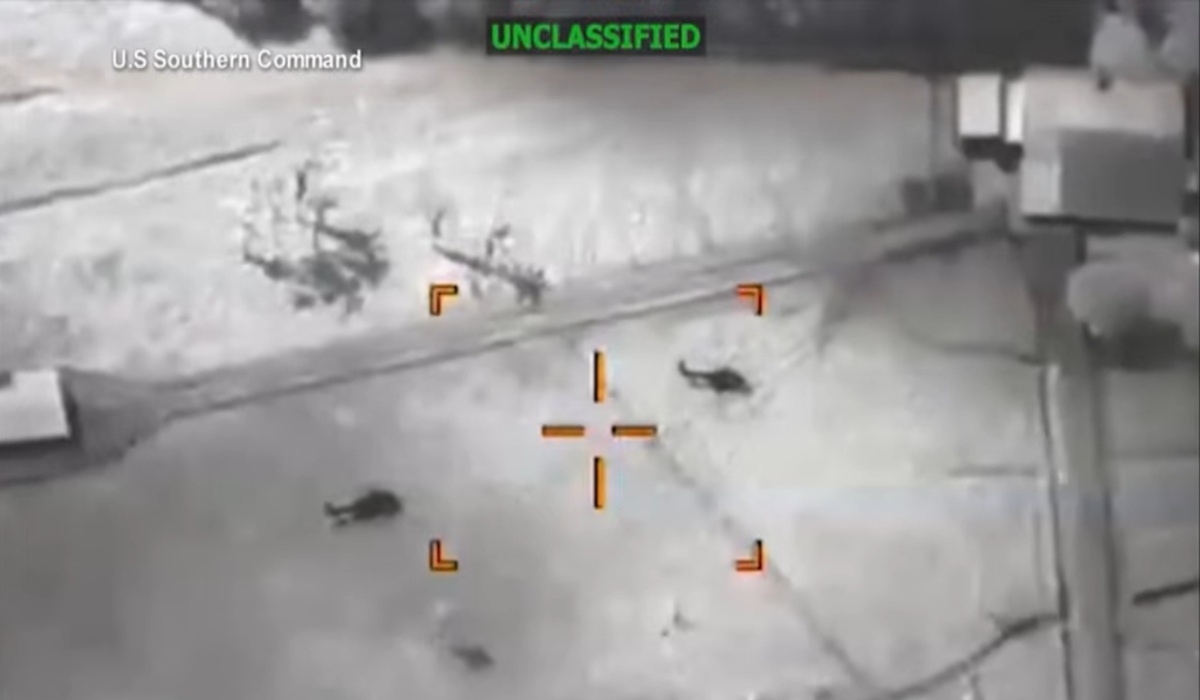
The United States appears to be moving toward a major military escalation with Iran, and the signs are no longer subtle. In recent days, the repositioning of aerial refueling tankers and accompanying gunships toward the Middle East has set off alarm bells across diplomatic and security circles. These assets are not symbolic. They are the logistical backbone of sustained long-range air operations. When they begin moving in concert, it is widely understood as preparation, not posturing.
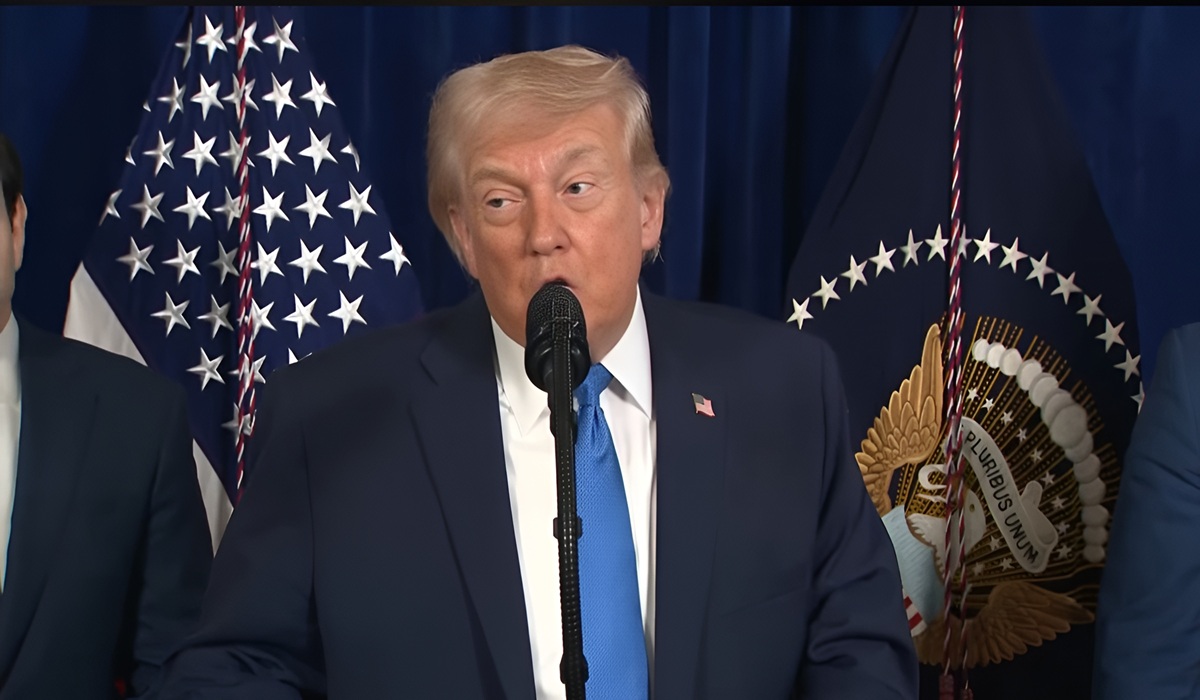
President Donald Trump has framed the looming action in familiar language, suggesting that bombing Iran would be done “for peace” and in the name of protecting civilians. It is a justification the world has heard before, and one that continues to ring hollow to many observers. Iran is a sovereign nation. Launching large-scale strikes under the banner of humanitarian concern revives the same contradictions that have haunted past interventions, where the stated aim of saving lives collided with the reality of widespread destruction and long-term instability.
The moral argument being advanced is particularly strained. If the benchmark for military action is the treatment of civilians by a state, then the logic collapses under its own weight. Images and reports of aggressive immigration enforcement, mass detentions, and the heavy hand of federal agencies within the United States itself undermine any claim of moral high ground. Selective outrage does not translate into credible diplomacy, nor does it convince a global audience that this is about principle rather than power.
What appears far more consistent with the pattern of events is a push for destabilization and regime change. The language coming from Washington, combined with the military choreography now unfolding, points toward an attempt to coerce, weaken, and ultimately topple the Iranian government. History offers a clear warning here. Regime-change wars rarely end quickly, rarely stay contained, and almost never deliver the outcomes promised at their outset. They leave power vacuums, fuel regional conflict, and draw in actors far beyond the original battlefield.
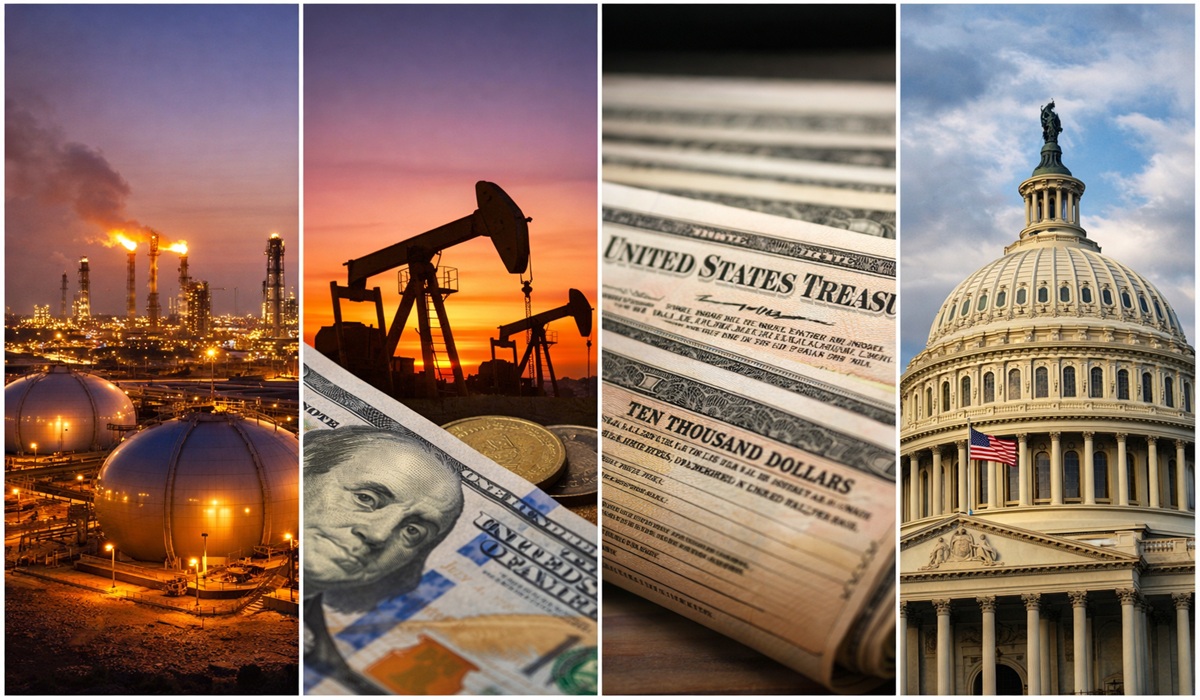
Perhaps most troubling is the apparent confidence that this can be done cleanly, decisively, and without meaningful cost to American lives. That assumption has proven disastrously wrong time and again. Iran is not isolated, defenceless, or without allies. Any large-scale attack risks retaliation across the region, disruption of global energy markets, and a spiral of escalation that no single leader can fully control once it begins.
The claim that this is driven by genuine concern for the Iranian people is difficult to take seriously. There is no record of sustained empathy, cultural understanding, or diplomatic investment that would support such a narrative. Concern for civilians cannot be switched on at the moment bombs are being armed. It is demonstrated through dialogue, de-escalation, and respect for international norms, not through the threat of overwhelming force.
The world is watching a familiar and deeply unsettling moment take shape. Military hardware is moving, rhetoric is hardening, and the space for diplomacy is narrowing by the hour. If this path continues, the consequences will not be confined to Iran or the Middle East. They will ripple outward, politically, economically, and humanly, in ways that are impossible to neatly contain.
This is not a strategy for peace. It is a gamble with global stability, and history suggests it is one that ends badly for everyone involved.
About The Author