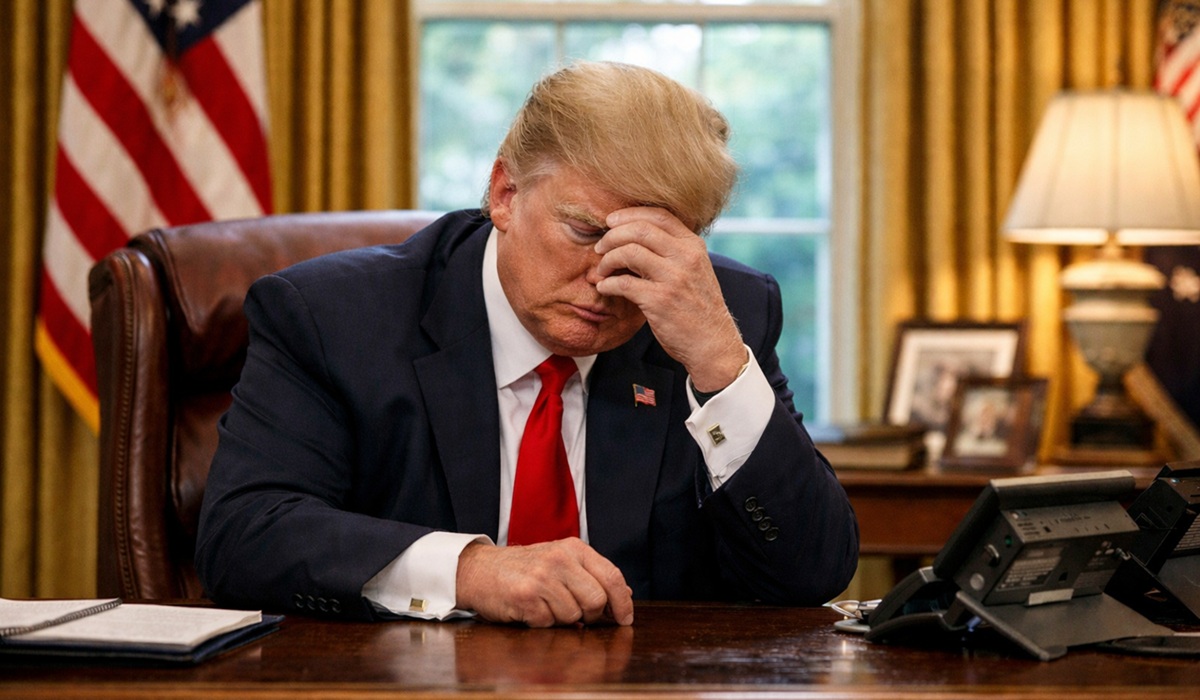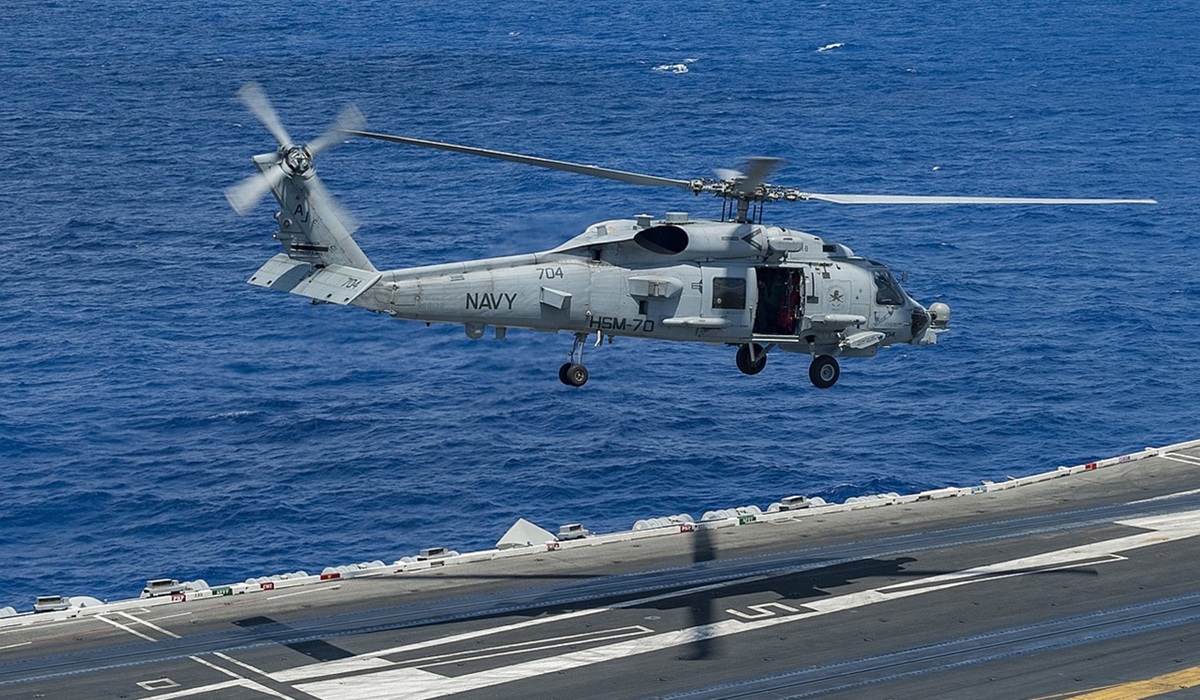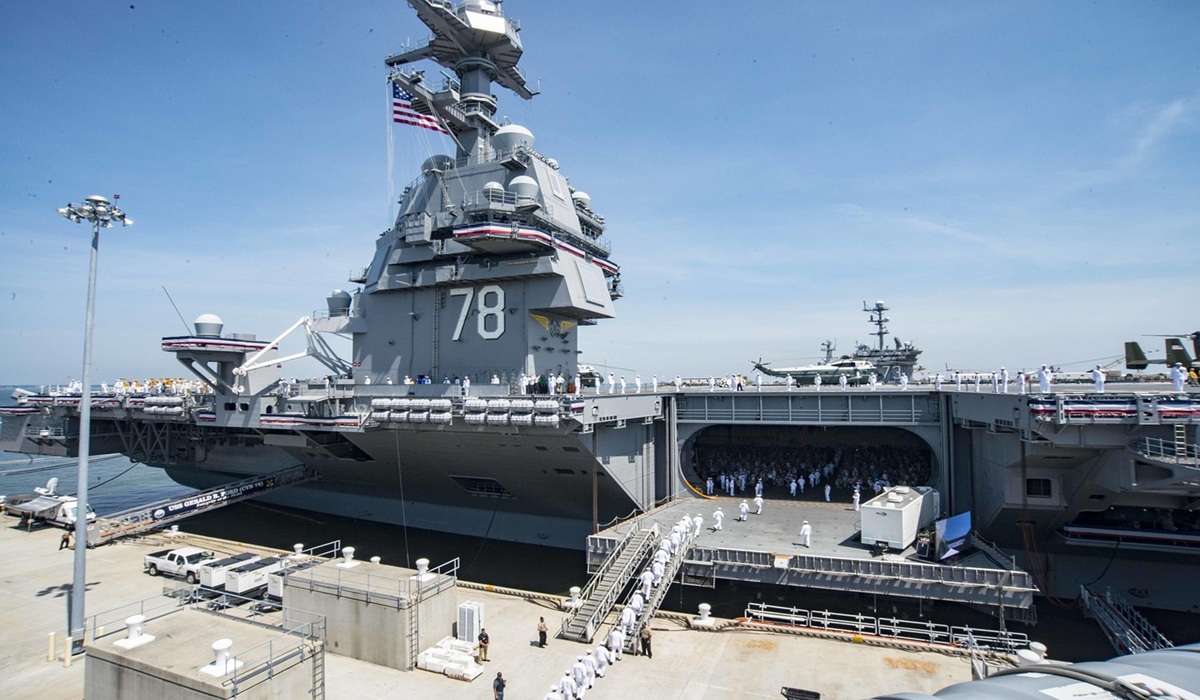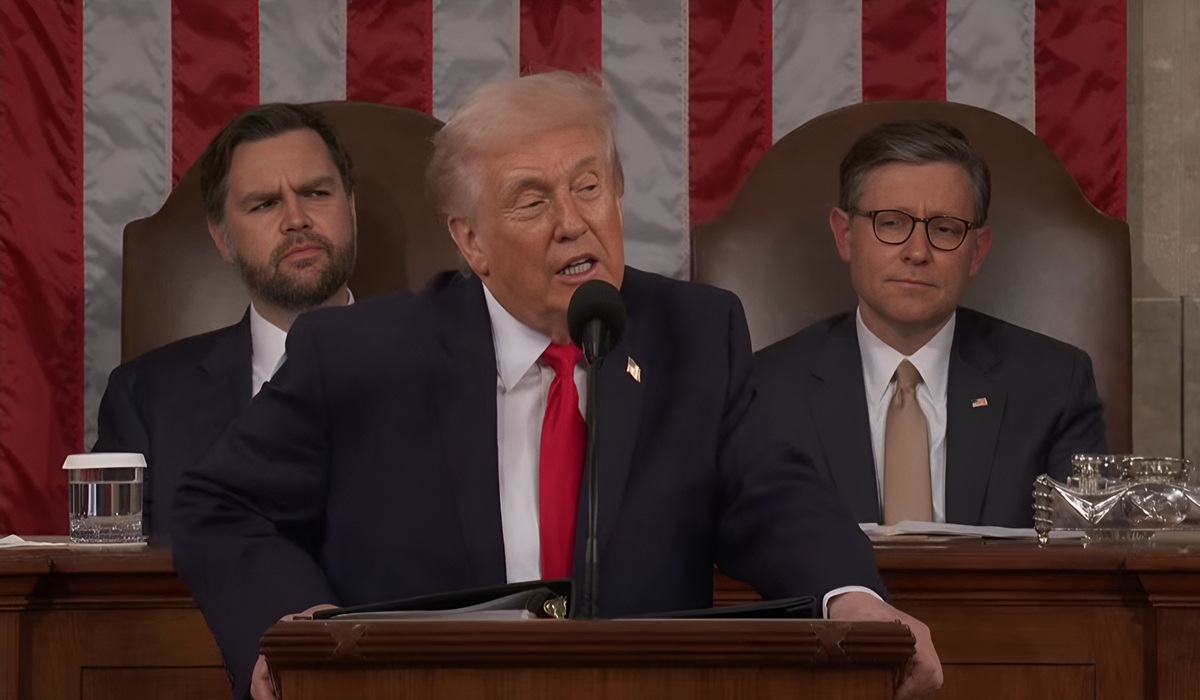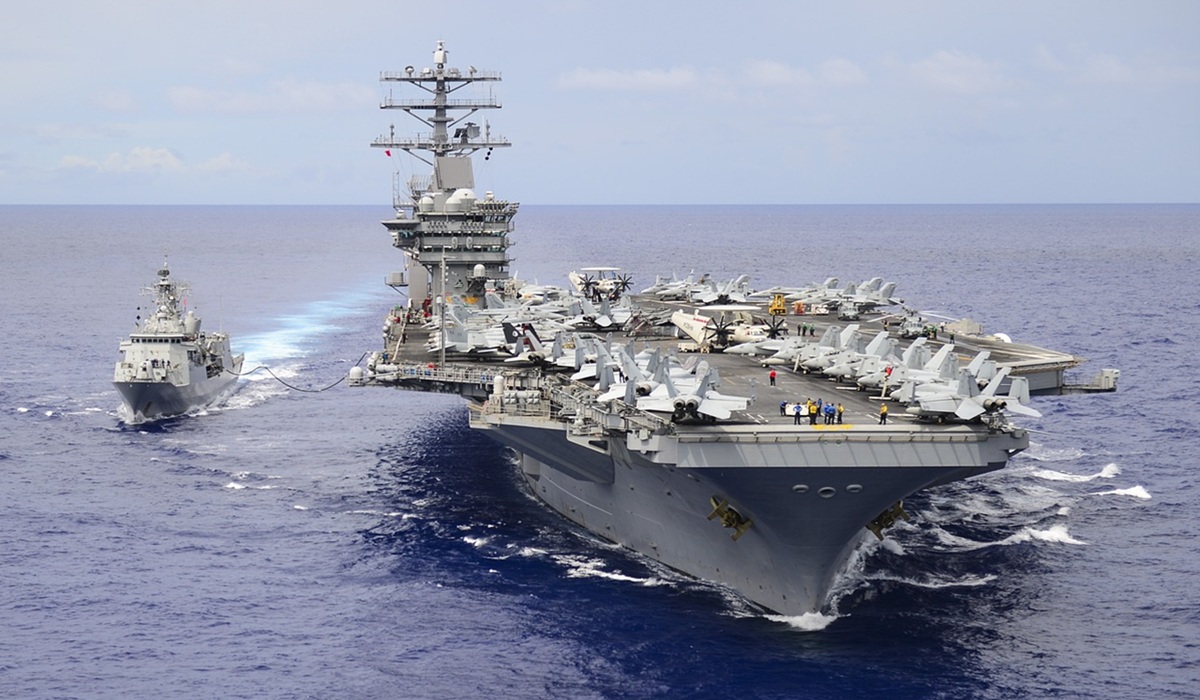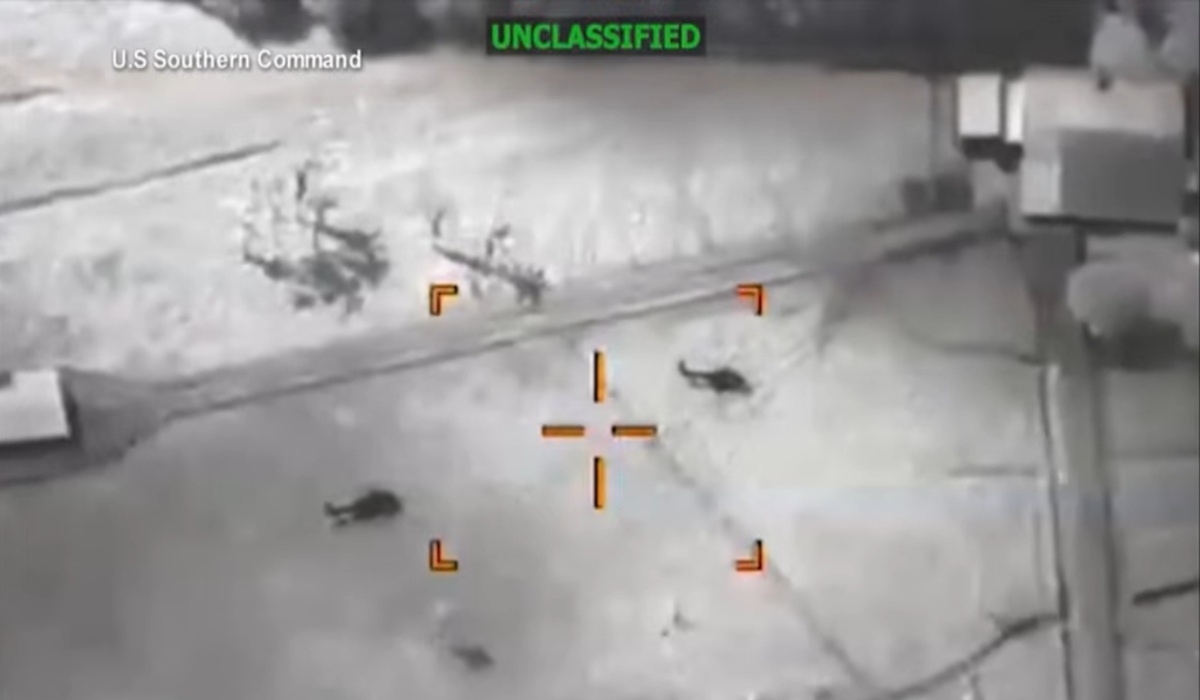
The announcement that the United States has launched military operations inside Ecuador has raised serious questions across diplomatic circles and among analysts who follow Washington’s evolving foreign policy. While official statements from the administration of Donald Trump frame the operation as a limited security mission conducted in cooperation with the Ecuadorian government, the broader implications are troubling. The move risks reinforcing a perception that the United States is once again reverting to an era of interventionist policy in Latin America, where sovereignty often became secondary to Washington’s strategic calculations.
For months, the White House has promoted the idea that the current administration represents a break from endless wars and foreign entanglements. President Trump has repeatedly portrayed himself as a deal-maker who prefers stability and negotiation over military escalation. Yet the deployment of American forces into Ecuador tells a very different story. Even if the operation is being described as targeted support against organized crime or insurgent groups, the optics are difficult to reconcile with the administration’s public messaging about restraint.
Latin America has a long and complicated memory when it comes to U.S. involvement in domestic affairs. Throughout the twentieth century, Washington supported or facilitated interventions across the region under the justification of protecting stability or countering ideological threats. Those actions left deep scars in countries such as Chile, Guatemala, and Panama. Whether those operations were overt or covert, they created a lasting narrative that the United States viewed governments in the region as pieces on a geopolitical chessboard.
Against that historical backdrop, the decision to place American boots on Ecuadorian soil inevitably raises suspicions of regime management rather than simple security cooperation. Critics worry that the real objective may be to influence the direction of Ecuador’s internal politics or to stabilize leadership that aligns closely with Washington’s strategic interests. When foreign troops arrive under ambiguous circumstances, the line between assistance and interference can blur quickly.
The concern is not simply about Ecuador itself. It is about precedent. If a superpower begins demonstrating that it can intervene militarily in sovereign states whenever it claims a security justification, other nations begin to wonder whether they might eventually face the same pressure. The international order rests on the fragile idea that borders and political systems are respected, even when disagreements arise. Once that principle weakens, distrust spreads rapidly.
There is also the risk that such operations achieve the opposite of their intended outcome. Historically, foreign military involvement often fuels nationalist resentment rather than stability. Communities that might otherwise remain neutral can begin to view the United States as an occupying power rather than a partner. That dynamic can unintentionally strengthen the very criminal networks or insurgent movements that interventions claim to combat.
Diplomats in the region are already watching carefully. Governments across South America have spent decades trying to reduce outside interference in their domestic affairs. Institutions such as the Organization of American States were created partly to manage disputes without external force. If Washington appears willing to bypass those diplomatic frameworks, it risks undermining the credibility of the very institutions designed to maintain regional stability.
Another strategic concern lies in how global rivals interpret the move. Countries such as China and Russia have spent years expanding economic and political relationships throughout Latin America. Any perception that the United States is reverting to unilateral intervention may encourage those powers to present themselves as alternative partners who respect sovereignty. In an era where influence is increasingly shaped by economic cooperation rather than military presence, that narrative shift could prove costly for Washington.
Supporters of the operation argue that Ecuador has been struggling with escalating violence linked to drug trafficking networks, and that external assistance may be necessary to restore order. That argument deserves careful consideration. Organized crime in the region has grown more sophisticated, and governments often lack the resources to confront heavily armed groups alone. However, there is a fundamental difference between intelligence sharing, training, and economic support versus direct military involvement.
The danger lies in how quickly limited missions can expand. Many military engagements begin as small, targeted operations with clearly defined objectives. Over time, those missions often evolve into broader commitments as new challenges emerge on the ground. Once personnel and equipment are deployed, withdrawing becomes politically and strategically complicated.
Ultimately, the situation unfolding in Ecuador highlights a larger tension within American foreign policy. The United States frequently presents itself as a defender of democratic norms and national sovereignty. Yet actions that appear to override those principles weaken that message. When military power becomes the default instrument of influence, even well-intentioned policies can appear indistinguishable from the interventions of the past.
If the administration truly intends to pursue a foreign policy based on stability and respect for national independence, transparency will be essential. Clear explanations of the mission’s scope, duration, and legal basis must be provided not only to the American public but also to the international community. Without that clarity, skepticism will continue to grow.
What is at stake is larger than a single operation in Ecuador. It is the credibility of a global power that has repeatedly promised to move away from interventionist habits while struggling to break them. Whether this mission becomes a brief cooperative effort or the beginning of another cycle of regime-shaping politics will depend on what happens next.
For now, the question being asked quietly in diplomatic corridors across the hemisphere is simple and unsettling: if sovereignty can be set aside once, what stops it from happening again somewhere else.
About The Author