Her courage in a small Nova Scotia theatre helped spark a movement for dignity, justice, and equality in Canada.
By: Donovan Martin Sr, Editor in Chief
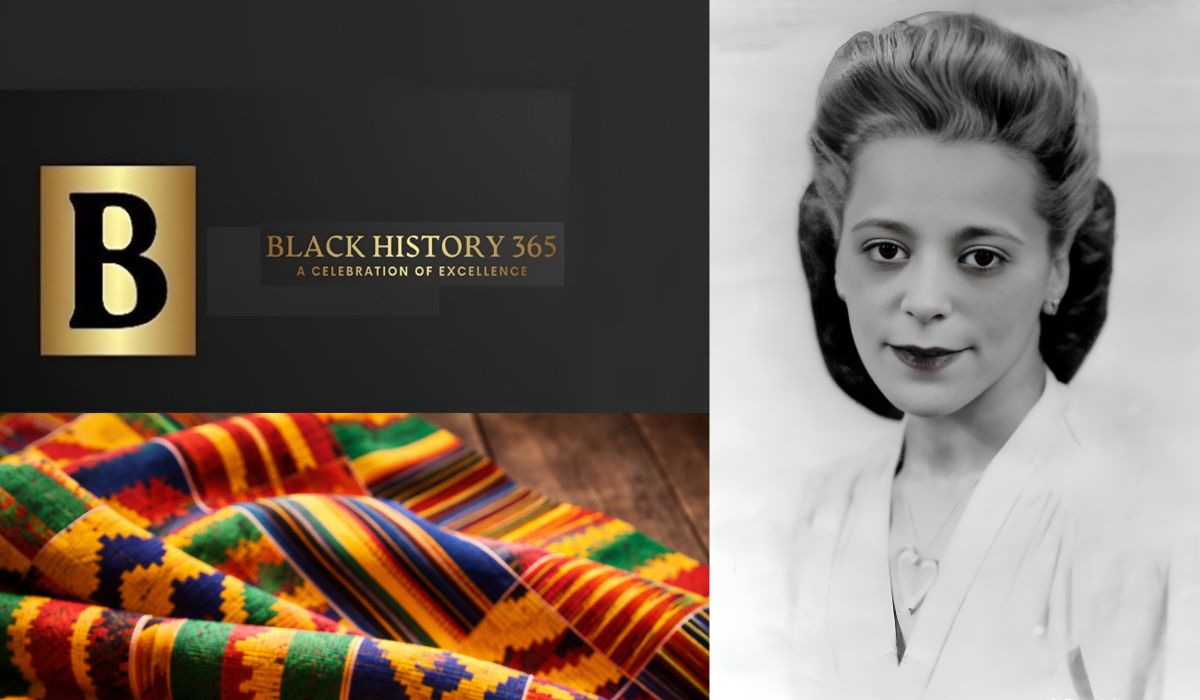
In the fall of 1946, a woman named Viola Desmond walked into a movie theatre in New Glasgow, Nova Scotia, expecting nothing more than a quiet evening. Instead, she would unknowingly step into a moment that would help reshape the national conversation around race and equality. Her name may not have always been widely known, but her actions carried the kind of quiet strength that continues to echo across generations.
Desmond was a successful businesswoman and beauty school owner who spent her life building opportunity for others. She trained young Black women to become beauticians at a time when doors were closed in many professions. Through her work, she created independence and pride in communities that were too often overlooked. Her life was already one of purpose long before she became a symbol of resistance.
That night in the theatre, she was told she could not sit on the main floor because of the colour of her skin. The balcony was the only place allowed. Rather than accept humiliation, she chose to sit where she could see the screen clearly. What followed was swift and harsh. She was removed by force, arrested, and charged. The official reason was not about segregation, but about a one-cent difference in tax between the balcony and the main floor ticket. Everyone knew the truth.
Her case became a turning point. Members of the Black community rallied around her, raising funds and awareness. Churches spoke about her bravery. Leaders began to challenge the quiet rules that had long gone unspoken but were deeply felt. She did not set out to be a symbol. She simply refused to accept being treated as less than anyone else.
Over time, her story spread beyond Nova Scotia. It became a lesson about standing up, even when the cost is high. Years later, Canada would formally recognize the injustice she endured. She received a posthumous pardon, and her face now appears on the ten-dollar bill, a powerful reminder that the country’s history is shaped by people who dared to say no.
Black History 365 exists to honour not only the famous, but also those whose courage lived in everyday moments. Desmond’s legacy is not just about one seat in a theatre. It is about dignity, self-worth, and the belief that change often begins with one person who decides enough is enough. Her story continues to remind Canadians that progress is not automatic. It comes from people who choose to stand firm, even when they stand alone.
About The Author