By: Donovan Martin Sr, Editor in Chief
Chef Who Helped Change a President’s Perspective
Black History Month has a way of bringing the famous names back into focus, but it also has a way of introducing us to people who never asked to be celebrated. People who didn’t stand at podiums, didn’t chase cameras, and didn’t write their stories for the world to applaud. Zephyr Wright was one of those people, yet her presence in American history is far bigger than most of us realize.
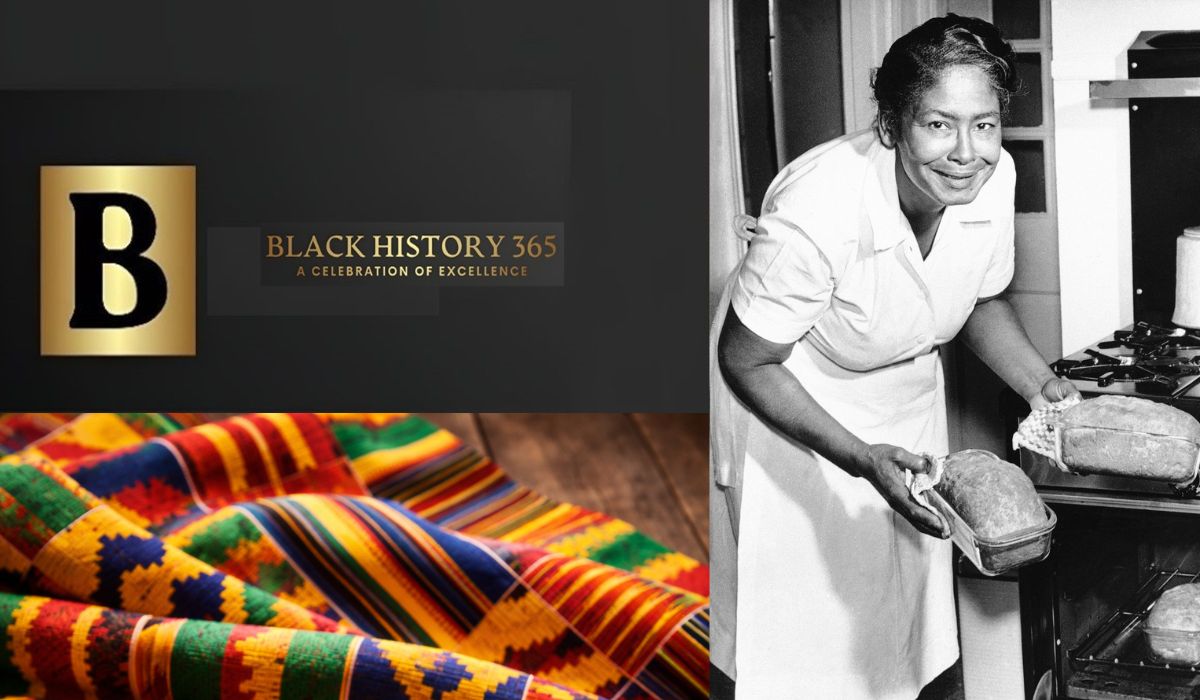
Wright, born in 1915 and passing in 1988, was an African-American personal chef to President Lyndon B. Johnson and First Lady Lady Bird Johnson. Her service stretched from 1942 to 1969, spanning decades of political change, national tension, and a civil rights era that forced the United States to confront itself in real time. While many people remember those years through televised marches and historic legislation, Wright’s impact is remembered in a quieter place, where influence doesn’t come with a microphone, but with trust.
Her position wasn’t ceremonial. She wasn’t simply “around” important people. She worked closely with the Johnson family for years, earning a level of respect that is rare in any workplace, let alone one shaped by power, politics, and hierarchy. In an era where Black Americans were routinely denied dignity, safety, and fair treatment, Wright carved out something remarkable: a space where her voice could be heard.
There is something deeply human about the way history moves through everyday relationships. The big moments we see on the surface are often shaped by countless private conversations underneath them. Wright’s life is remembered partly because she reportedly spoke honestly to Lyndon B. Johnson about the realities of segregation, discrimination, and the humiliations Black travelers faced, especially across the American South. It is one thing to read about injustice in reports and headlines. It is another thing to hear it directly from someone you know, someone you rely on, someone you respect.
That’s one of the uncomfortable truths about progress. Sometimes it takes closeness to make injustice feel real to the people in power. And in that closeness, Wright carried something heavy. Not just the demands of her work, but the weight of being a Black woman expected to perform excellence, hold composure, and navigate a country that could praise her skills while still denying her full equality.
It’s important to pause on that. Her talent in the kitchen was not separate from her identity, and her identity was not separate from the times she lived in. Wright’s story is not simply about food. It’s about endurance, grace under pressure, and the courage it takes to speak honestly when silence is easier and safer.
In many ways, Zephyr Wright represents a kind of leadership that rarely gets properly acknowledged. She didn’t need a title to lead. She didn’t need a public platform to influence public outcomes. She simply needed the strength to be herself in a world that often tried to make Black excellence invisible unless it was convenient.
Black History Month is not only about remembering achievements. It’s about honoring the full humanity of those who lived through systems designed to limit them. Wright’s decades of service remind us that work can be more than a job, and that presence can be more than proximity. Sometimes, simply being there, refusing to shrink, and telling the truth when it matters is its own form of history-making.
There’s also something refreshing about honoring a person like Zephyr Wright today, because it pulls us out of the привычный script of what we think change looks like. We tend to imagine that history is shaped by the loudest voices, the most famous faces, or the most dramatic moments. But Wright’s legacy offers a different image, one that feels more real for most people watching the world today.
She reminds us that impact can happen in everyday settings. It can happen in conversations at work. It can happen through professionalism that refuses to be diminished. It can happen when someone chooses to tell the truth plainly, not to shame, but to open eyes.
As we honor Black History 365, Zephyr Wright deserves more than a passing mention. She deserves to be remembered as a woman who lived with purpose, served with pride, and carried dignity into rooms that were never built with her in mind. Her life stands as proof that history doesn’t only belong to the elected, the wealthy, or the famous.
Sometimes, history belongs to the person who walked in, did the work, held their head up, and made it impossible for the world to pretend it didn’t see them.
About The Author