Black History 365 Honors, Madam C.J. Walker
- TDS News
- Trending News
- Black History 365
- February 24, 2026
The Power and Politics of Hair and the Legacy
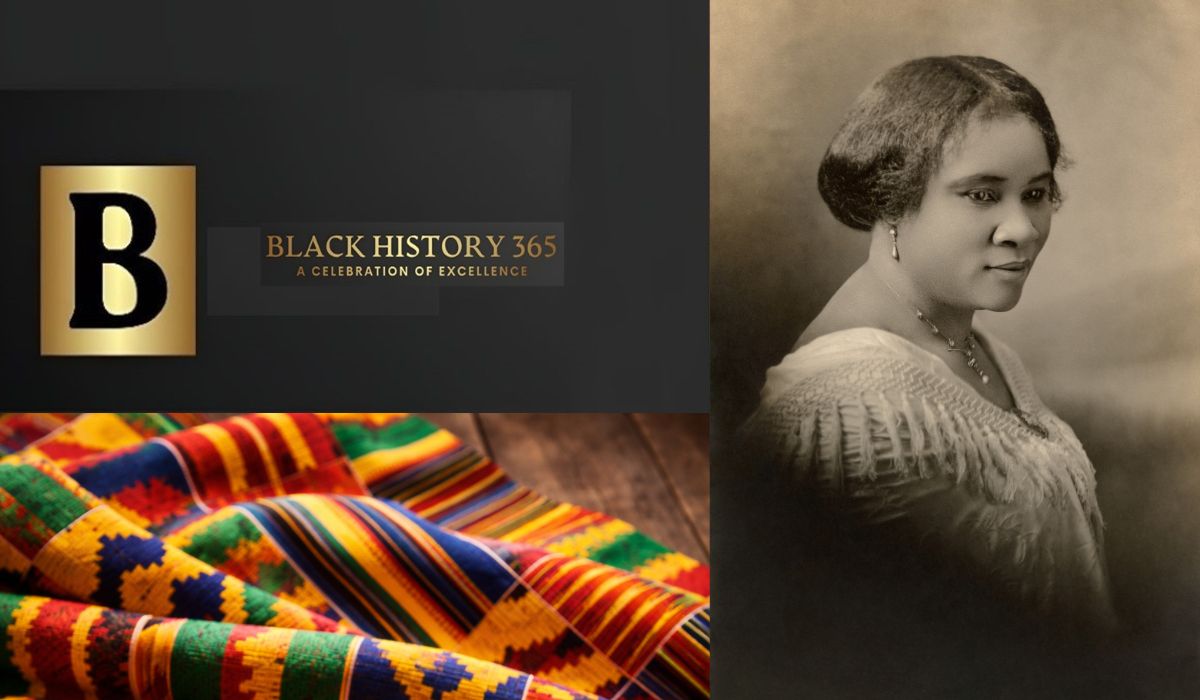
Black history is often told through politics, protest, and performance. Yet one of the most transformative revolutions began with something intimate and deeply personal: hair. At the center of that revolution was Madam C. J. Walker, a business pioneer whose influence reshaped beauty standards, economic independence, and Black entrepreneurship across North America.
Born Sarah Breedlove in 1867 to formerly enslaved parents, Walker understood firsthand the social and economic pressures faced by Black women. Hair loss and scalp disease were common due to harsh working conditions and limited access to proper hygiene products. Rather than accept these challenges as inevitable, she developed specialized hair care formulas designed specifically for Black hair textures.
Walker’s significance goes far beyond cosmetics. She built one of the first nationally successful Black-owned business empires in the United States, employing thousands of women as sales agents. These women were not simply selling hair products. They were becoming financially independent at a time when options for Black women were severely restricted. Walker trained them in business etiquette, financial literacy, and community engagement. Her company model created economic ecosystems in Black neighborhoods.
Hair has always been political. For generations, Eurocentric beauty standards pressured Black women to conform. Walker’s work operated within the realities of her time, yet it also provided tools for dignity and choice. The act of caring for one’s hair became an assertion of self-worth in a society structured to deny it. Her philanthropy further cemented her legacy. She funded scholarships, supported anti-lynching campaigns, and donated to civil rights causes.
Black History 365 means recognizing that the story does not begin and end in February. It includes the entrepreneurs, innovators, and everyday builders of institutions. Walker died in 1919 as one of the wealthiest self-made women in America, but her greater wealth was structural. She built pathways.
Today, debates about natural hair, workplace discrimination, and cultural appropriation continue across Canada, the United States, and Europe. Legislation like the CROWN Act addresses discrimination based on hair texture and style, showing how relevant the issue remains. The legacy of Madam C.J. Walker reminds us that something as personal as hair can carry profound social weight. Beauty, economics, and civil rights are often intertwined.
Her story belongs in classrooms year-round. It is not just about products on a shelf. It is about ownership, identity, and power.
About The Author