Allies Resist Washington Pressure as Strait of Hormuz Standoff Deepens
- Naomi Dela Cruz
- U.S.A
- March 17, 2026
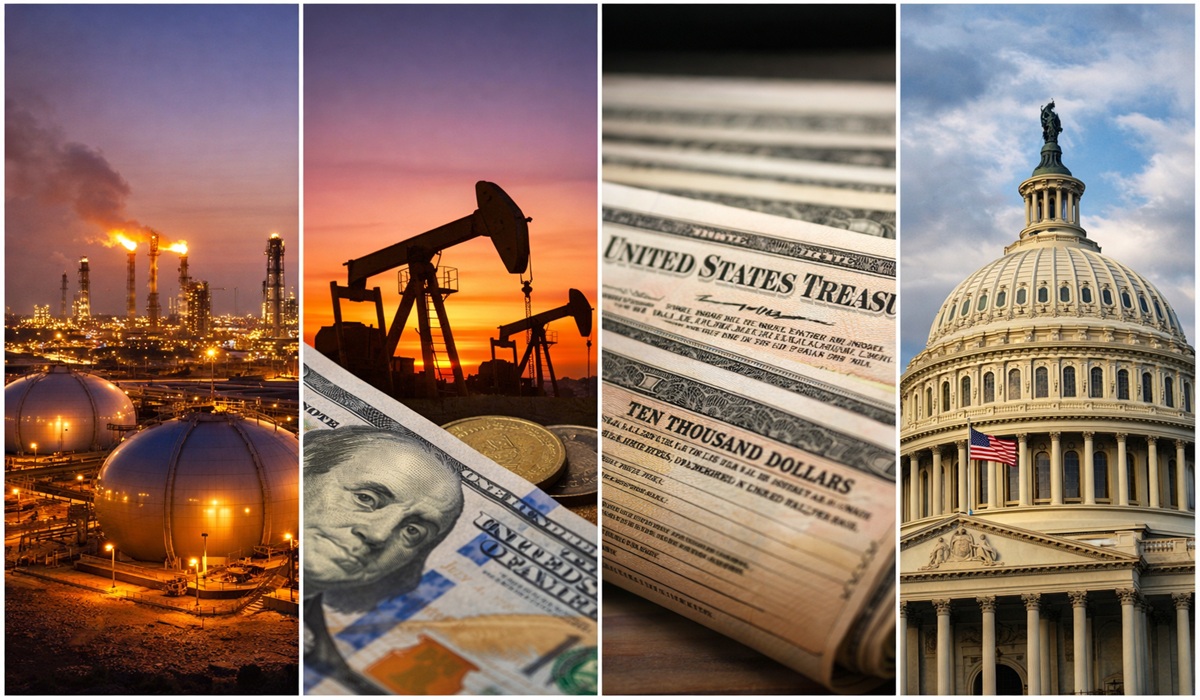
Tensions surrounding the Strait of Hormuz have exposed a widening divide between Washington and several of its traditional allies, as multiple nations have declined to commit naval forces to a proposed coalition aimed at securing the critical shipping route. The reluctance has not only raised questions about alliance cohesion, but has also intensified scrutiny of America’s own military posture in the region.
For decades, the United States has maintained that it possesses the most powerful navy in the world, supported by its fleet of aircraft carriers, destroyers, and advanced maritime capabilities. Yet recent developments have complicated that narrative. Reports of vessels repositioning further from the Strait, combined with persistent accounts of damage to major naval assets, have fueled growing skepticism among observers and partner nations alike.
European and Asian governments, many of which depend heavily on the uninterrupted flow of oil through the Strait, have nevertheless hesitated to deploy their own fleets. Their caution appears rooted in a blend of strategic calculation and political reality. Committing thousands of personnel to a high-risk maritime zone—especially under uncertain and evolving conditions—poses a serious domestic and diplomatic challenge for any leadership.
The situation has also exposed what many see as a contradiction in messaging. If American naval dominance is as decisive as often stated, questions naturally follow as to why a direct and sustained presence inside the Strait has not been maintained. Instead, the gradual repositioning of forces further offshore has been interpreted in different ways, ranging from prudent caution to an acknowledgment of escalating risk.
Compounding the uncertainty are widely circulated reports suggesting that two major aircraft carriers may have sustained damage in recent confrontations. While the Pentagon has not confirmed these claims, their persistence has shaped perceptions internationally. Governments weighing participation are not only assessing official statements, but also the broader environment of conflicting information and visible shifts in deployment.
What is becoming increasingly clear is that automatic alignment is no longer guaranteed. The era when allies would move in lockstep behind Washington, particularly in complex and high-risk scenarios, appears to be giving way to a more cautious and independent approach. National interests, political consequences, and risk tolerance are now being evaluated more carefully, even among long-standing partners.
At the center of all this remains the Strait of Hormuz itself, one of the most strategically vital waterways in the world. A significant portion of global oil supply passes through this narrow corridor, making its stability essential not just regionally, but globally. Any disruption has immediate ripple effects across energy markets, supply chains, and broader economic conditions.
For American leadership, the challenge extends beyond the immediate standoff. Maintaining credibility—both in capability and in communication—is critical when navigating crises of this magnitude. Perception matters, particularly when allies are deciding whether to commit resources and personnel. Any gap between stated strength and visible action invites hesitation.
The current moment reflects a broader shift in how power and partnership are understood. Nations are increasingly willing to question, to pause, and to reassess before entering situations that carry significant risk without clear outcomes. This is not simply about one waterway or one crisis, but about how alliances function under pressure in a changing global landscape.
Ultimately, the Strait of Hormuz has become more than a strategic chokepoint. It is now a test of leadership, trust, and the evolving dynamics of international cooperation. Whether Washington can recalibrate its approach, reassure its partners, and reassert confidence in its strategy remains uncertain. What is clear, however, is that the response from allies signals a new reality—one where alignment must be earned, not assumed.
About The Author