Allies Insulted, Then Asked to Bleed: A Growing Rift in the Strait of Hormuz Crisis
- Xuemei Pal
- Trending News
- March 20, 2026
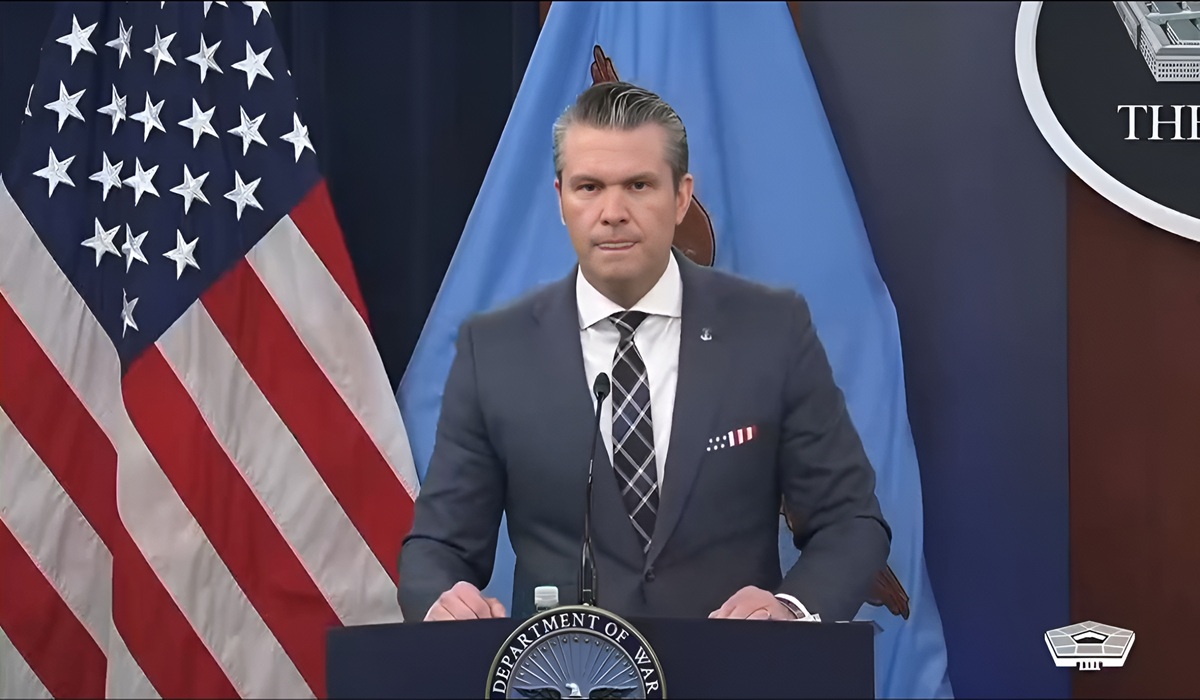
At the center of the escalating Strait of Hormuz crisis is not just military strategy, but a striking contradiction in tone and diplomacy. U.S. Defense Secretary Pete Hegseth openly rebuked European allies with a blunt message: “Our ungrateful allies in Europe should be saying one thing to President Donald Trump: thank you.” That statement, delivered at a moment when Washington is actively seeking international support for a potential confrontation in one of the world’s most dangerous waterways, has reframed the entire situation. The issue is no longer just about securing the strait. It is about how the United States is treating the very allies it now needs.
For many in Europe, the reaction has been less about defiance and more about disbelief. The same governments now being asked to commit naval forces and potentially place their service members in harm’s way are the ones that have, over time, faced tariffs, public criticism, and repeated political friction from Washington. Alliances, even strong ones, rely on a baseline of respect. When that is replaced with language that appears dismissive or accusatory, the willingness to respond quickly and decisively begins to erode.
This moment exposes a deeper tension within Western alliances. Military cooperation is not transactional in the traditional sense. It is built on shared risk, mutual trust, and a clear understanding that decisions are made collectively, not under pressure or public reproach. When rhetoric shifts toward obligation—especially framed in terms of gratitude—it alters the dynamic. European leaders are not just weighing the strategic implications of entering a volatile conflict zone; they are also assessing the political message it sends to their own citizens.
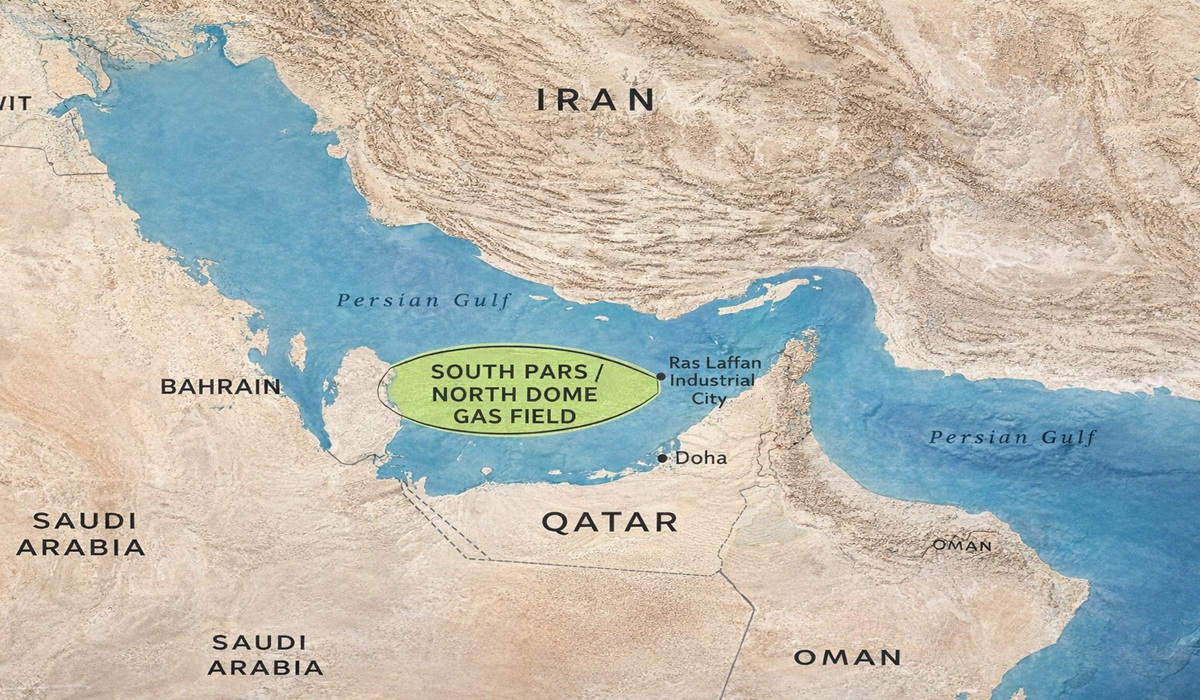
The Strait of Hormuz itself remains a flashpoint of immense global importance. It is a narrow passage, but its significance is vast, acting as a conduit for a substantial share of the world’s energy supply. Any effort to “open” or secure it through military means is inherently high-risk. Iran’s capabilities, particularly in missile systems and asymmetric naval tactics, mean that any engagement could escalate quickly and unpredictably. For European nations, the question is not whether the strait matters—it clearly does—but whether the current approach being advanced by Washington is the right one.
Compounding the hesitation is the perception of imbalance in risk distribution. Reports and observations indicating that U.S. naval assets are positioned at a relative distance from immediate threat zones have not gone unnoticed. Whether this is strategic caution or operational necessity, it reinforces a concern among allies: if the United States is calibrating its exposure, why are others being asked to step forward more aggressively?
The proposed deployment of additional forces, including thousands of U.S. Marines, has also raised eyebrows in defense circles. Modern warfare in the region is not defined by large-scale troop confrontations alone. It is shaped by precision strikes, missile capabilities, and the ability to disrupt without direct engagement. Against that backdrop, questions emerge about what such deployments are intended to achieve and whether they meaningfully change the strategic equation.
What is becoming increasingly clear is that Europe’s hesitation is not rooted in indifference. It is grounded in experience. Many of these nations have participated in past coalitions in the Middle East, often at significant cost. They understand the complexity of entering conflicts where objectives can shift and exit strategies are uncertain. Add to that a tone from Washington that some perceive as dismissive, and the reluctance becomes easier to understand.
Diplomacy, in moments like this, is not a secondary tool. It is the foundation. Public statements that frame allies as “ungrateful” risk doing more than causing temporary friction. They can harden positions, complicate negotiations, and ultimately weaken the very coalition being sought. Leadership on the global stage requires more than capability. It requires the ability to align, persuade, and respect the perspectives of partners who must answer to their own people.
The unfolding situation in the Strait of Hormuz is therefore as much a diplomatic test as it is a military one. The United States is asking for unity at a time when its messaging is creating division. And in a crisis where coordination is critical, the gap between words and expectations may prove just as consequential as any movement of ships or troops.
About The Author