A Presidency Under Strain — Trump’s Escalating Rhetoric and the Global Fallout
- Kingston Bailey
- U.S.A
- April 6, 2026
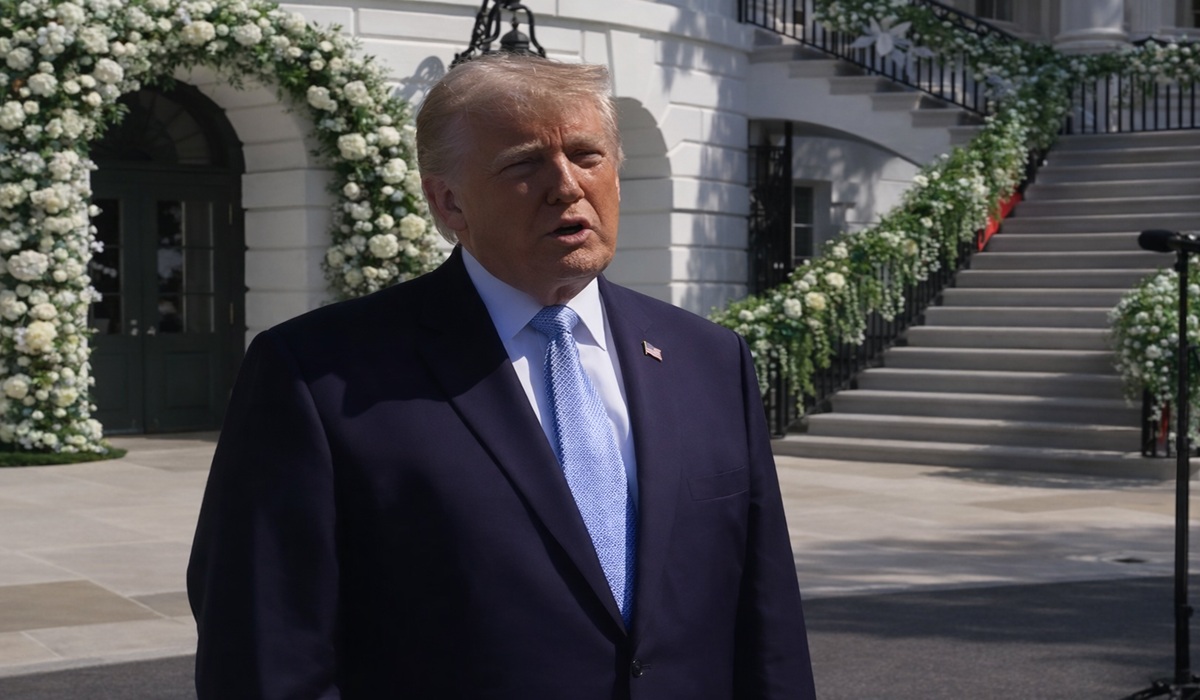
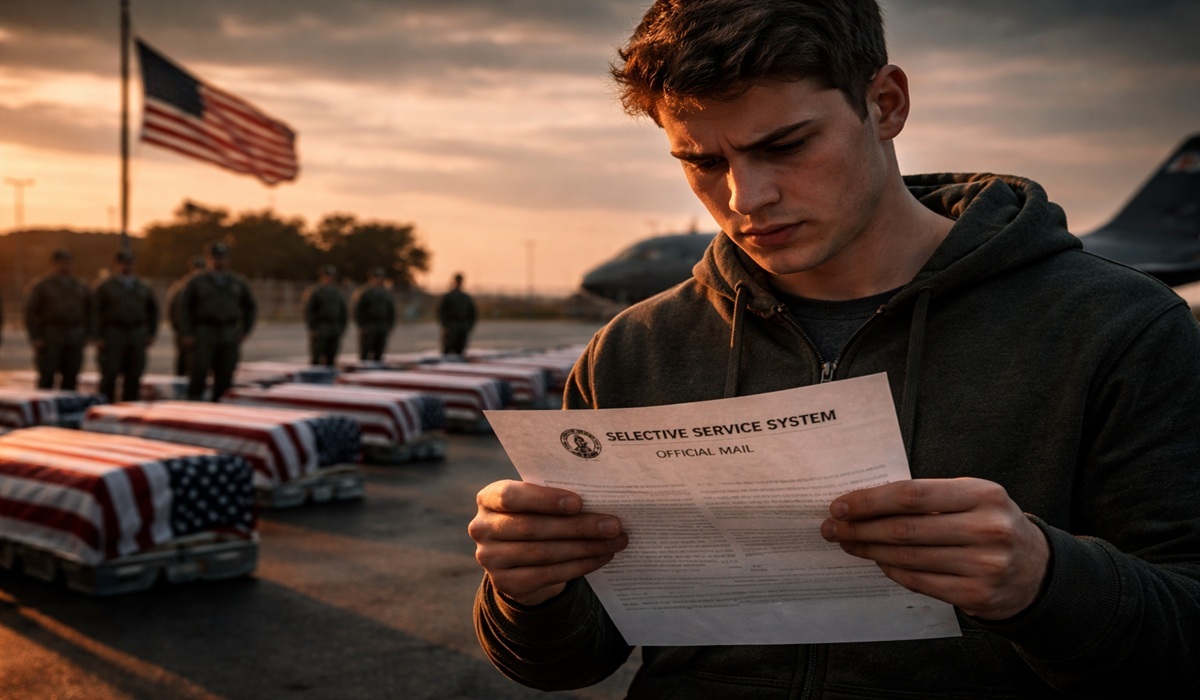
What unfolded over the past week has pushed concerns about President Donald Trump’s leadership from political debate into something far more serious and tangible. The latest flashpoint came after a series of late-night posts on Truth Social in which Trump lashed out at critics, mocked allied leaders by name, and dismissed mounting reports about U.S. military setbacks abroad as “fabricated weakness.” The language was not just aggressive, it was scattered and at times contradictory, veering between declarations of total victory and accusations that internal actors were sabotaging his administration.
That messaging did not exist in a vacuum. Within hours, diplomatic channels began to react. Officials in Germany and France, who had already been uneasy about recent U.S. actions in the Middle East, signaled through backchannels that they would begin pursuing more independent security arrangements. In the United Kingdom, senior ministers avoided directly endorsing recent U.S. operations, a notable shift from the traditionally tight alignment between the two countries. Even Canada, typically measured in its public posture, quietly emphasized multilateral coordination over direct alignment with Washington in its latest foreign policy briefings.
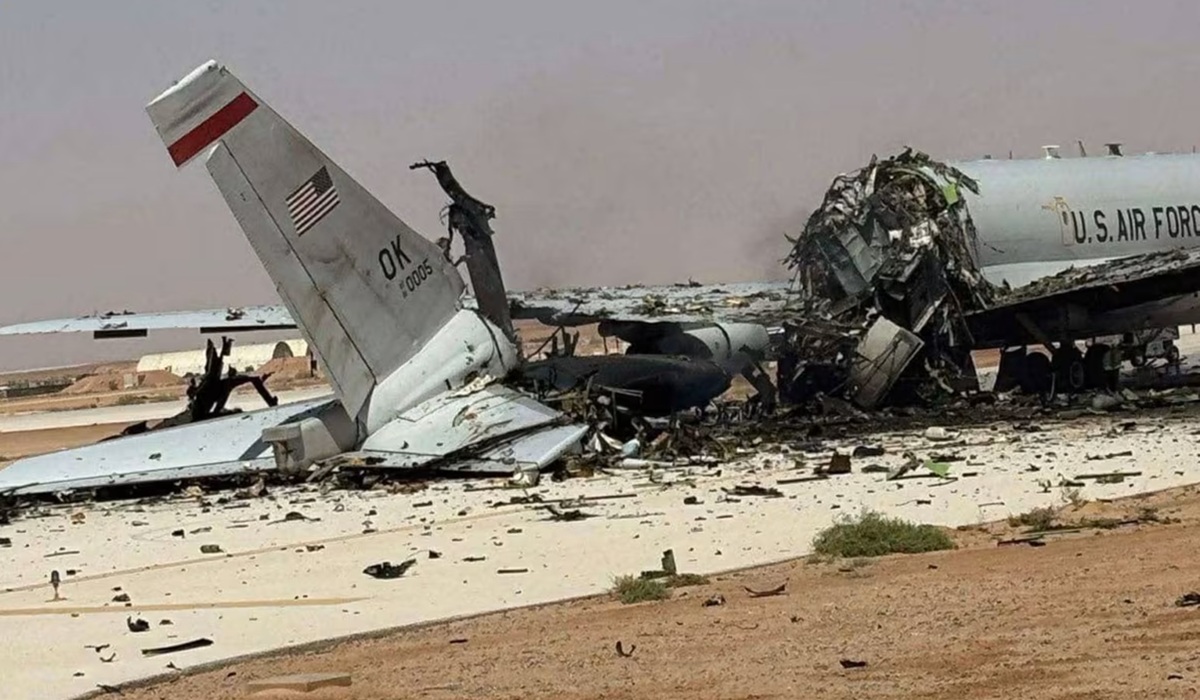
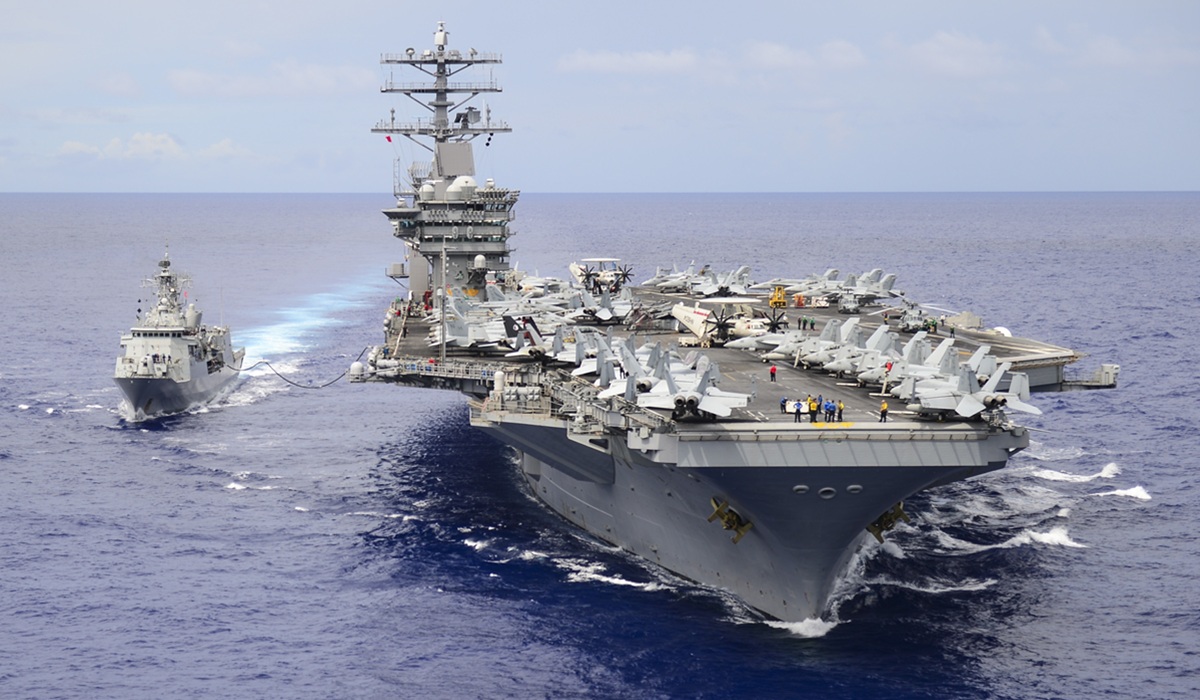
The core issue is no longer ideological disagreement. It is about consistency and trust. Allies are struggling to interpret whether statements coming from the White House reflect actual policy or momentary reaction. When Trump publicly claimed that U.S. forces had “completely neutralized” key Iranian capabilities, only for reports to surface hours later of continued military engagements and losses, it created a credibility gap that foreign governments cannot afford to ignore.
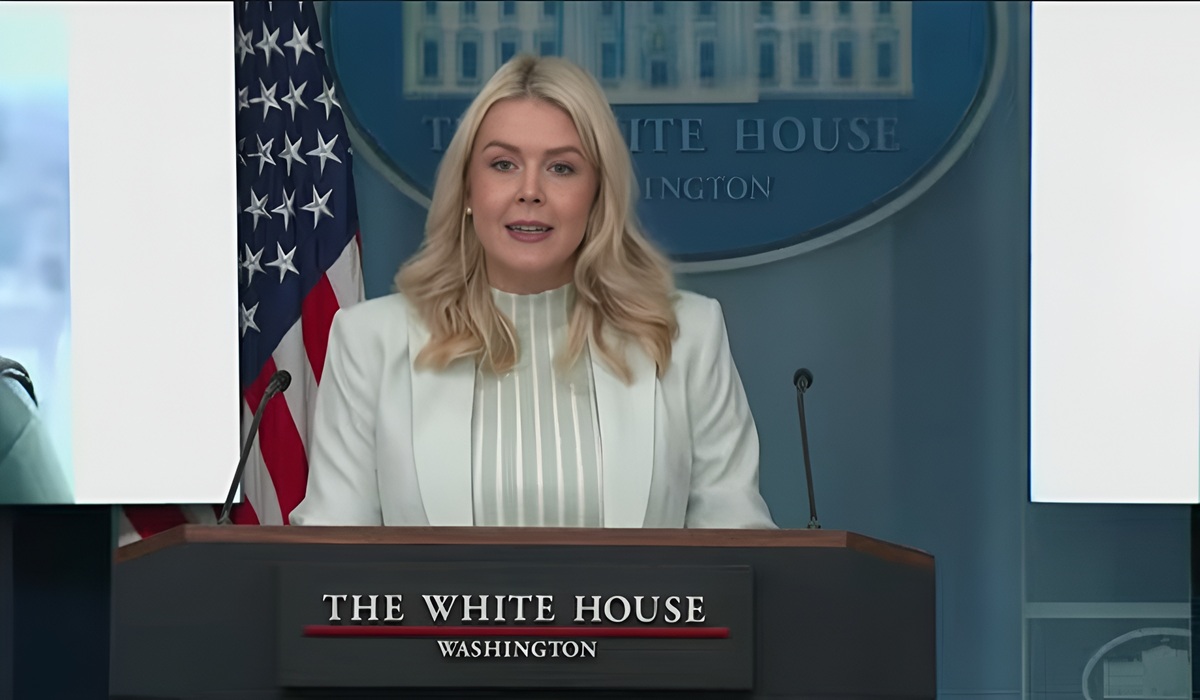
Inside the United States, the fractures are becoming harder to contain. Several senior figures within Trump’s own orbit have begun to distance themselves, not through dramatic resignations, but through silence and selective engagement. There have been fewer public appearances alongside the president, fewer joint statements, and a noticeable reduction in coordinated messaging. Political allies who once defended every statement are now choosing their words more carefully, often redirecting questions rather than reinforcing his claims.
Financial markets are also beginning to reflect this uncertainty. While there has not been a full-scale panic, volatility has increased in sectors tied to defense, energy, and international trade. Oil prices have reacted sharply to conflicting signals about the stability of supply routes, particularly as tensions continue to escalate in critical regions. Investors are not just reacting to events, they are reacting to unpredictability, and that distinction matters.
Perhaps most telling is the shift in public discourse. Conversations that were once dismissed as partisan attacks are now being raised in more neutral, institutional settings. Questions about leadership capacity, decision-making processes, and the role of advisors are no longer confined to opposition voices. They are being asked by analysts, former officials, and even some within the broader conservative landscape who are beginning to acknowledge that the current trajectory carries real risk.
This is not simply a moment of political controversy. It is a convergence of events that is testing the limits of how much instability the system can absorb. The presidency has always carried weight beyond the individual occupying the office, but when the tone, messaging, and decision-making appear increasingly erratic, that weight becomes harder to manage. The fallout is no longer theoretical. It is unfolding in real time, shaping alliances, influencing markets, and raising fundamental questions about what comes next.
About The Author