A Forced Landing and a Warning Shot: What the Burkina Faso–Nigeria Incident Signals for West Africa
- Xuemei Pal
- Africa
- Trending News
- December 12, 2025
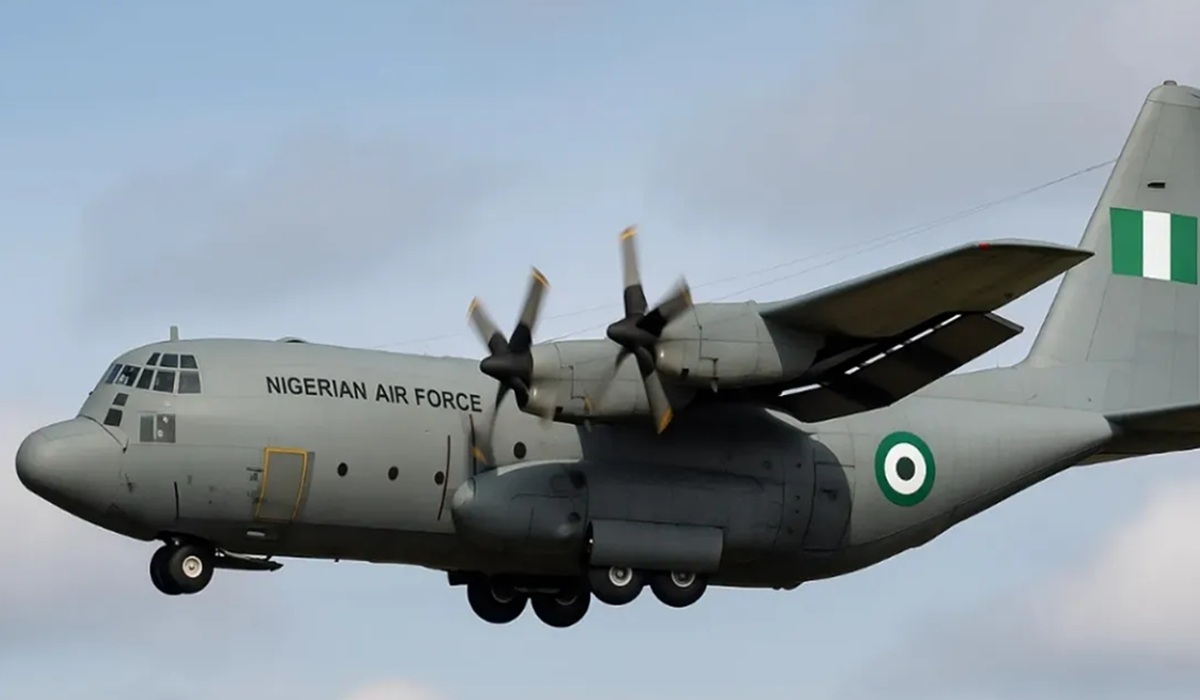
Tensions in West Africa intensified after Burkina Faso’s air force compelled a Nigerian military aircraft to land, warning that it would otherwise be shot down for violating national airspace. The aircraft, identified by Burkinabè authorities as a Nigerian Sea 30 gunship, entered Burkina Faso’s airspace without authorization, prompting an immediate response. Nigerian officials later described the incident as the result of a technical issue, but Burkina Faso rejected that explanation, stating the aircraft’s presence posed a potential security risk.
The incident unfolded just hours after Nigerian forces carried out air operations in neighboring Benin at the request of the Beninese government. Those strikes were aimed at countering militant threats and preventing destabilization near Benin’s northern border. Benin is a member of ECOWAS, the Economic Community of West African States, and Nigeria has long played a leading role in the organization’s security initiatives. The proximity of the Benin operation to the airspace violation added to concerns in Ouagadougou about the aircraft’s intent.
Burkina Faso’s response was swift and direct. Military officials stated that any unauthorized aircraft entering national airspace would be treated as a serious breach, particularly given the region’s heightened security environment. The order to land or face being shot down was framed as a defensive measure rather than an act of aggression. The aircraft complied, avoiding a potentially dangerous escalation.
Nigeria’s explanation that the aircraft was forced down due to mechanical trouble was met with skepticism by Burkinabè authorities. From their perspective, the flight path and timing were inconsistent with an emergency situation. Officials suggested the aircraft was more likely conducting reconnaissance or operating as part of a broader military posture in the region. Nigeria has denied that characterization, but the disagreement reflects deeper mistrust between Sahel states and regional powers.
At the heart of these tensions is the evolving role of ECOWAS. Originally established to promote economic cooperation and regional stability, the organization has expanded its mandate over time to include political enforcement and, in some cases, military intervention. That shift has drawn criticism from several Sahel countries, which argue that ECOWAS has become increasingly aligned with Western strategic priorities rather than regional consensus.
Burkina Faso, along with Mali and Niger, has distanced itself from ECOWAS following disputes over sanctions and political pressure after military takeovers. These governments contend that punitive measures have failed to restore stability while placing disproportionate strain on civilian populations. In response, they have pursued alternative regional cooperation frameworks emphasizing sovereignty and non-interference.
This broader context helps explain why the Nigerian aircraft incident escalated quickly. Nigeria’s role as the region’s largest military power and a frequent leader of ECOWAS-backed initiatives means its actions are closely scrutinized. For Sahel governments wary of external influence, Nigerian military movements are often viewed as extensions of a wider regional agenda rather than isolated national decisions.
Developments in Benin further complicate the picture. Had an attempted overthrow of the Beninese government succeeded, it is widely believed the country would have withdrawn from ECOWAS and aligned more closely with Sahel-led alternatives. That possibility has heightened sensitivities around any cross-border military activity in the area, particularly involving states with established regional influence.
Diplomatically, restraint has prevailed since the incident. Burkina Faso has characterized its actions as lawful and defensive, while Nigeria has avoided escalating rhetoric. That caution suggests an awareness on both sides of how quickly such encounters can spiral. Still, the underlying political and security disagreements remain unresolved.
The forced landing serves as a reminder of how fragile regional security has become. Incidents that might once have been resolved quietly through diplomatic channels now risk rapid militarization. As regional alliances shift and trust erodes, the margin for miscalculation continues to shrink.
Ultimately, the incident underscores a region in transition. West African states are reassessing long-standing security arrangements and demanding greater respect for sovereignty. Whether institutions like ECOWAS can adapt to these realities will play a critical role in determining whether cooperation or confrontation defines the next phase of regional relations.
About The Author