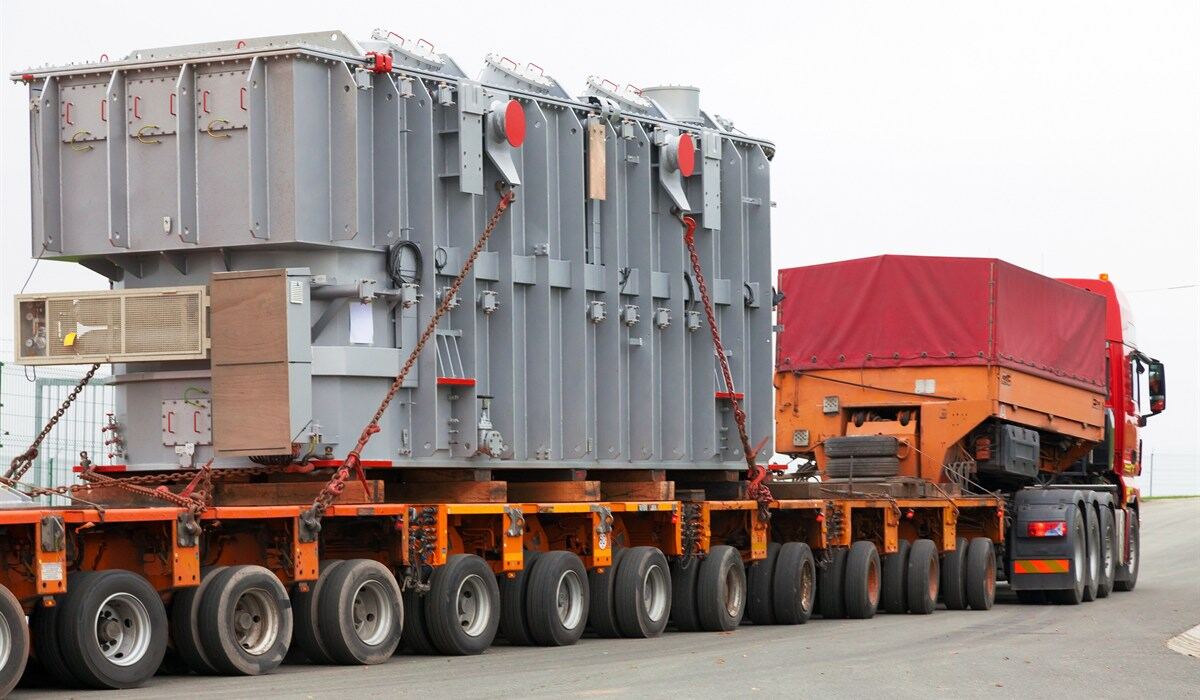
When your business needs to transport heavy machinery, staying on schedule can become the immediate priority. Yet one mistake during the journey could leave you dealing with damaged equipment and unexpected downtime. The challenge isn’t simply getting machinery to its destination; you also need confidence that it will arrive ready for its intended use. Understanding why machinery transport safety matters to businesses can help you protect valuable assets without creating unnecessary complications.
Industrial machinery often represents a significant investment, particularly when your company relies on specialized equipment for daily production. Unlike ordinary freight, heavy machines may have unusual dimensions or components that require careful handling. You can’t assume that equipment will tolerate typical shipping conditions simply because it appears durable.
You also need to consider the consequences of damage beyond repair costs. If a critical machine arrives with a mechanical problem, your business may struggle to resume production as planned. Replacing a specialized component could take longer than expected, potentially extending the interruption well beyond the original relocation schedule.
Understanding the machine itself is the first step toward reducing risk. Two pieces of equipment with similar dimensions may require different handling because their weight distribution differs. A machine with a high center of gravity, for example, may present stability concerns that a lower, more evenly balanced load doesn’t.
You should confirm the equipment’s weight and lifting requirements before loading begins. Manufacturer documentation can provide useful information about approved lifting points and handling restrictions. If those details don’t reflect the machine’s current configuration, qualified personnel should resolve any uncertainties rather than rely on assumptions.
A machine might operate normally but have delicate internal parts that can’t tolerate certain movements during transportation. Identifying those limitations gives the team a clearer understanding of the precautions the shipment requires.
Once you understand the machine’s handling requirements, the next concern is keeping it stable throughout the journey. Road transportation exposes cargo to forces that differ from those it experiences while stationary. Braking can shift weight forward, while turns create lateral forces that affect the load.
Proper securement helps prevent unwanted movement under these conditions. However, you shouldn’t assume that applying greater tension automatically creates a safer arrangement. Excessive pressure on unsuitable attachment points could damage the machine, while poorly positioned restraints may fail to control movement effectively.
The goal is to match the securement approach to the equipment’s characteristics and the forces it may encounter. Properly positioned restraints play an important role in avoiding damage during equipment transport, particularly when a machine has sensitive components or an uneven weight distribution. These considerations become especially important when transporting equipment that wasn’t designed for frequent relocation.
You also need to consider whether the planned route can accommodate the shipment. An oversized machine may create clearance challenges that don’t affect ordinary freight. A road that accommodates the transport vehicle under normal circumstances might become unsuitable once crews load particularly tall or wide equipment. You should account for the shipment’s full dimensions rather than relying on the machine’s measurements alone.
Route planning may also involve restrictions on vehicle weight or permitted travel. Depending on the shipment and jurisdiction, the carrier may need special permits or an approved route. Confirming these requirements early helps prevent delays caused by restrictions that the original transportation plan overlooked.
The destination deserves similar attention. A truck might reach the property without difficulty, only for the unloading crew to encounter an entrance that doesn’t accommodate the machinery. Confirming the available access and unloading space ahead of delivery can help prevent that situation.
Beyond physical conditions, transportation safety depends heavily on the people handling the equipment. Heavy machinery can become unstable when crews use unsuitable lifting arrangements or misunderstand its balance. Experienced personnel recognize that a successful lift requires more than equipment capable of supporting the machine’s weight.
You should expect the transportation team to understand the handling requirements and communicate any limitations that could affect the work. Clear responsibilities matter because loading and unloading require coordinated actions. When workers don’t share the same understanding of the plan, one person’s decision could interfere with another person’s task.
Communication becomes particularly important when multiple parties participate in a relocation. Your facility personnel may prepare the machine, while a separate team handles transportation. Without a clear handoff, the people responsible for loading could miss important information about the equipment.
You can address these concerns through a planning conversation that establishes expectations before work begins. Rather than assuming everyone understands the assignment, confirm the following:
- Equipment condition: Has anyone documented existing damage or handling restrictions?
- Loading arrangements: Does the team have a suitable method for lifting the machine?
- Transport requirements: Can the vehicle accommodate the equipment’s weight and dimensions?
- Delivery access: Can the receiving location support the planned unloading operation?
Businesses often arrange machinery relocations around maintenance periods or temporary production shutdowns. When the available window is narrow, unexpected complications can create pressure to finish quickly.
That urgency shouldn’t override the conditions necessary for safe handling. If a machine requires additional preparation, rushing the loading process could introduce problems that take much longer to resolve. A realistic schedule should reflect the work involved rather than assume that every stage will proceed without complications.
Identifying which operations depend on the equipment’s arrival can also help you prepare for potential disruptions. If production can’t resume until the machine reaches its destination, you may need additional flexibility in your schedule.
Financial responsibility is another consideration that deserves attention. Businesses sometimes focus on the quoted shipping cost without fully considering their exposure if something goes wrong. Depending on the circumstances, repairing damaged machinery could cost considerably more than the transportation itself.
Insurance arrangements also warrant careful review because coverage terms can vary. You should understand the applicable policy conditions and contractual responsibilities before releasing valuable machinery for shipment. Don’t assume that every type of damage automatically qualifies for coverage.
Recording the machine’s condition before departure gives everyone a reference when they inspect it after delivery. If concerns arise, accurate records can help clarify what changed during transportation.
Ultimately, machinery transport safety matters to businesses because a relocation can influence decisions far beyond the shipping department. The next time your business prepares to relocate machinery, give the transportation plan the same scrutiny you’d apply to any significant operational decision. Ask the people involved to explain their approach and resolve outstanding questions before committing to a schedule. That conversation could make the difference between a manageable transition and an avoidable setback.
About The Author