Venezuela Faces Mounting Humanitarian Crisis as Aid Agencies Call for Urgent International Support After Devastating Earthquakes
- Naomi Dela Cruz
- Latin
- Breaking News
- June 30, 2026
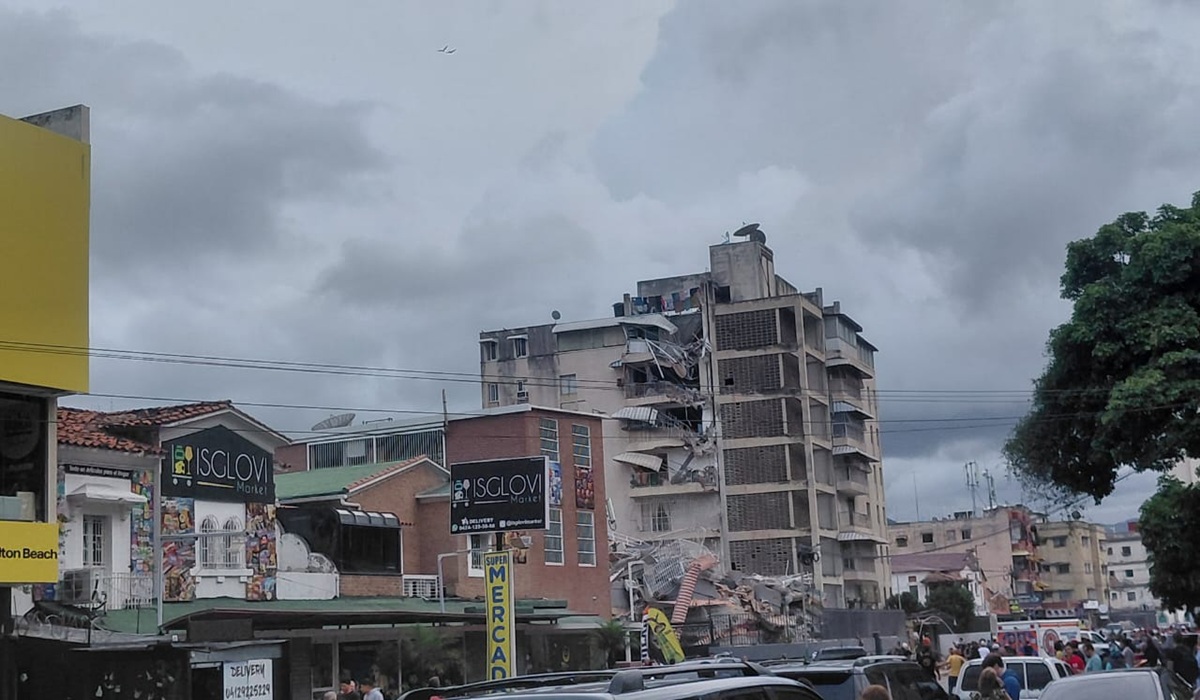
The humanitarian crisis unfolding across Venezuela is entering a critical new phase as international relief organizations warn that thousands of survivors remain without adequate shelter, sanitation, or medical support following the powerful earthquakes that struck the country on June 24. Aid agencies say the coming days will be decisive in preventing a second wave of suffering caused not by collapsing buildings, but by disease, displacement, and dwindling humanitarian resources.
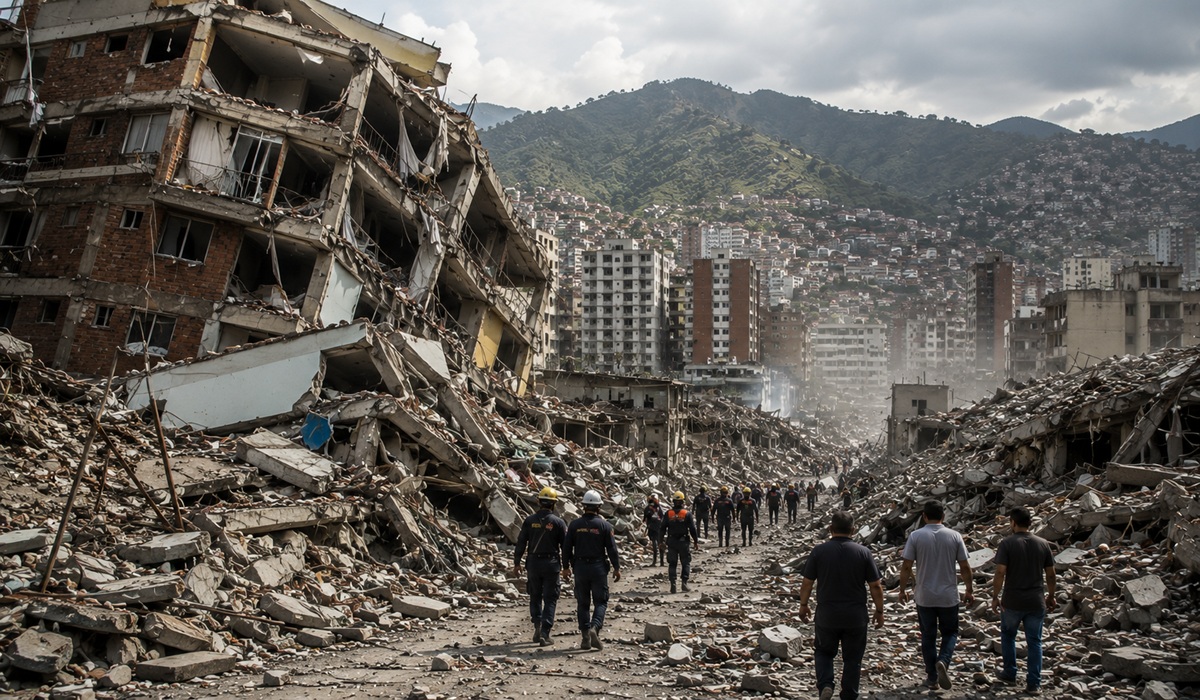
According to humanitarian officials, two powerful earthquakes measuring 7.2 and 7.5 on the Richter scale struck within minutes of one another, causing widespread destruction across northern Venezuela. While the epicentre was located in Yaracuy state, some of the most severe damage occurred in Caracas and the coastal state of La Guaira, where homes, hospitals, schools, and other essential infrastructure suffered extensive damage. Tremors were felt far beyond Venezuela’s borders, reaching neighbouring Colombia.
Authorities report that at least 1,700 people have lost their lives while more than 5,000 others have been hospitalized with injuries sustained during the disaster. More than 12,700 people have been displaced from their homes, with officials warning those figures are expected to increase as rescue crews continue searching damaged communities and assessing remote areas.
For many families, survival has depended not on formal emergency systems but on the extraordinary compassion shown by fellow Venezuelans. Communities have stepped forward to help neighbours despite facing economic hardship themselves. Makeshift shelters have appeared in schools, public parks, and open spaces where thousands now sleep in tents or temporary accommodations while uncertain about when—or whether—they will be able to return home.
Aid workers describe remarkable scenes of resilience throughout the affected regions. Medical professionals have transformed classrooms into temporary maternity wards to continue delivering essential care. Teenagers have organized games and activities to help distract traumatized children from the devastation surrounding them. Taxi drivers have volunteered their services, transporting displaced families at no charge as communities work together to overcome overwhelming circumstances.
Despite those inspiring examples of solidarity, humanitarian organizations warn that volunteer efforts alone cannot sustain the enormous needs now confronting the country. Temporary shelters remain overcrowded, offering little protection from the elements while lacking many of the basic necessities required for extended stays. Relief officials say finding longer-term housing solutions has become one of the most urgent priorities.
Public health experts are also increasingly concerned about deteriorating sanitation conditions. Thousands of displaced residents remain without reliable access to showers, toilets, clean water, soap, and other hygiene supplies. Aid workers caution that these shortages could quickly lead to outbreaks of preventable illnesses if additional assistance does not arrive soon.
The needs extend well beyond physical recovery. Children who have survived the earthquakes are now coping with significant emotional trauma while also facing major disruptions to their education. With many schools damaged or serving as emergency shelters, normal classroom instruction is expected to remain suspended for several weeks in many communities.
Humanitarian organizations are expanding programs to provide psychological support for young people alongside emergency education initiatives designed to maintain learning while helping children regain a sense of stability. Emergency shelter assistance is also being increased for families whose homes were destroyed or declared unsafe.
The crisis comes at a time when Venezuela was already facing significant humanitarian challenges. Before the earthquakes struck, nearly 7.9 million people—approximately 28 per cent of the country’s population—were already estimated to require humanitarian assistance. Years of economic instability, migration pressures, and limited public resources had already strained the country’s ability to respond to emergencies before this latest disaster.
Funding shortages continue to hamper relief efforts. The current humanitarian response plan for Venezuela has received only about 25.7 per cent of the more than US$632 million required to meet identified needs. Previous annual response plans were similarly underfunded, limiting humanitarian organizations’ ability to build stronger emergency preparedness and expand assistance programs before disaster struck.
The destruction has also severely affected essential infrastructure. According to humanitarian assessments, more than 2,500 buildings have sustained damage, including 38 hospitals and health-care facilities that are now operating under significant pressure or have been partially disabled. Restoring those services will be essential as communities begin the long process of recovery.
The Norwegian Refugee Council, which has operated in Venezuela since 2005, says it is working alongside seven local partners to expand emergency assistance. The organization has deployed additional efforts focused on emergency shelter, education, legal guidance, protection services, and water and sanitation support. Last year alone, it reached more than 71,000 people across four Venezuelan border states.
Relief agencies stress that while the generosity shown by ordinary Venezuelans has helped countless families survive the immediate aftermath, rebuilding lives will require sustained international support. They warn that without significantly increased humanitarian funding, many survivors risk remaining in unsafe conditions long after global attention shifts elsewhere.
As rescue operations continue and damage assessments expand, humanitarian organizations are urging governments and international donors to act quickly. For thousands of families who have already lost everything, aid workers say the greatest danger now may be allowing this tragedy to become another forgotten crisis.
About The Author