Ukraine’s Recovery Effort Faces a Critical Challenge: Ensuring No One Is Left Behind
- Ingrid Jones
- Europe
- Tiger's Eye Advisory Group - Trending News
- June 25, 2026
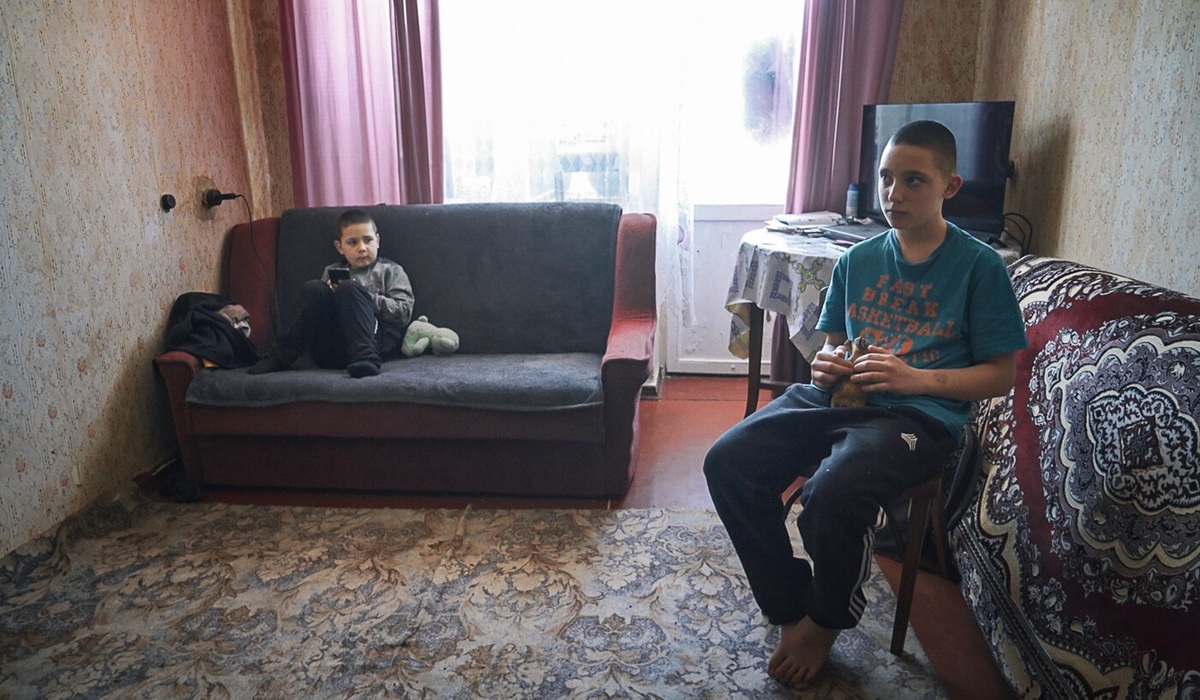
Image credit, NRC
As governments, international donors, private sector leaders, and civil society organizations gather in Poland for the 2026 Ukraine Recovery Conference, humanitarian groups are urging decision-makers to ensure that Ukraine’s reconstruction effort remains focused not only on rebuilding infrastructure but also on rebuilding lives.
More than four years after the escalation of Russia’s full-scale invasion, Ukraine continues to face one of the largest displacement crises in Europe. Millions of Ukrainians remain uprooted from their homes, while countless others have returned to communities still struggling with the consequences of war. Although significant attention has been placed on reconstruction projects and long-term economic recovery, aid organizations warn that the human dimension of recovery must remain at the centre of planning.
According to humanitarian organizations working on the ground, more than nine million Ukrainians remain displaced either within the country or abroad. At the same time, millions of returnees are attempting to rebuild their lives in areas where housing, public services, employment opportunities, and community supports remain under severe pressure.
Housing continues to be one of the most significant obstacles facing displaced families and those returning home. Damaged buildings, limited housing availability, rising rental costs, and complex compensation processes have left many Ukrainians struggling to secure safe and stable accommodations. In eastern Ukraine, recent assessments indicate that nearly half of returning residents have been unable to find suitable long-term housing.
Humanitarian organizations argue that access to housing is closely connected to broader recovery outcomes. Without stable accommodation, individuals and families often face additional barriers to finding employment, accessing healthcare, enrolling children in school, and participating in community life.
Marit Glad, Country Director for the Norwegian Refugee Council (NRC) in Ukraine, emphasized that recovery efforts must extend beyond physical reconstruction.
“Recovery must be about more than rebuilding infrastructure; it must be about helping people recover,” Glad said. “When people have access to housing, services, and livelihoods, they are better able to support their families, participate in the life of their communities and contribute to Ukraine’s future.”
The challenge facing Ukraine is immense. Estimates suggest the total cost of reconstruction and recovery could approach US$588 billion over the next decade. While international assistance has played a vital role in supporting Ukraine’s government and economy throughout the conflict, concerns remain regarding how recovery funding reaches local communities and municipalities that are often responsible for delivering essential services.
Local governments have found themselves on the front lines of supporting displaced populations while simultaneously managing wartime pressures. Many municipalities have been tasked with accommodating newcomers, maintaining public services, repairing damaged infrastructure, and planning for future development despite limited financial and administrative resources.
Organizations participating in the recovery discussion argue that local authorities often possess the most direct understanding of community needs and should play a larger role in shaping recovery priorities. They also point to the importance of strengthening local participation mechanisms that allow displaced people and returnees to have a voice in decisions affecting their futures.
One such mechanism is Ukraine’s network of Internally Displaced Persons (IDP) Councils. These advisory bodies work with local governments to identify community needs, represent displaced residents, and help shape policy decisions. Since their creation, more than 800 councils have been established across Ukraine, covering approximately two-thirds of the country’s municipalities.
Supporters of the model argue that these councils provide a practical way to ensure recovery planning reflects real-world experiences rather than top-down assumptions. However, many councils continue to operate with limited funding and resources.
Valeriia Vershynina, Executive Director of CF Stabilization Support Services (SSS), welcomed Ukraine’s recently approved strategy for internally displaced persons but noted that successful implementation will depend on meaningful community participation.
“The approval of Ukraine’s new IDP Strategy is an important step, but implementation will depend on whether local participation mechanisms are fully supported,” Vershynina said. “IDP Councils can help ensure that recovery planning reflects the real needs of displaced people, returnees and host communities.”
Research conducted among returnees in eastern Ukraine highlights the complexity of the recovery challenge. Many individuals cited emotional connections to their homes and communities as key reasons for returning despite ongoing hardships. Others pointed to the high cost of living in displacement, limited employment opportunities elsewhere, or reductions in humanitarian assistance.
At the same time, surveys suggest that many returnees continue to face uncertainty regarding housing security. While a large majority identified returning to their own homes as the greatest benefit of returning, a substantial portion remain dependent on relatives, friends, or informal rental arrangements that offer little long-term stability.
Another concern raised by humanitarian organizations is the level of public participation in recovery planning. Recent assessments found that many returnees had either never participated in local recovery consultations or were unaware such opportunities existed. Advocates argue that broader community engagement will be necessary to ensure recovery efforts address local realities and build public trust.
Oleksandra Basan, Head of the Pidhorodne IDP Council in Ukraine’s Dnipropetrovsk region, said local advisory bodies can serve as an important bridge between communities and decision-makers.
“IDP Councils work every day at the intersection of urgent humanitarian needs, durable solutions and recovery,” Basan said. “To play this role effectively, they need systematic support, clear participation in recovery planning, and resources that allow them to turn community needs into practical solutions.”
The urgency of recovery planning is underscored by the continuing humanitarian toll of the conflict. Civilian casualties increased significantly in 2025 compared to the previous year, reaching their highest level since 2022. Ongoing attacks continue to damage homes, schools, hospitals, and public infrastructure, creating new recovery needs even as reconstruction efforts advance elsewhere.
Against this backdrop, participants at the Ukraine Recovery Conference face the difficult task of balancing immediate humanitarian needs with long-term development goals. While major infrastructure projects and economic investments will be critical to Ukraine’s future, aid organizations caution that recovery cannot be judged solely by the number of roads repaired or buildings reconstructed.
A successful recovery, they argue, will ultimately be measured by whether displaced families can return home safely, whether communities can provide opportunities for residents to rebuild their lives, and whether local institutions are empowered to support those most affected by the war.
As international partners gather in Gdańsk, the message from many humanitarian and community organizations is clear: Ukraine’s recovery must be people-centred. The reconstruction of buildings and infrastructure remains essential, but ensuring that displaced people, returnees, and host communities have a meaningful role in shaping the country’s future may prove equally important to achieving lasting stability and resilience.
For millions of Ukrainians still living with the consequences of displacement, recovery is not simply about rebuilding what was lost. It is about creating the conditions that allow families, communities, and institutions to move forward together after years of uncertainty and conflict.
About The Author