Truce Over Turmoil: A Defining Moment for Peace in US–Iran Standoff
- Naveed Aman Khan
- U.S.A
- April 8, 2026
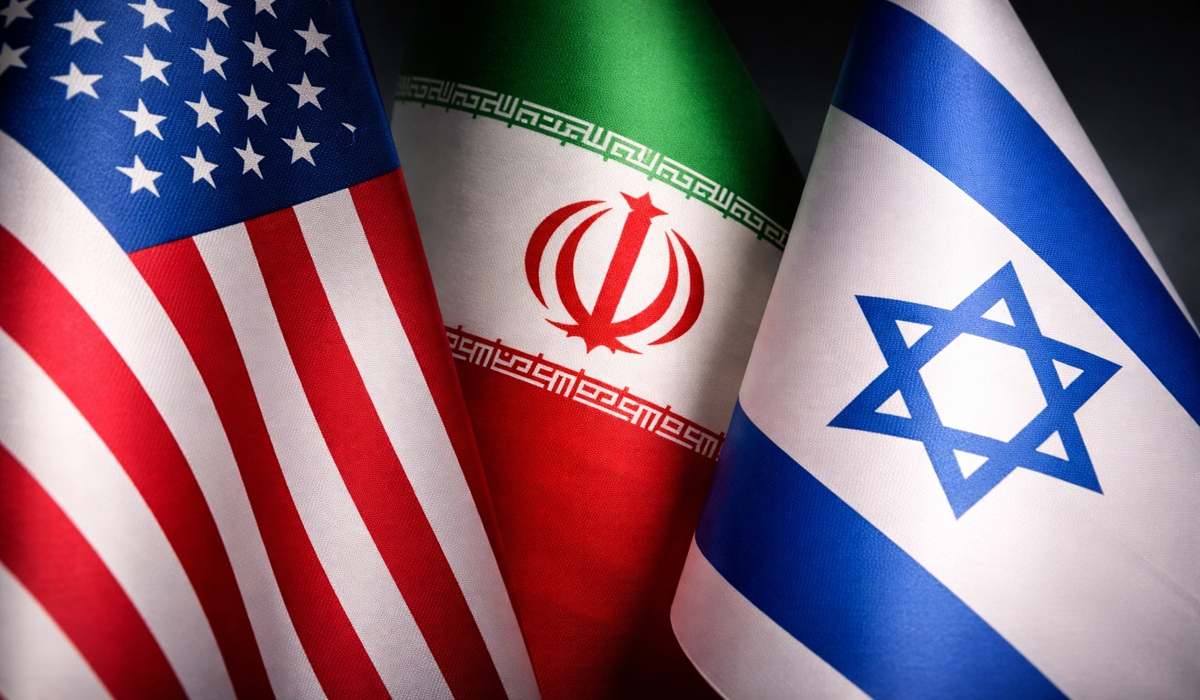
In a world increasingly defined by volatility and brinkmanship, the announcement of a truce between the US and Iran marks a rare and welcome departure from the trajectory of escalation. After weeks of heightened tensions, aggressive rhetoric, and fears of a broader regional conflagration, the cessation of hostilities signals that, at least for now, reason has prevailed over recklessness. This development is not merely a pause in conflict—it is a critical inflection point that underscores the enduring value of diplomacy in an era otherwise dominated by power politics.
The road to this truce was fraught with danger. The prospect of direct confrontation between Washington and Tehran carried implications far beyond the two nations. The Middle East, already burdened by decades of instability, stood on the precipice of another devastating war. Global markets trembled, energy security was threatened, and the specter of a wider international crisis loomed large. That such a scenario has been avoided is, without exaggeration, a victory for peace.
At the center of this diplomatic breakthrough lies a complex interplay of international actors. Among them, Pakistan’s role deserves particular attention. Under the leadership of Shehbaz Sharif, Islamabad pursued a quiet yet persistent diplomatic engagement aimed at de-escalation. Pakistan’s strategic position, coupled with its longstanding relationships across the Muslim world and with global powers, enabled it to act as a bridge in a deeply polarized environment. Complementing these efforts was the steady hand of Field Marshal Asim Munir, whose institutional influence and backchannel communications helped reinforce the urgency of restraint.
Equally significant was the role played by China, whose emergence as a proactive diplomatic actor continues to reshape global power dynamics. President Xi Jinping demonstrated a calculated commitment to stability, leveraging Beijing’s economic and political clout to encourage both Washington and Tehran toward compromise. Meanwhile, China’s seasoned Foreign Minister Wang Yi worked tirelessly behind the scenes, orchestrating dialogues and offering frameworks that allowed both sides to step back without appearing to capitulate. This dual-track approach—firm yet flexible—highlighted China’s evolving identity as not just an economic powerhouse but a credible mediator in global conflicts.
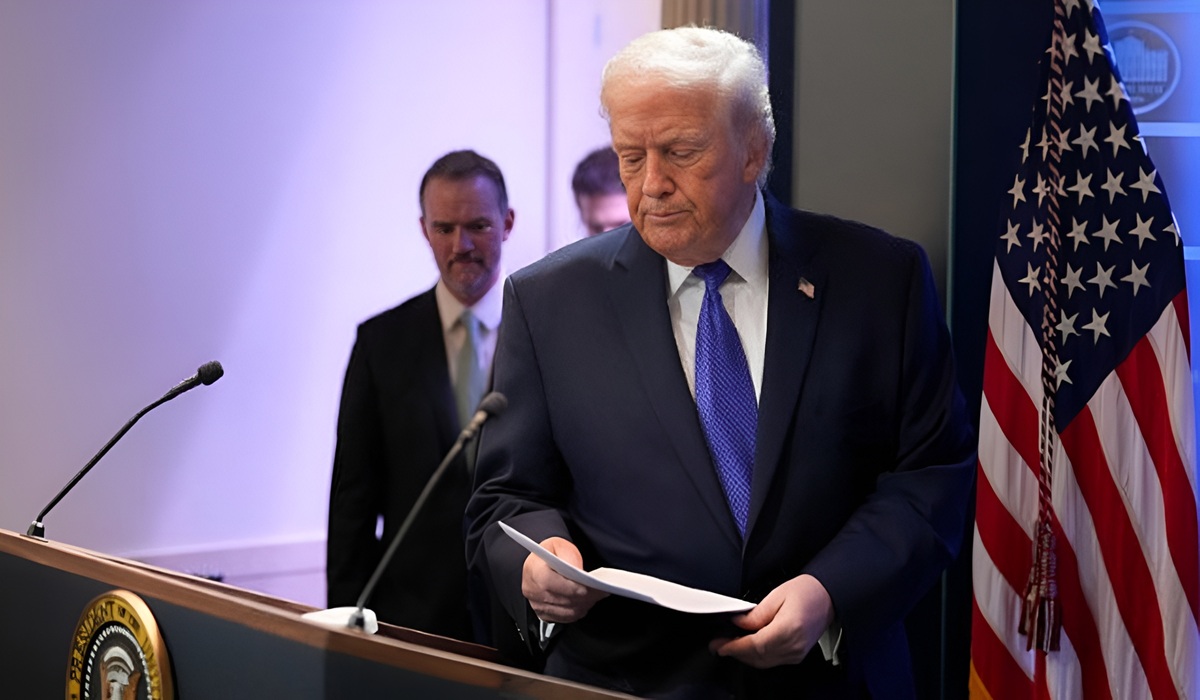
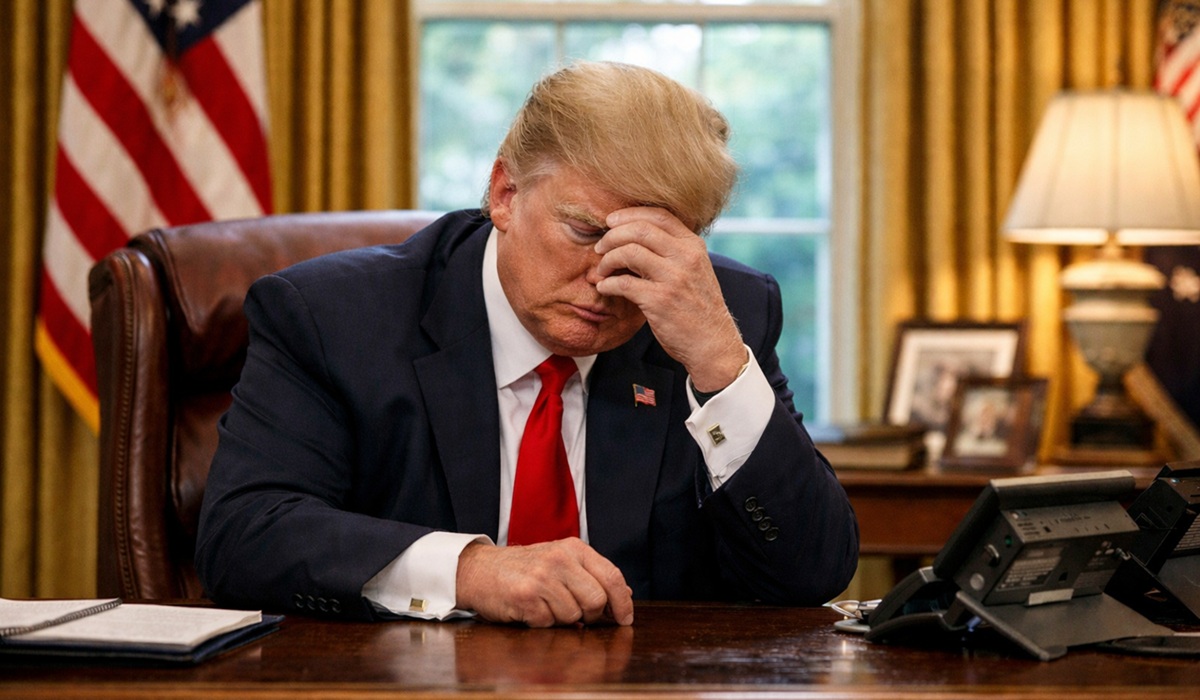
For the United States, the truce presents both relief and reckoning. President Donald Trump, known for his confrontational foreign policy style, now faces the challenge of reframing the narrative. While critics may interpret the outcome as a retreat, it is equally plausible to view it as a pragmatic recalibration. The avoidance of war—particularly one with unpredictable and potentially catastrophic consequences—should not be dismissed as weakness. Rather, it reflects an acknowledgment of the limits of military power in achieving sustainable geopolitical outcomes.
Nonetheless, the domestic and international political fallout for Trump is inevitable. Opponents, both within the United States and abroad, are likely to portray the truce as a sign of strategic miscalculation. Comparisons to Mikhail Gorbachev—a leader associated with systemic transformation and eventual dissolution—may be invoked to question the long-term direction of American leadership. While such analogies may be exaggerated, they underscore a broader concern: that inconsistent policy and overreliance on coercion can erode credibility rather than reinforce it.
Iran, on the other hand, emerges from this episode with a strengthened regional standing. By withstanding pressure and avoiding direct confrontation, Tehran has reinforced its image as a resilient actor capable of navigating complex geopolitical challenges. This necessarily translates into Iran’s outright victory. It does signify a shift in perception—one that may embolden the countryis influence across the Middle East.
The role of other regional players, particularly Israel and India, cannot be overlooked. Both nations have historically taken hardline positions on Iran, and there remains a risk that elements within their political establishments may seek to undermine the fragile peace. Any attempt to provoke renewed confrontation would not only jeopardize the current truce but also risk igniting a broader conflict with far-reaching consequences. Strategic restraint, therefore, is not merely advisable—it is imperative.
It is also worth noting the broader implications for global governance. The success of this truce challenges the notion that unilateral action and military dominance are the primary tools of international relations. Instead, it reaffirms the relevance of multilateral engagement, dialogue, and compromise. In this context, the collaborative efforts of Pakistan and China serve as a compelling example of how middle and emerging powers can contribute meaningfully to conflict resolution.
However, the durability of this peace remains uncertain. Truces, by their very nature, are fragile. They require sustained commitment, mutual trust, and a willingness to address underlying grievances. Without these elements, the current calm could prove temporary, giving way to renewed tensions. The international community must therefore remain vigilant, supporting mechanisms that reinforce stability and discourage escalation.
The US–Iran truce stands as a testament to the power of diplomacy in averting disaster. It is a moment that invites reflection—not only on the costs of conflict but also on the responsibilities of leadership. For President Trump, it is an opportunity to demonstrate statesmanship by consolidating peace rather than courting confrontation. For Iran, it is a chance to translate resilience into constructive engagement. And for the broader international community, it is a reminder that even in the most challenging circumstances, dialogue remains the most effective path forward. Peace has, for now, triumphed over war. The challenge ahead lies in ensuring that this triumph is not fleeting, but foundational.
About The Author