F-15 Down Over Iran: Missing Pilot Deepens Rift Between Reports and Official Denials
- TDS News
- Breaking News
- April 3, 2026
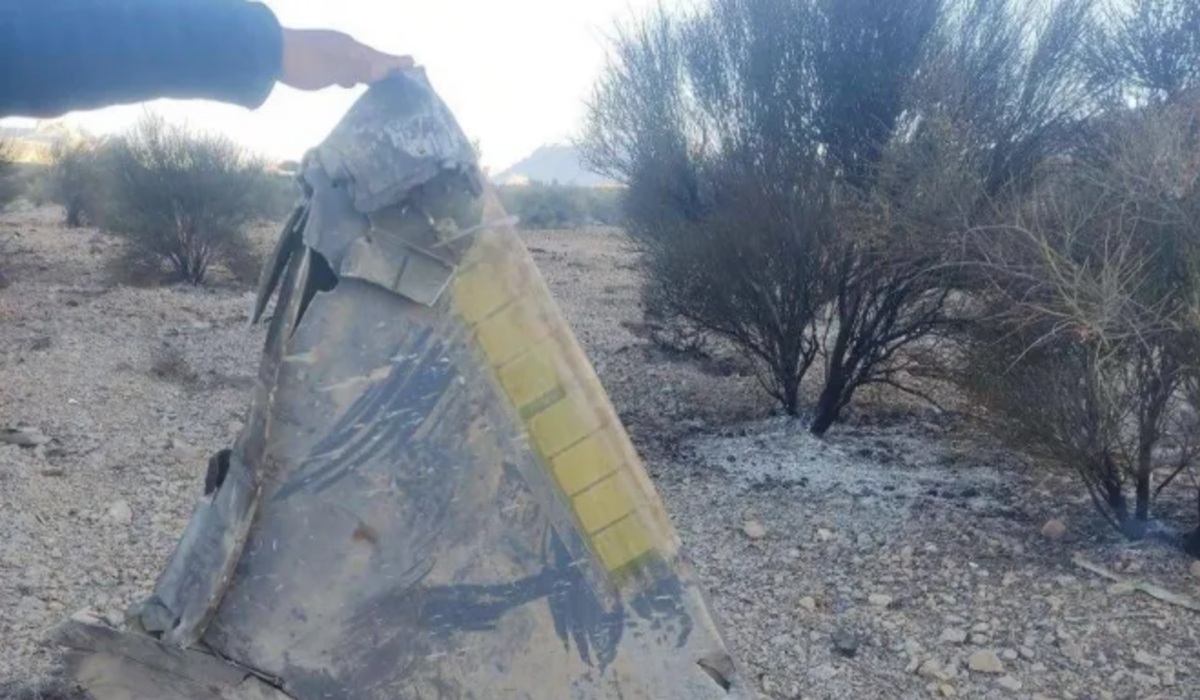
Reports emerging from multiple channels are intensifying scrutiny over a developing situation involving a U.S. fighter jet reportedly downed inside Iranian territory, even as official statements from the Pentagon continue to reject those claims. According to regional sources and officials speaking outside formal briefings, an American F-15 has allegedly been shot down, with the pilot now considered missing following what witnesses describe as a mid-air ejection.
The claims have not been acknowledged by U.S. defense leadership, who maintain that no such loss has occurred. However, the growing presence of American aerial activity in and around the reported area is raising questions that are becoming harder to dismiss. Observers on the ground, along with regional monitoring groups, have pointed to the movement of multiple aircraft typically associated with search-and-rescue operations. These reportedly include Black Hawk helicopters, surveillance planes, and specialized recovery units operating under conditions that suggest urgency rather than routine patrol.
The contradiction between official denial and visible military movement is beginning to create a widening credibility gap. In situations like this, where information is fragmented and often filtered through competing narratives, the absence of confirmation can sometimes fuel more speculation than transparency would. For many watching closely, the scale and nature of the reported response suggest that something significant has occurred, regardless of how it is being publicly framed.
The F-15, long considered a cornerstone of U.S. air superiority, is not easily lost without consequence. Any confirmed downing would represent a serious escalation, both militarily and symbolically. It would signal not just a tactical event, but a shift in the operational environment where American aircraft are facing increasingly sophisticated threats. That context makes the silence, or outright denial, from official channels even more notable.
At the same time, it is important to recognize that wartime and near-conflict environments are often saturated with conflicting information. Governments, by nature, control narratives tightly in moments of uncertainty, particularly when personnel recovery is potentially underway. A missing pilot changes the equation entirely, transforming what could be a mechanical or isolated incident into a high-stakes rescue operation with international implications.
What is becoming clear is that the situation on the ground, or in this case in the air, is evolving faster than the public narrative surrounding it. Reports of an ejected pilot suggest a survivable event, at least initially, but the window for successful recovery narrows quickly in hostile territory. The presence of search aircraft indicates that efforts may already be underway, though without official confirmation, the full scope of those operations remains obscured.
The broader issue now extends beyond whether an aircraft was downed. It touches on the growing tension between observable reality and official communication. In an age where movements of military assets can be tracked, photographed, and shared in real time, maintaining a consistent narrative becomes increasingly difficult when it appears to diverge from what people can see unfolding.
For now, the situation remains unresolved in the public domain. The Pentagon’s position has not shifted, and no formal acknowledgment of a missing aircraft or pilot has been issued. Yet the volume of independent reports and the visible signs of heightened activity continue to build pressure for clarity.
As events continue to develop, the focus will inevitably turn to whether confirmation follows denial, and how long that gap can realistically be maintained. In conflicts defined as much by information as by action, the truth often emerges not in a single statement, but in the space between what is said and what can no longer be hidden.
About The Author