Senate Math Shifts: Democrats Say Two-Thirds Majority Secured as Republicans Cross Lines
- TDS News
- U.S.A
- April 1, 2026
By: Donovan Martin Sr, Editor in Chief
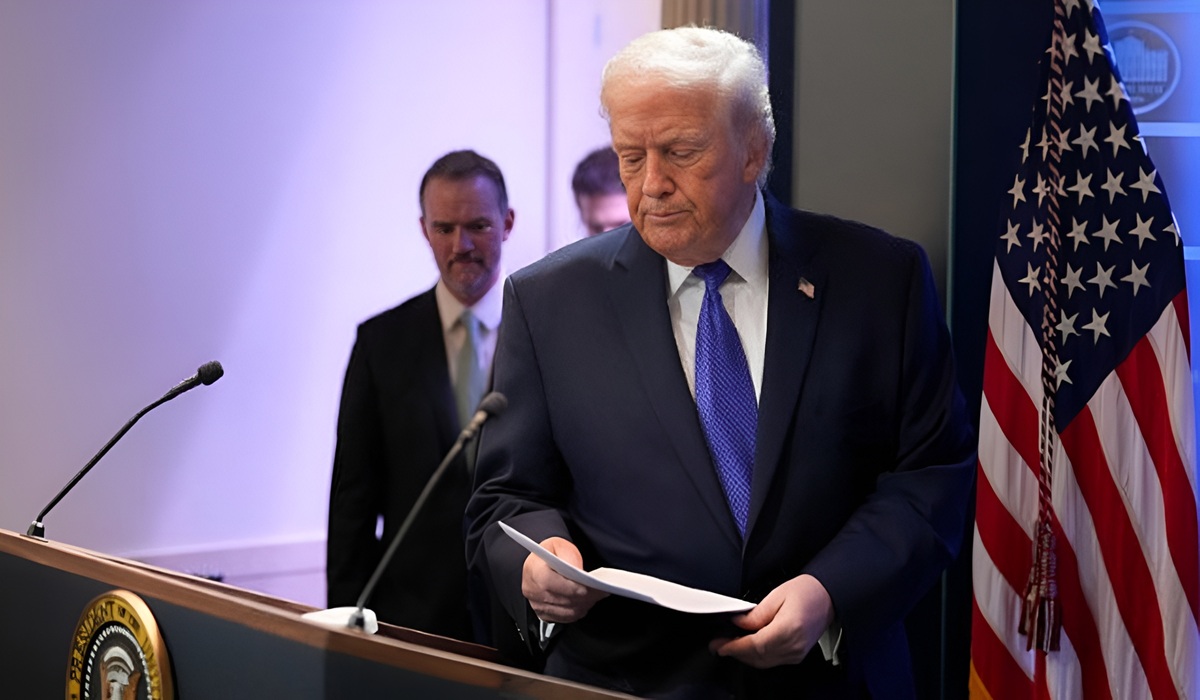
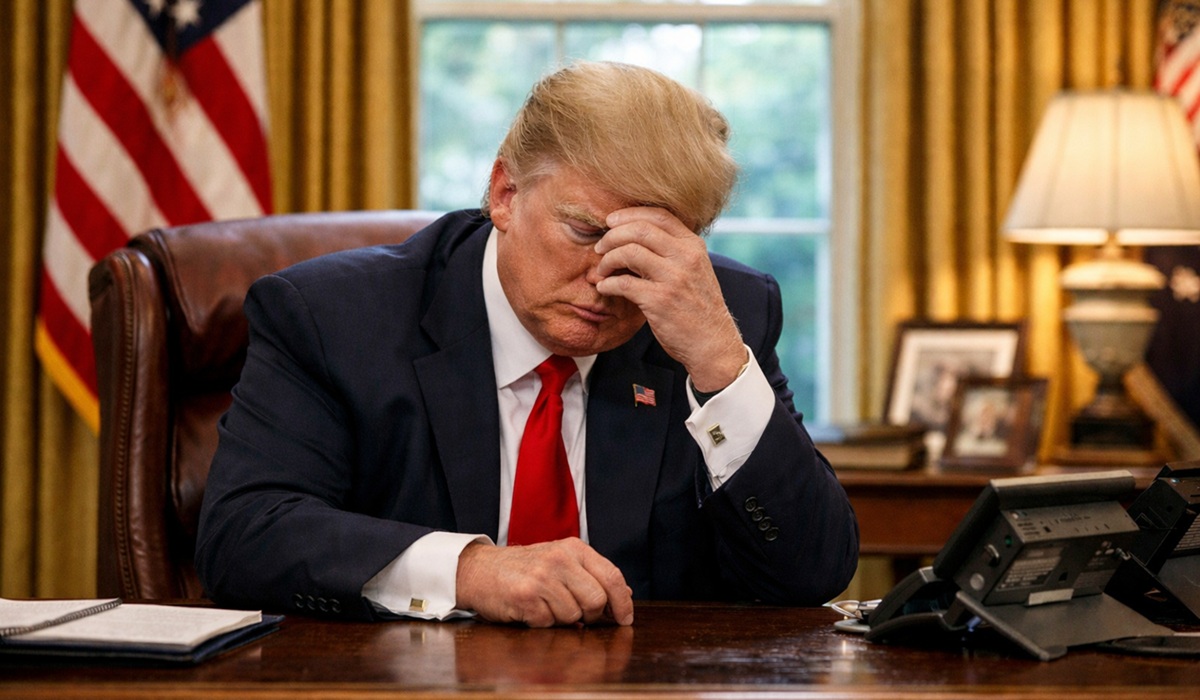
Senior lawmakers in Washington are moving toward what could become one of the most consequential political confrontations in modern American history, as Democratic leaders finalize draft articles of impeachment targeting President Donald Trump, according to multiple sources familiar with internal discussions.
Those sources indicate the documents are expected to be introduced as early as Monday, triggering a process that would move quickly from the House to the Senate, where the outcome will be determined by raw vote count and party fracture.
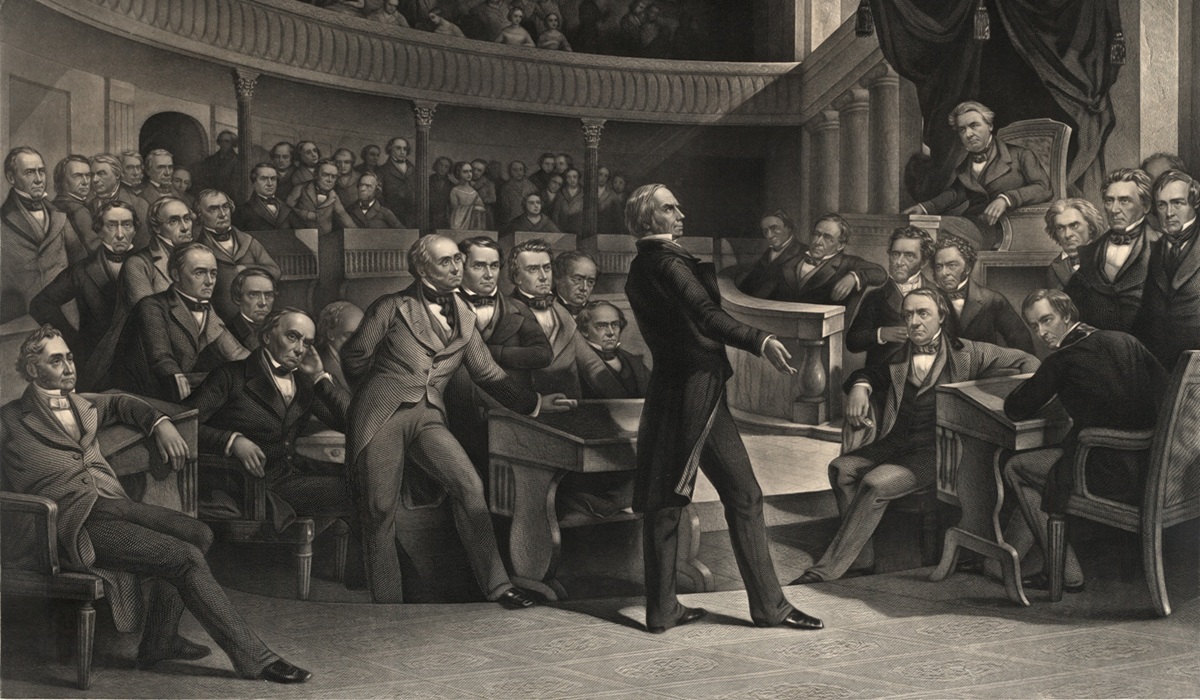
The numbers are clear and unforgiving. The United States Senate is composed of 100 members. Republicans currently hold 53 seats, while Democrats and allied independents control 47. To convict and remove a sitting president, the Constitution requires a two-thirds majority—67 votes.
That means at least 20 Republican senators would have to join Democrats for removal to succeed. According to multiple sources with direct knowledge of ongoing discussions, Democratic leadership believes that number is no longer out of reach. Those sources describe an emerging coalition of Republican senators who are increasingly alarmed by the political trajectory heading into the midterm elections and are actively weighing whether continued alignment with the President could cost them their seats—and potentially control of Congress.
The shift, as described by those familiar with internal conversations, is being driven by a convergence of political pressure points that have intensified in recent weeks. Recent election outcomes in Louisiana and Florida have sent a clear signal through Republican circles. Both states, long viewed as critical to maintaining party strength, delivered results that strategists are now interpreting as early warnings of broader voter movement. The concern inside the party is no longer theoretical. It is being discussed in terms of potential losses that could reshape the balance of power in Washington.
Sources say internal polling, donor conversations, and private strategy sessions have all pointed to the same conclusion: the current path risks a collapse in support that could cost Republicans both the House and the Senate. At the center of those concerns is the issue of cost—both economic and human.
According to individuals briefed on internal discussions, there is growing anxiety within Republican leadership about the eventual release of full casualty figures tied to ongoing military operations. The belief among some officials is that the numbers currently understood within government circles are significantly higher than what has been publicly communicated.
The concern is that once those figures become widely known, the political consequences could be immediate and severe, particularly in an election cycle where voter sentiment is already shifting. That calculation is now shaping strategy at the highest levels of the party. What was once framed as a question of loyalty is now being reframed, internally, as a question of survival.
Compounding the situation are reported tensions within the administration itself. Sources familiar with internal dynamics describe a widening divide between the President’s inner circle and the camp surrounding Vice President J.D. Vance. The disagreement is said to center on both the direction of current policy and the long-term political consequences of maintaining that course.
Vice President Vance is understood to be fully aware of the discussions taking place and the potential implications of a Senate vote. In a chamber where margins are tight and alliances are shifting, his position carries added significance, particularly in scenarios where procedural or tie-breaking roles come into play.
At the same time, broader concerns are emerging about morale and public support. Conversations among policymakers have increasingly referenced reluctance among troops and growing unease among the electorate, factors that are now being weighed alongside electoral strategy.
Despite the intensity of these developments, no formal vote has been scheduled, and no official list of supporting senators has been released. The process remains fluid, shaped by ongoing negotiations and rapidly evolving political calculations.
What is clear, however, is that the threshold for what was once considered politically impossible is being reassessed in real time. The United States has never removed a sitting president from office in the midst of an active military conflict. Such a move would carry profound implications, not only for the presidency itself but for the stability of political institutions and the direction of national policy.
That reality is not lost on those now engaged in these discussions. For some, it represents a line that should not be crossed. For others, it is precisely the weight of the moment that demands action.
As lawmakers prepare for the days ahead, the focus is no longer confined to partisan positioning. It has shifted to questions of accountability, political survival, and the long-term consequences of decisions that will be measured not only in votes, but in history.
The coming week is expected to bring those questions into sharper focus. Whether they lead to action—or remain contained within the walls of private meetings—will depend on how many senators ultimately decide that the risk of doing nothing outweighs the consequences of moving forward. In Washington, those decisions are now being made.
Happy April Fools
About The Author