Trump’s Iran War: Why the Department of War Classified the Dead as Top Secret
- TDS News
- U.S.A
- March 31, 2026
By: Donovan Martin Sr, Editor in Chief
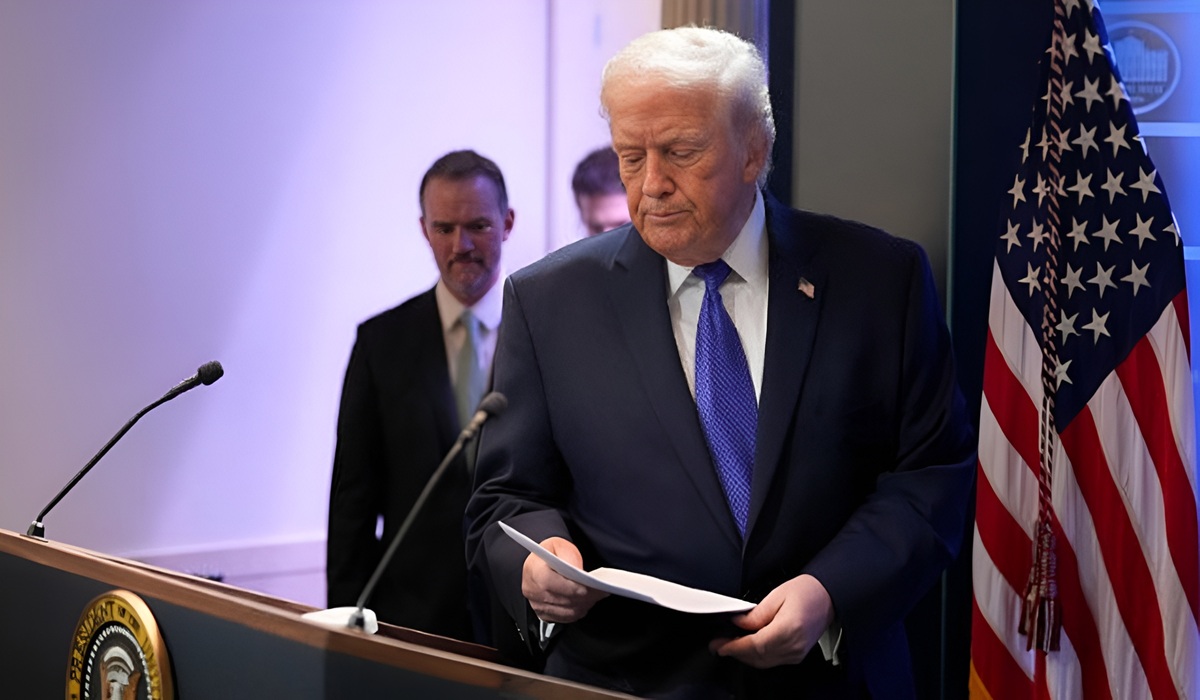
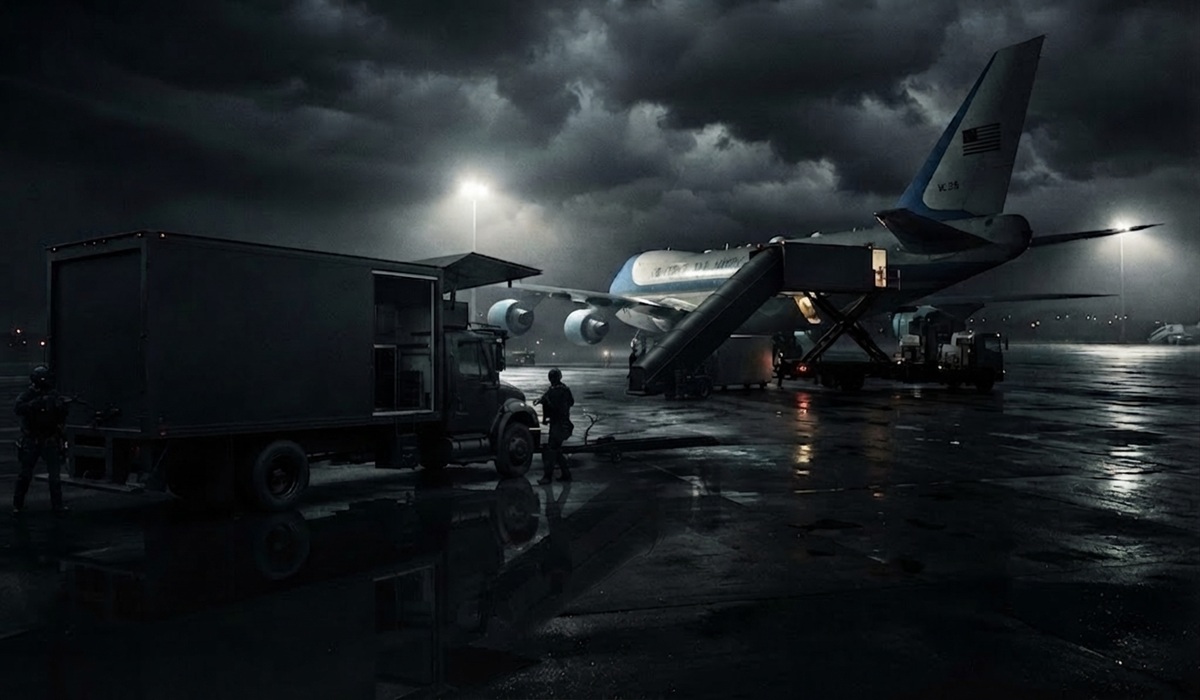
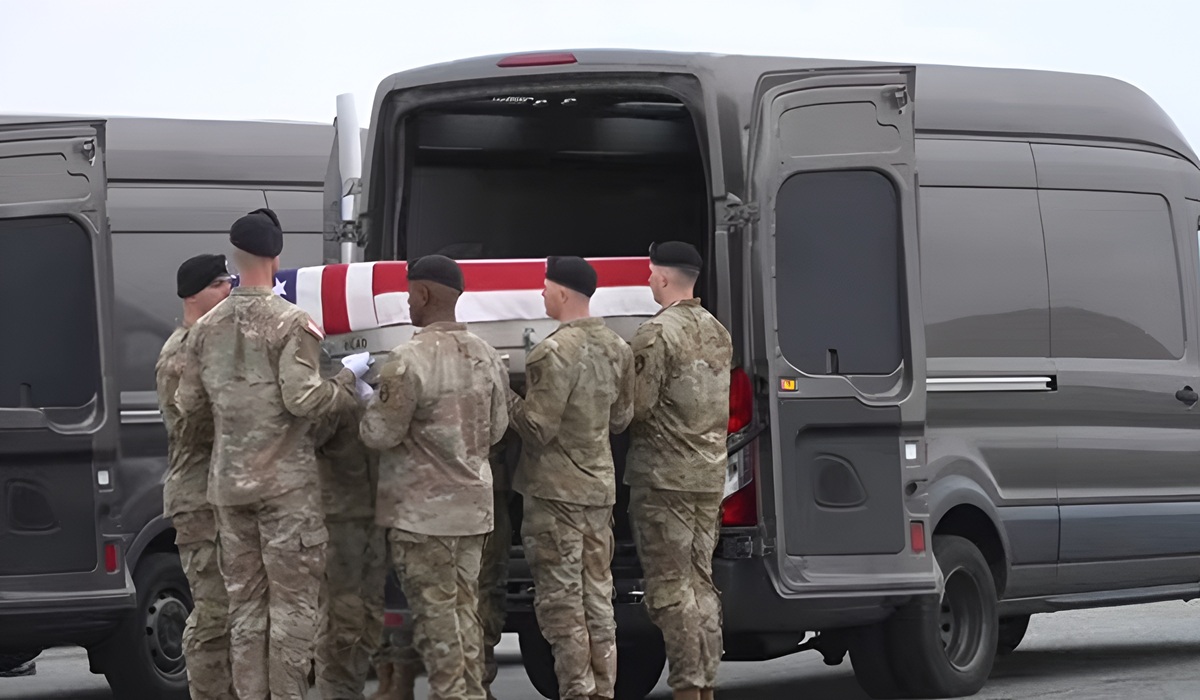
There are moments in a nation’s history when the silence is louder than any official statement, when what is not said begins to outweigh what is repeated from podiums and briefing rooms. This feels like one of those moments. Within twenty-four hours of the United States and Israel launching their strikes inside Iran, President Donald Trump moved to classify the American death toll. Not delayed. Not under review. Classified. Locked away from public view. In a democracy that has, for generations, publicly counted its war dead down to the last name etched in stone, that decision alone lands with a weight that cannot be ignored.
For weeks, the narrative coming from the Pentagon has remained tightly controlled, almost surgically precise in its restraint. Officials have insisted that casualties are minimal, that losses remain under twenty, that injuries are contained and manageable. Yet outside those official lines, another story has been circulating with increasing urgency, one that speaks of numbers that no longer fit the shape of what Americans are being told. Reports, whispers, fragments from within military circles and logistical movements suggest something far more severe, a death toll that may have already crossed into the thousands, with many more wounded and scattered across a strained system struggling to keep pace.
The disconnect is not subtle. It is structural. Military hospitals in Germany, long used as primary intake points for injured American service members, are reportedly treating only U.S. casualties. Regional facilities in the Middle East are doing the same. The volume of movement, the strain on personnel, the quiet but unmistakable shift in operational posture all point toward an influx that cannot be reconciled with the official line. When tens of thousands of American troops are stationed across a region where multiple bases have reportedly come under direct attack, the idea that losses remain negligible begins to strain belief. War does not behave that way. It never has.
There is also the question of precedent. The United States has fought long, grinding wars in Iraq and Afghanistan, conflicts that stretched over decades and cost thousands of lives. Even at the height of those wars, casualty figures were released, debated, challenged, and ultimately recorded for history. The public was not shielded from the human cost, even when that cost became politically inconvenient. To classify the dead is not simply an administrative decision. It is a signal. It suggests that what lies beneath the surface is not just uncomfortable, but potentially explosive.
And that is where the political reality begins to press in. This is not happening in a vacuum. It is unfolding in an election year already marked by volatility and shifting ground. There are early signs, however scattered, that the political landscape is not as stable as it once appeared. Unexpected outcomes in traditionally secure regions, tightening margins where there once were none, and a growing sense among voters that something is off, even if they cannot yet define it. The numbers, both political and human, are beginning to intersect in ways that are difficult to separate.
If the true scale of casualties has indeed been withheld, the implications extend far beyond the battlefield. The American public has historically tolerated sacrifice when it is acknowledged, when it is framed within a clear purpose and a transparent accounting. What it has not tolerated well is the perception of concealment, especially when that concealment involves the lives of young men and women sent into harm’s way. The trust between government and governed is not an abstract concept in times of war. It is the foundation that allows those wars to continue.
What makes this moment particularly unsettling is not just the possibility of high casualties, but the anticipation of their eventual revelation. Numbers have a way of surfacing. They move through unofficial channels, through families, through communities, through the quiet confirmations that accumulate until denial becomes impossible. And when they do surface, they do not arrive gently. They arrive all at once, carrying with them the full weight of what has been hidden.
There is a growing sense, difficult to quantify but impossible to dismiss, that the classification decision was not made to protect operational security alone, but to delay a political reckoning. If the casualty figures are as severe as some suggest, their release could fundamentally alter the trajectory of the current administration and the broader political balance. It could trigger not just outrage, but a recalibration of loyalty within Washington itself, where survival often dictates alignment more than ideology.
History has shown that wars rarely end in the way they are introduced. They evolve, expand, and expose fractures that were previously hidden beneath the surface. What begins as a show of strength can quickly become a test of endurance, not just militarily, but politically and socially. The question now is not simply how many have been lost, but how long that number can remain concealed, and what happens when it no longer can be.
Because if the silence breaks, and the full scale of the cost is revealed, the consequences will not be contained to the battlefield. They will ripple outward, through institutions, through elections, and through a public that may come to feel that it was not just misled, but deliberately kept in the dark. And when that realization takes hold, it has a way of reshaping everything that follows.
About The Author