By: Donovan Martin Sr, Editor in Chief
In a city that continues to evolve through diversity, there are moments when something deeper begins to take shape beneath the surface. It is not driven by funding, recognition, or institutional backing, but by people who refuse to let their culture fade and who understand the responsibility of passing it forward. In Manitoba, that movement exists, and it is steadily gaining strength through community, purpose, and belief.
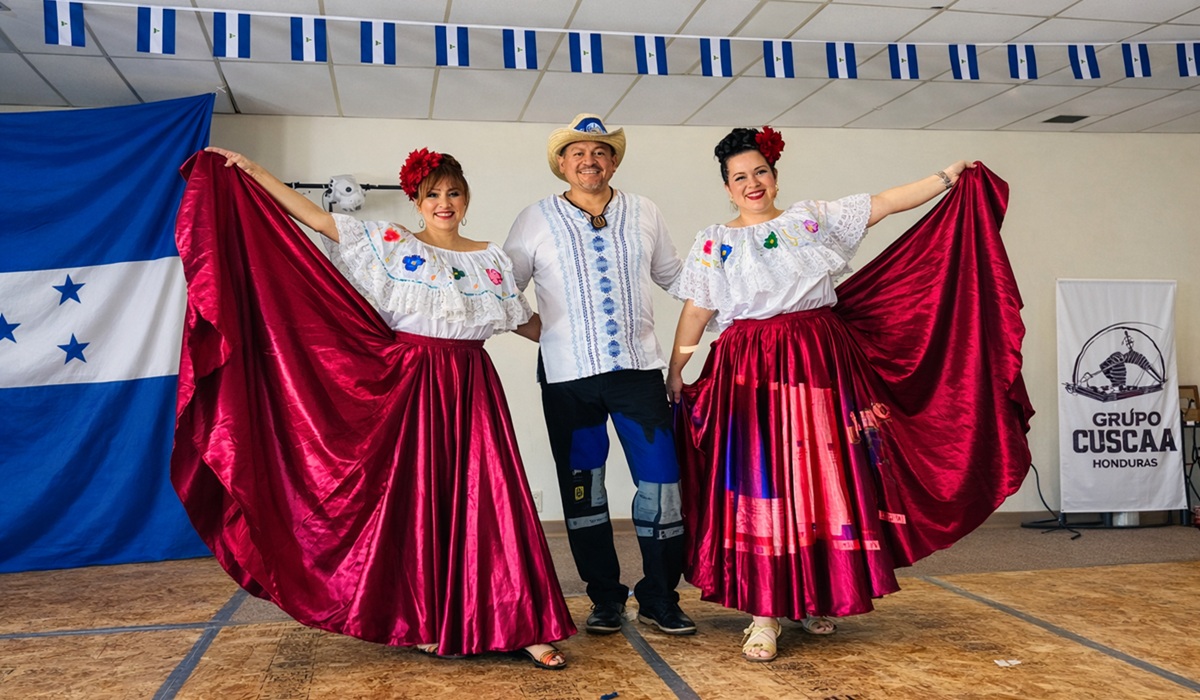
ALMA Salvadoreña is not simply a dance organization. It has become a space where identity is reclaimed, where heritage is lived in real time, and where young people are given something many never had access to before, a true connection to who they are and where they come from. What makes this even more meaningful is that everything has been built through volunteer effort, shared commitment, and a deep sense of responsibility to the next generation.
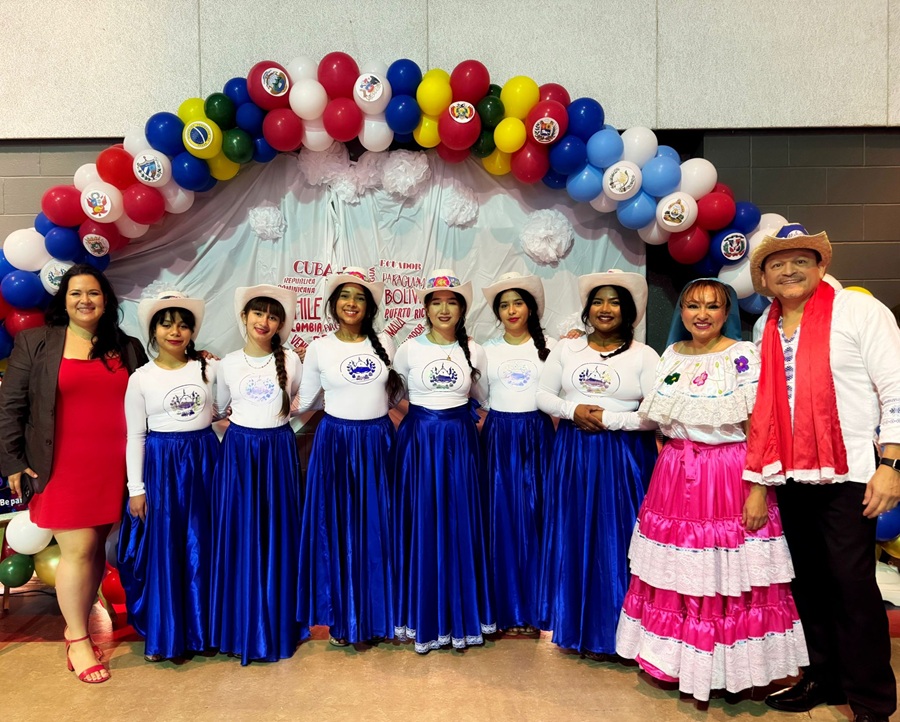
At the center of this work are its founders, Roxana Aguilar, Lisette Marroquín, and Ricardo Chacon, who have committed themselves fully to building something that lasts. They are present in every rehearsal, every performance, and every moment of growth, not as distant leaders, but as mentors who understand the importance of showing up. Their leadership is not about recognition or titles, but about consistency, trust, and impact.
The vision behind ALMA Salvadoreña was grounded in a simple but powerful truth that continues to guide everything it does. If young people are expected to move forward with confidence, they must first understand their roots and take pride in them. That belief became the foundation, and it is reflected in every dancer who walks through its doors.
What began with no financial resources has grown into something that now resonates across the community. With support from the Salvadoran Consulate providing rehearsal space, along with parents and community allies stepping in wherever needed, this initiative has proven that strong foundations are built through people, not money. Through grassroots fundraising and persistence, the first traditional costumes were secured, and today those same pieces represent far more than appearance, as they carry history, identity, and meaning.
Inside the program, the structure is intentional and inclusive, allowing participants of all ages to find their place. Las Maripositas introduces children as young as four to ballet and cultural expression, giving them confidence while planting the seeds of identity. The teen group provides a space for growth, belonging, and discipline during a critical stage of life, while the adult ensemble allows individuals to reconnect with their heritage and lead by example. Across all groups, the focus remains consistent, as it is not about perfection, but about connection, growth, and purpose.
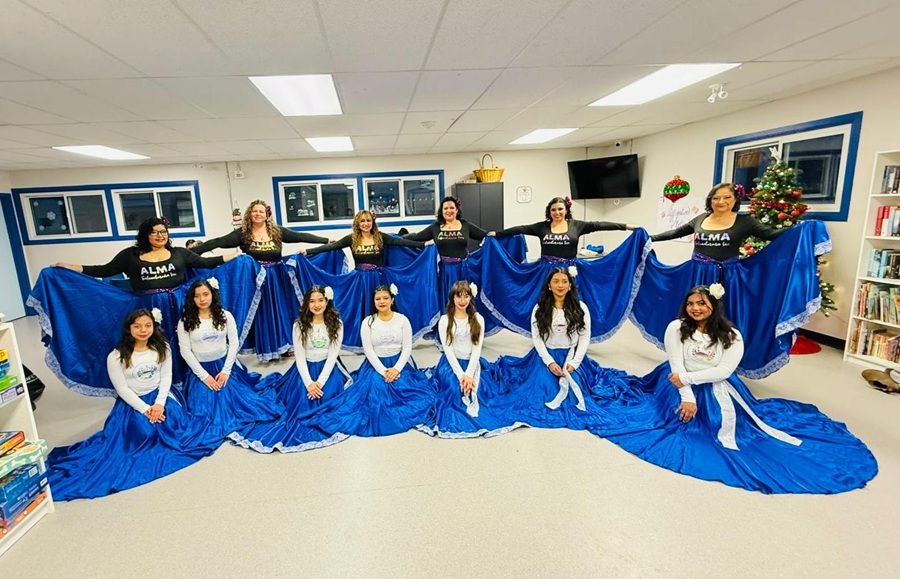
As its presence has expanded, so has its impact across Manitoba. An early performance at Cumbia Fest set the tone, bringing people together through movement and music. From there, the group stepped into the Legislative Building, contributing to a historic moment as Hispanic Heritage Day was officially recognized, marking a milestone for the broader community.
Performances at the Canada Life Centre alongside other Hispanic artists further established its place within the cultural landscape, while collaborations at the Franco-Manitoban Cultural Centre demonstrated an ability to connect across communities. During the holiday season, performances in the West End at Orioles Community Centre brought energy and celebration to families, and more recently, a Valentine’s Day event within the Salvadoran community reflected a group growing in both confidence and purpose.
While these public moments are important, the real impact is found away from the spotlight. It is seen in the quiet transformation of a child gaining confidence, in a teenager beginning to understand their cultural identity, and in families reconnecting through shared experiences. These are the moments that define the work and give it meaning.
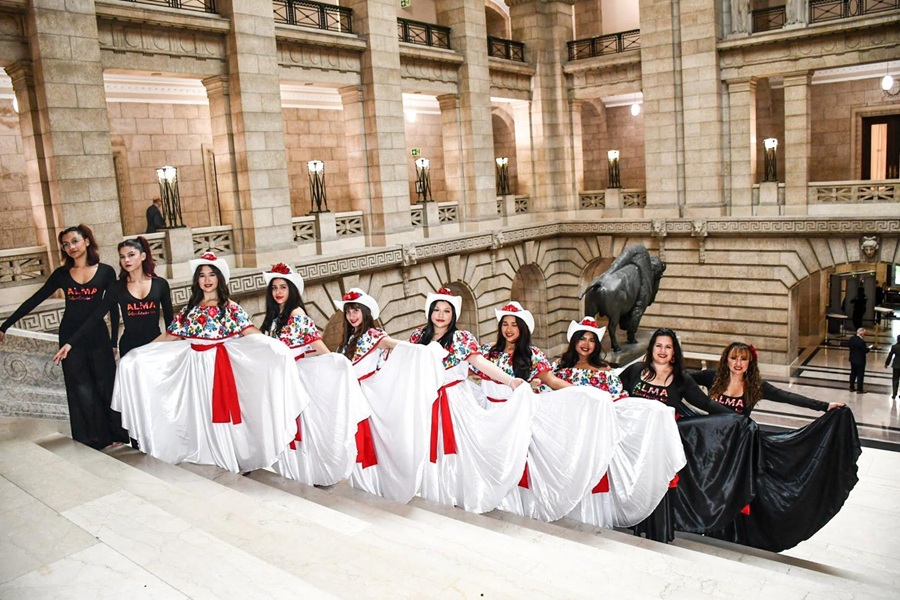
What sets this effort apart is its commitment to accessibility and inclusion, ensuring that participation is not limited by financial barriers. In a time when many extracurricular opportunities are out of reach for families, this space has been built on the belief that passion should determine opportunity. Through dance, participants develop discipline, teamwork, accountability, and self-respect, all of which extend far beyond the studio.
Each year, that sense of community is reinforced through two signature events that bring everyone together. The Mother’s Day recital serves as a tribute to the women who anchor families and culture, while the year-end showcase celebrates every participant through recognition, certificates, and a community dinner dance. These moments are not just performances, but affirmations that every effort matters and every individual is valued.
The challenges remain real, as operating entirely through volunteer effort and limited resources requires constant resilience and creativity. Continued support from the Salvadoran Consulate and community sponsors plays a crucial role, but the need for partnerships and broader support remains essential for long-term sustainability. Despite this, the work continues to move forward, driven by purpose rather than circumstance.
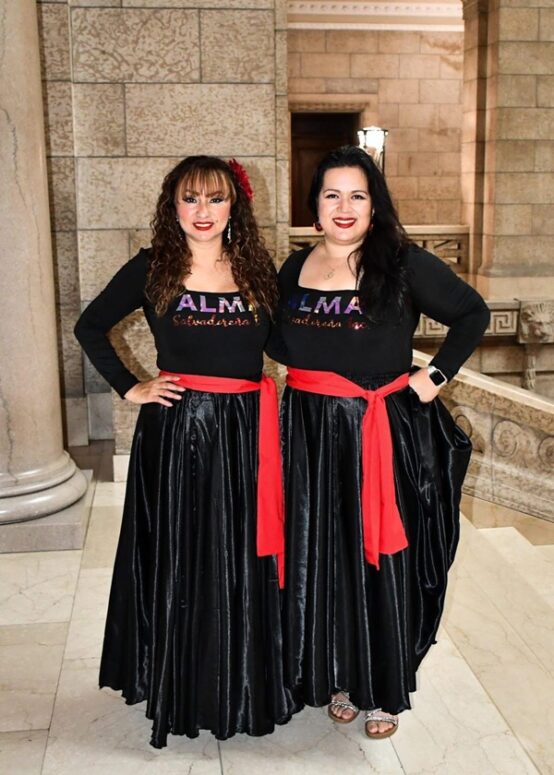
Roxana Aguilar captures the essence of this work with clarity and conviction. “We are not just teaching steps, we are teaching identity.” She reinforces that commitment by reminding those around her that “every child deserves to feel seen and valued,” and that “culture only survives when it is lived, not remembered.”
Lisette Marroquín speaks to the deeper impact on community and belonging. “This is about creating space where people belong without question.” She emphasizes the long-term vision by saying, “when we invest in our youth, we protect our future,” and reminds everyone that “dance connects who we were to who we are becoming.”
Ricardo Chacon grounds the work in responsibility and consistency. “We carry a duty to give back what was given to us.” His perspective reflects the reality of leadership, as he explains that “leadership means showing up even when it is hard,” and reinforces the foundation of the mission with the belief that “our culture is our strength, and it deserves to be visible.”
What exists today is more than a program, as it continues to grow with every person who walks through its doors. It is a living example of what happens when culture is nurtured with intention and community is placed at the center of everything.
In a world that often moves too quickly to remember its roots, this work carries real weight. When culture is preserved, identity is strengthened, and when a community rises together, the impact extends far beyond what can be seen on any stage.
About The Author