Cuba in Darkness: Energy Warfare, U.S. Pressure, and the Long Campaign to Break a Nation
- TDS News
- U.S.A
- March 18, 2026
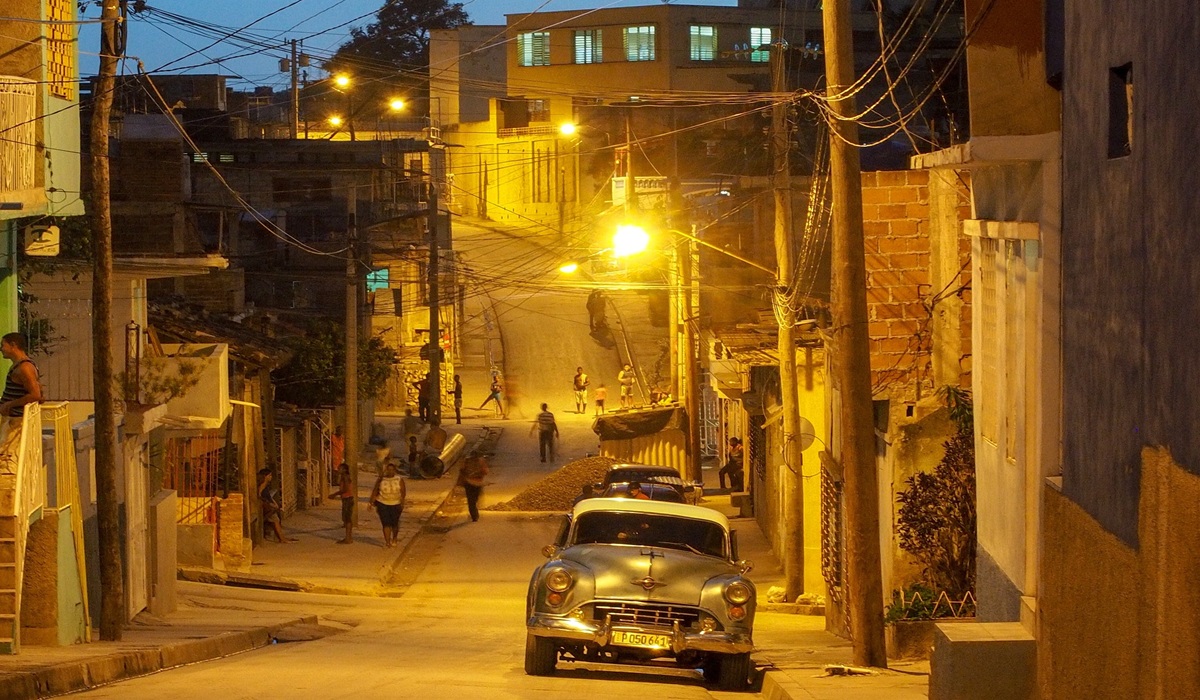
By: Donovan Martin Sr, Editor in Chief
Image Credit: Judith Hasler
Cuba is in the dark, and this didn’t happen by accident or bad luck. What’s unfolding right now is the result of a system being squeezed from the outside while already struggling on the inside, and the breaking point has finally been reached.
Entire parts of the country lost power at once, not because of a single failure, but because the system ran out of what keeps it alive—fuel. Cuba runs on imported oil, and when that supply tightens, everything else begins to collapse. Power plants slow down, the grid destabilizes, and eventually the lights go out across entire regions.
That fuel used to come largely from Venezuela. For years, that relationship kept Cuba functioning, even as its infrastructure aged and struggled to keep up. Once that oil flow was disrupted, the situation became critical almost immediately. There was no cushion, no backup system strong enough to absorb the shock.
What matters here is not just that the supply dropped, but why it dropped and why it hasn’t been replaced. The United States has spent decades building a system of sanctions and restrictions that makes it extremely difficult for Cuba to access global markets. When it comes to oil, that pressure becomes even more intense. Shipping companies, insurers, and financial institutions all face consequences for doing business with Cuba, which means even willing suppliers often stay away.
The result is a chokehold on energy. Whether you call it sanctions, pressure, or something stronger, the effect is the same—fuel becomes scarce, and when fuel becomes scarce, the entire country feels it.
This is where the conversation shifts from technical failure to power politics. Cuba’s current crisis cannot be separated from the long history of tension with the United States, a history that goes back to when Cuba took control of its own industries, including energy resources. That decision reshaped everything. From that point forward, pressure became a constant.
Oil has always been at the center of global power struggles, and Cuba is no exception. When a country depends on it but struggles to access it, that dependency becomes a vulnerability. Right now, that vulnerability is being exposed in the most visible way possible—through darkness.
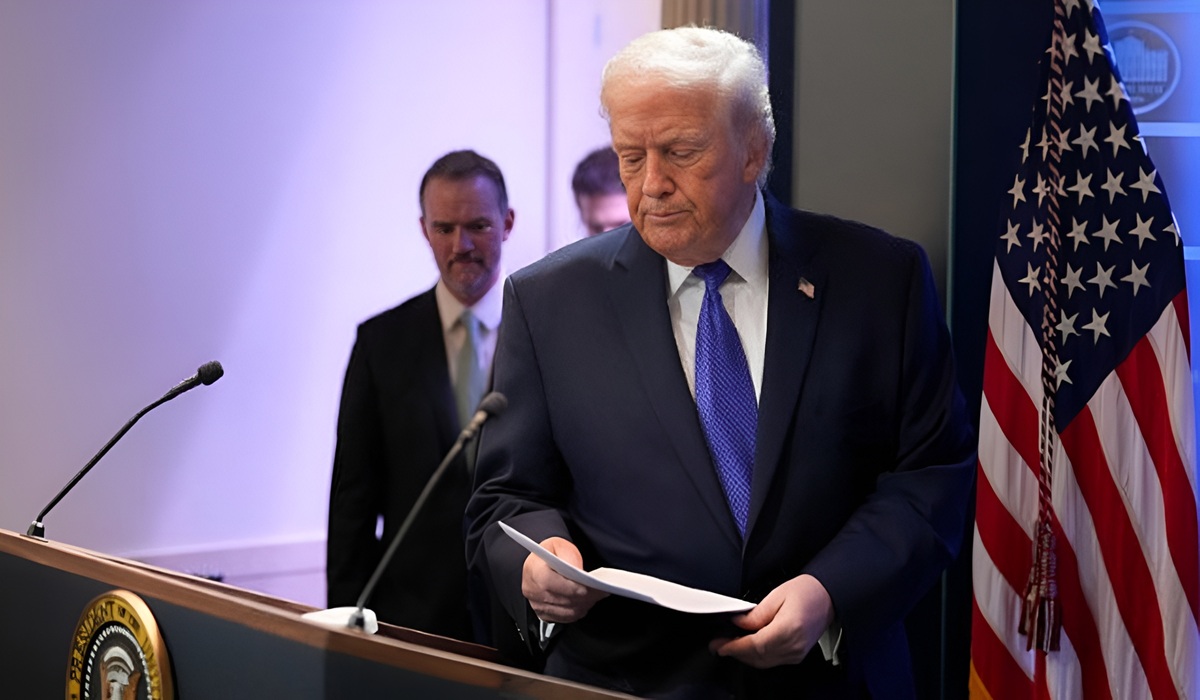
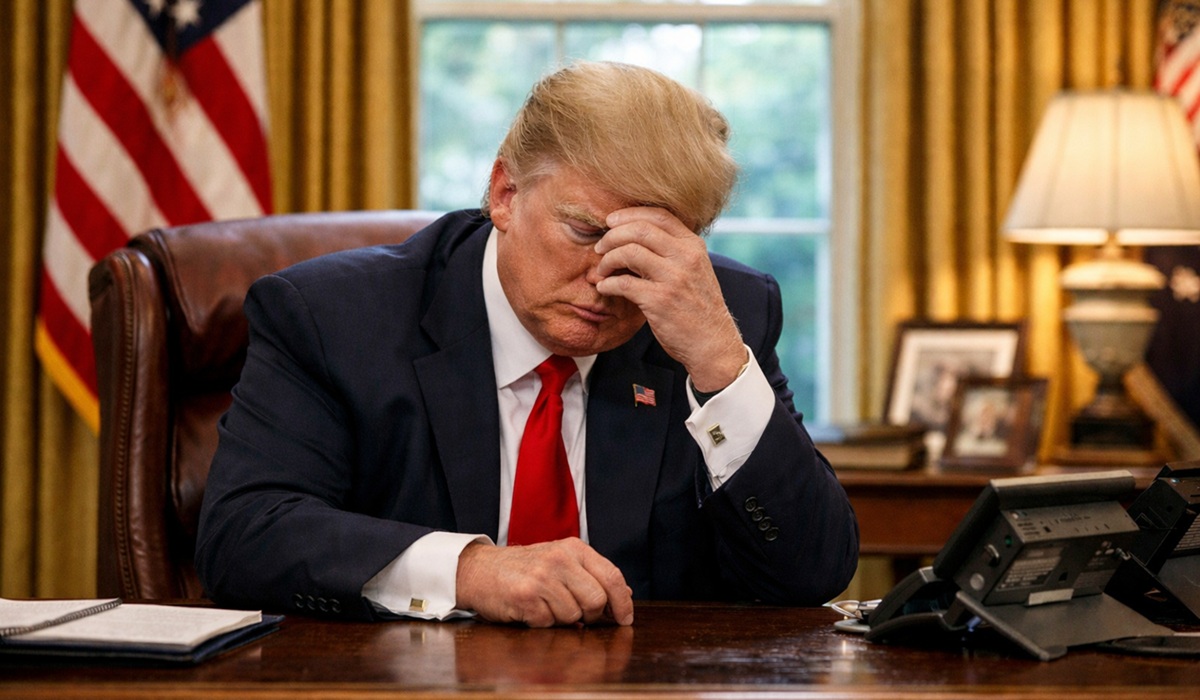
The rhetoric coming out of Washington adds another layer to the situation. When Donald Trump speaks about being able to take control of Cuba or deal with it however he chooses, that isn’t just background noise. In the middle of a crisis like this, those words carry weight and raise serious questions about intent and direction.
Marco Rubio’s position has been consistent for years. As a Cuban-American politician, he has taken a hardline stance, pushing for maximum pressure and a complete shift in how the country is governed. His approach reflects a broader strategy that sees economic strain as a pathway to political change.
There is also a long-standing concern, raised by many observers over the years, about the role of intelligence operations in moments like this. Historically, periods of economic instability have often been accompanied by efforts—covert or otherwise—to influence political outcomes, amplify internal unrest, or accelerate change. While specific claims about current operations inside Cuba are not publicly confirmed, the pattern itself is not new.
What is confirmed is the outcome on the ground. People are living through extended blackouts, dealing with spoiled food, limited water access, and disrupted services. Hospitals are under pressure, businesses are struggling to function, and daily life has become unpredictable in ways that affect everything from basic survival to long-term stability.
This is not just an energy crisis. It is what happens when external pressure, resource dependency, and internal fragility collide at the same time. Cuba is in the dark because the fuel it depends on is no longer flowing the way it once did, and because accessing a new supply has been made extraordinarily difficult. That combination has pushed the system past its limits. Until that changes, the instability will remain, and the lights will continue to go out.
About The Author