Canada Strengthens Arctic and Energy Ties During Prime Minister’s Norway Visit
- Kingston Bailey
- Canada
- March 17, 2026
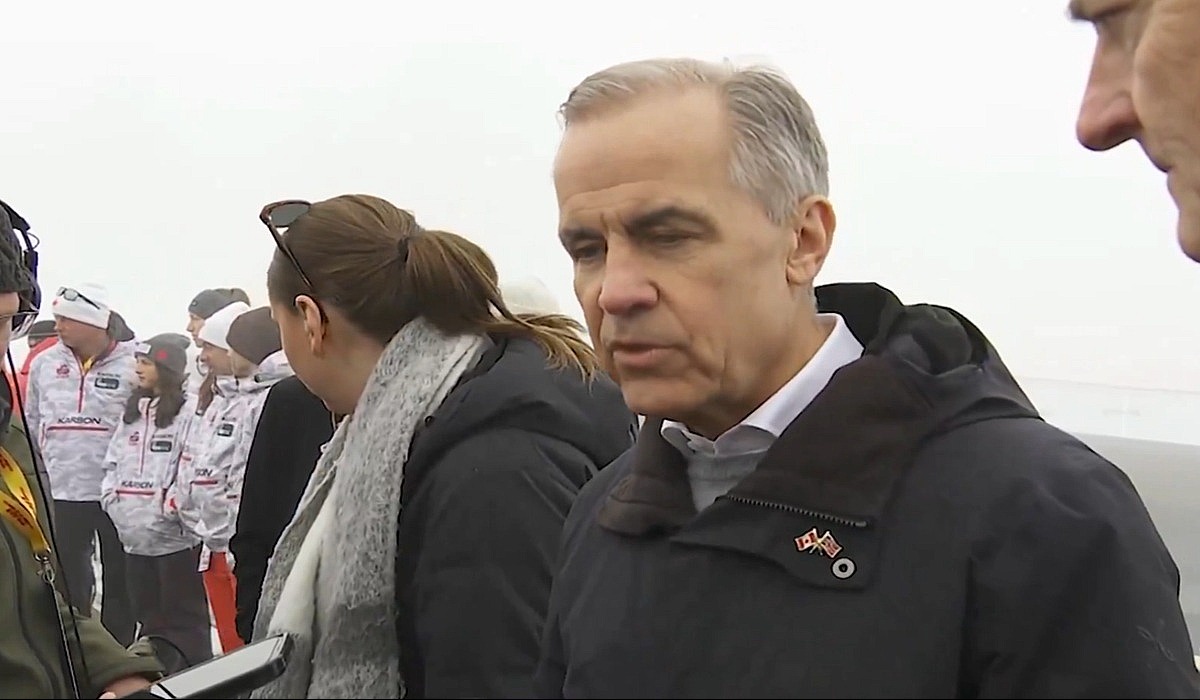
The Prime Minister concluded a high-level visit to Norway this week, marking a significant step forward in Arctic cooperation, energy alignment, and defence coordination between two nations increasingly aware of their shared strategic geography. While the trip may not have carried the spectacle of larger multilateral summits, its outcomes point to a quiet but meaningful recalibration of the country’s role in the North and its evolving partnerships in Europe.
At the heart of the visit was a renewed focus on Arctic sovereignty and security. Both nations, NATO allies with extensive northern coastlines, have found themselves navigating similar pressures as climate change opens new shipping routes and intensifies global interest in Arctic resources. Meetings with Norwegian leadership emphasized joint monitoring initiatives, intelligence sharing, and expanded military exercises designed to reinforce a collective presence in the region. These discussions come at a time when Arctic governance is no longer a peripheral issue, but a central pillar of national security.
Energy cooperation was another cornerstone of the trip. Norway, one of the world’s leading energy exporters with a sophisticated offshore sector, has become an increasingly important partner as Ottawa seeks to balance environmental commitments with economic growth. The Prime Minister’s delegation included senior officials and industry representatives focused on carbon capture technologies, offshore wind development, and sustainable resource extraction. Agreements signed during the visit aim to accelerate knowledge transfer and joint ventures, particularly in areas where Norway’s decades of experience can inform emerging domestic projects.
Trade also featured prominently, with both nations reaffirming their commitment to strengthening bilateral commerce under existing frameworks. Officials highlighted opportunities for increased exports in critical minerals, while Norwegian counterparts expressed interest in innovation in clean technology. Although trade volumes between the two countries remain modest compared to larger global partners, the strategic value of diversification—particularly in a shifting global economy—was underscored throughout the visit.
Defence collaboration extended beyond the Arctic, with discussions addressing broader NATO priorities. The government signaled its intention to deepen engagement in European security, aligning more closely with allies who have taken a firmer stance on emerging global threats. Norway, for its part, welcomed the increased presence and reiterated the importance of shared responsibility within the alliance. The visit included a tour of Norwegian defence facilities, offering officials a closer look at advanced maritime and surveillance systems.
The Prime Minister also used the trip to position the country as a credible partner in global climate leadership. Norway’s model of balancing energy production with environmental stewardship has long been cited as a benchmark, and officials appeared keen to draw parallels while acknowledging the challenges ahead. Joint statements emphasized a commitment to reducing emissions without compromising economic resilience, a balancing act that continues to define policy debates at home.
Culturally and diplomatically, the visit reinforced longstanding ties rooted in shared values and historical connections. While these aspects often receive less attention than economic or security outcomes, they remain an essential foundation for sustained cooperation. Engagements included meetings with cultural organizations and discussions on Indigenous partnerships, reflecting a broader effort to integrate social considerations into international policy.
In practical terms, the trip may not produce immediate, headline-grabbing results. However, its significance lies in the groundwork it establishes for long-term collaboration. As global dynamics continue to shift, the ability to build and maintain strong relationships with like-minded nations will be critical. Norway, with its strategic location and aligned interests, represents a partner whose importance is likely to grow in the years ahead.
Ultimately, the visit can be seen as part of a broader effort to reposition the country within a more complex and competitive global landscape. By strengthening ties with Norway, the Prime Minister has signaled an understanding that future influence may depend as much on targeted, strategic partnerships as on traditional alliances. It is a quiet form of diplomacy, but one that could carry significant weight in shaping its role on the world stage.
About The Author