Parliament Rejects Bill C-233, Leaving the U.S. Weapons Loophole Intact
- TDS News
- Canada
- March 12, 2026

Image Credit: wnk1029
The defeat of Bill C-233 in the House of Commons has reopened a difficult national conversation about responsibility, foreign policy, and the moral contradictions that sometimes appear between political language and real-world policy. The legislation was introduced with a clear objective: closing what many observers describe as a loophole that allows military components produced in this country to move into the United States and potentially become part of weapons systems later transferred to Israel. By voting down the bill, Parliament chose to leave that pathway untouched, a decision that many believe will shape how the country is viewed internationally during one of the most volatile periods in the Middle East in decades.
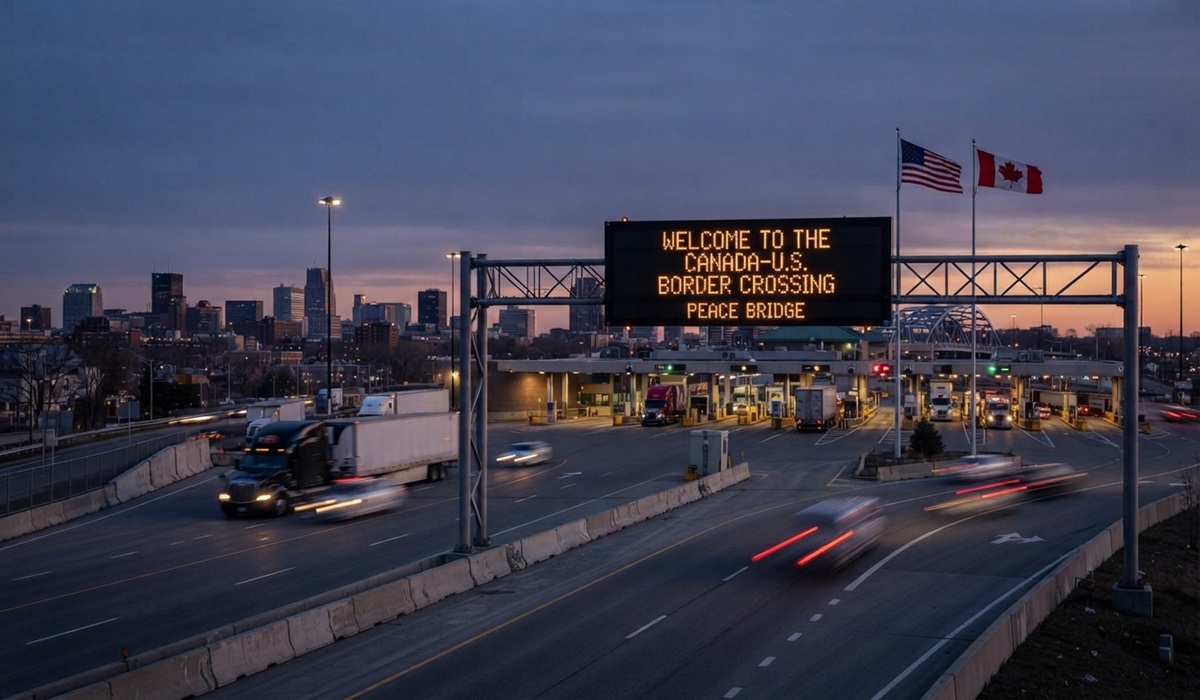
Supporters of the legislation argued that the issue was not theoretical. For decades, the defense industries on both sides of the border have become tightly interconnected. Parts, software, electronics, and specialized technologies regularly move south before being incorporated into larger American weapons systems. Once those materials enter U.S. supply chains, oversight becomes significantly more complicated. Many who backed the bill said this arrangement allows governments to publicly limit direct arms exports while still participating indirectly in the broader military networks supplying a conflict.
Bill C-233 sought to close that gap by ensuring that military goods produced domestically could not reach Israel through American intermediaries. Those pushing for the legislation argued that without addressing the U.S. transfer route, any public claim of restricting arms exports remained incomplete.
The timing of the debate gave the issue even greater weight. The war in Gaza has produced devastating humanitarian consequences, with neighborhoods destroyed and civilian casualties continuing to rise. Yet the conflict itself did not suddenly begin in October. The attack carried out by Hamas against Israeli civilians was horrific and triggered the current phase of violence, but the region had already been living through decades of occupation, political breakdowns, retaliatory attacks, and cycles of violence affecting both Israelis and Palestinians. Treating October as the beginning of the story ignores a long and complicated history that has shaped the present moment.
Understanding that history is essential to grasp why debates about weapons transfers have become so intense. For many people watching the vote unfold, the issue goes beyond a single bill or a single conflict. The deeper question is whether a country that frequently speaks about human rights, civilian protection, and international law is willing to align its policies with those principles when the geopolitical costs become uncomfortable.
Opponents of Bill C-233 framed the issue in a different light. Several MPs argued that the integrated defense relationship with the United States forms a cornerstone of continental security and industrial cooperation. Military production between the two countries has evolved over decades into a highly coordinated system supporting joint defense arrangements as well as thousands of jobs. Restricting that network, they argued, could create unintended consequences for both security partnerships and domestic industry.
Even so, the outcome of the vote has sparked renewed scrutiny of the broader alliances shaping foreign policy decisions. Participation in the intelligence partnership known as the Five Eyes—alongside the United States, the United Kingdom, Australia, and New Zealand—places Ottawa firmly within the strategic framework of Western security cooperation. Intelligence sharing within that alliance is extensive, and while much of it remains classified, the arrangement reinforces perceptions abroad that policy decisions often move in close alignment with Washington and other partners.
Those perceptions carry weight, particularly in regions where Western military involvement has long been viewed with suspicion. When parliamentary decisions appear to preserve defense supply chains connected to ongoing wars, many observers argue that the country risks weakening its long-standing reputation as a diplomatic voice and advocate for international law.
The political context surrounding the vote has also drawn attention at home. Many voters believed that the election of Prime Minister Mark Carney might signal a shift in foreign policy tone. Instead, some analysts see the defeat of Bill C-233 as evidence that strategic alignment with Washington remains largely unchanged. The continued prominence of senior cabinet figures such as Anita Anand, who has played a major role in defense and security policy, has reinforced the sense among some observers that the current government intends to maintain existing military partnerships.
Civil society organizations and advocacy groups have already begun documenting how MPs voted on the bill. Several groups say they plan to publish detailed records so voters can see how their representatives responded during a moment many consider historically significant. For activists who supported the legislation, the vote represents a missed opportunity to demonstrate that humanitarian concerns can translate into concrete policy.
Government supporters respond that such arguments overlook the complexity of international security arrangements. They maintain that maintaining defense cooperation with democratic allies does not automatically mean endorsing every military decision those allies make. From their perspective, policymakers must constantly navigate the difficult balance between humanitarian concerns, economic interests, and longstanding security partnerships.
The debate surrounding Bill C-233 ultimately exposes a deeper tension within foreign policy itself. Political leaders frequently speak about defending international law and protecting civilian populations in conflict zones. At the same time, the modern defense economy is built on supply chains that cross borders and blur the lines of responsibility. When those networks intersect with controversial wars, the question of accountability becomes far more complicated.
Parliament’s vote did not settle that question. Instead, it ensured that the conversation will continue both domestically and internationally as the war in the Middle East evolves and the global community continues grappling with the responsibilities of those whose industries, alliances, and policies contribute to modern warfare.
About The Author