Image Credit: hosnysalah
The global order is undergoing one of the most profound shifts since the end of the Cold War. For decades, the international system largely revolved around a relatively stable hierarchy of economic and military power. That structure is now being reshaped in ways that are both subtle and dramatic. Alliances are shifting, new partnerships are forming, and countries that once operated comfortably within a familiar framework are now reassessing where they stand in a rapidly evolving landscape.
At the center of this transformation is a growing realization that the post-1990 moment of uncontested dominance by a single superpower has passed. Many governments are adjusting to a more multipolar world, one in which influence is distributed across several powerful actors rather than concentrated in one place. This adjustment is not happening through a single dramatic event but through a series of overlapping developments that collectively signal a broader recalibration.
Trade relationships are among the clearest indicators of this shift. Countries that once depended heavily on a narrow set of partners are now diversifying their economic ties in order to reduce vulnerability. Supply chains that once stretched across continents without much political consideration are increasingly being restructured with security and resilience in mind. Governments are investing heavily in domestic manufacturing, critical minerals, and strategic industries in an effort to insulate themselves from geopolitical shocks.
The energy sector is another arena where global dynamics are evolving quickly. Energy security has returned to the forefront of national strategy after years in which many believed globalization had permanently stabilized supply. Recent disruptions have reminded policymakers that energy flows remain deeply tied to geopolitical realities. Nations rich in oil, natural gas, and emerging energy resources now find themselves navigating a landscape where demand, political leverage, and strategic alliances intersect in complicated ways.
Technology has become a central battleground in this broader competition. Artificial intelligence, advanced semiconductors, and next-generation communications infrastructure are no longer simply commercial industries. They are increasingly seen as pillars of national power. Governments are pouring billions into research, domestic production, and technological ecosystems that can give them long-term advantages. The race for technological leadership is not just about economic growth but about influence over the systems that will shape the next century.
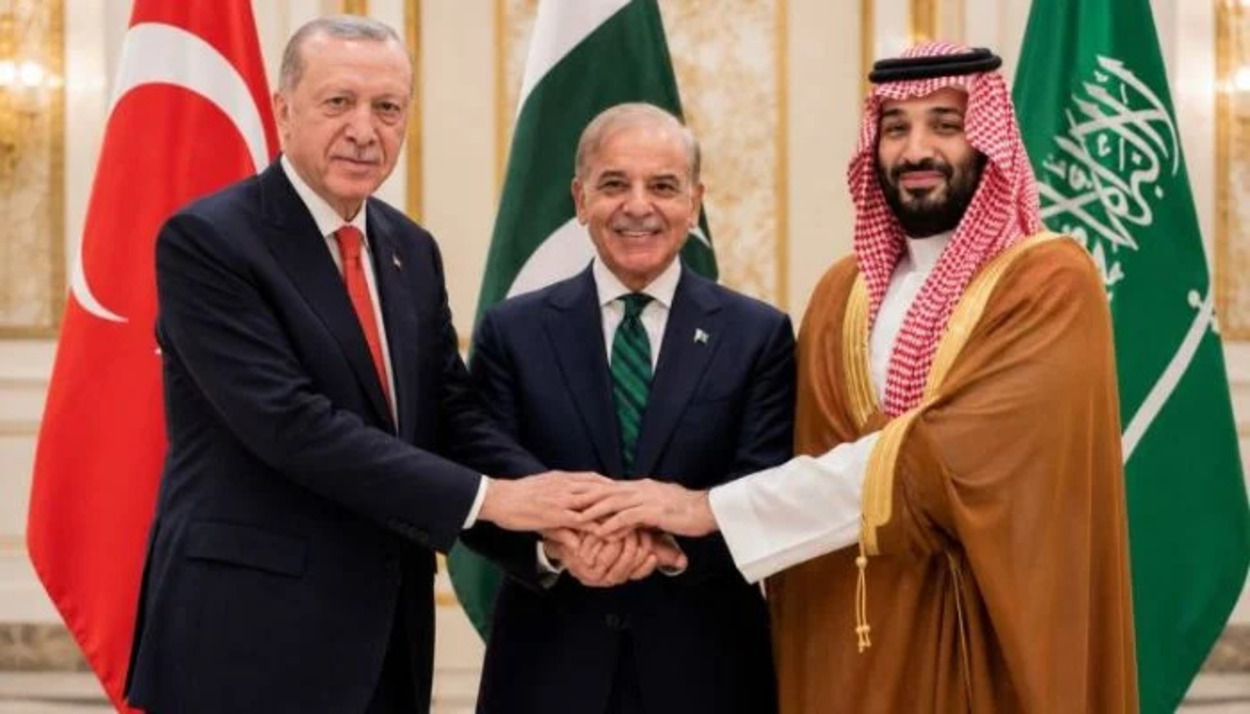
At the same time, diplomacy is adapting to this new reality. Countries that once focused primarily on traditional allies are exploring relationships that would have seemed unlikely a generation ago. Regional partnerships are growing stronger, and middle powers are discovering that they have greater room to maneuver than in the past. Nations that may not dominate global politics individually are finding strength through collective initiatives that allow them to shape events in meaningful ways.
This rebalancing has also exposed tensions within longstanding alliances. As economic priorities shift and domestic politics evolve, some governments are discovering that their interests do not always align perfectly with those of their traditional partners. That does not necessarily mean alliances are collapsing, but it does mean they are being renegotiated and recalibrated. The process can be uncomfortable, yet it reflects a natural adaptation to changing circumstances.
Financial systems are beginning to reflect the same pressures. Discussions about alternative payment systems, currency diversification, and new financial institutions are becoming more common. While the existing global financial architecture remains powerful and deeply entrenched, the conversation about diversification suggests that many countries are exploring ways to reduce dependence on any single monetary center.
What makes this moment particularly significant is that these developments are occurring simultaneously. Trade, technology, energy, diplomacy, and finance are all evolving at once, reinforcing each other in ways that accelerate change. Each individual shift might seem manageable on its own, but together they are reshaping the structure of international relations.
Despite the uncertainty that accompanies such transformations, periods of systemic change can also create opportunities. New partnerships often emerge during moments of transition, and countries that adapt quickly can position themselves advantageously within the emerging order. Strategic thinking, careful diplomacy, and economic resilience will determine which nations navigate the transition most successfully.
History rarely moves in straight lines. The global system has always been fluid, responding to shifts in power, innovation, and political will. What distinguishes the current moment is the speed at which these changes are unfolding and the degree to which they are interconnected. The world is not descending into chaos, but it is undeniably entering a new phase where influence is more widely distributed and the rules of engagement are still being written.
The coming years will likely reveal whether this transformation leads to greater cooperation among emerging centers of power or to heightened competition. Either way, the international landscape is clearly moving away from the familiar patterns of the past and toward a structure that will define global politics for decades to come.
About The Author