A Strike That Shakes the Islamic World: The Death of Iran’s Ayatollah Khamenei
- Kingston Bailey
- Breaking News
- Middle East
- March 1, 2026
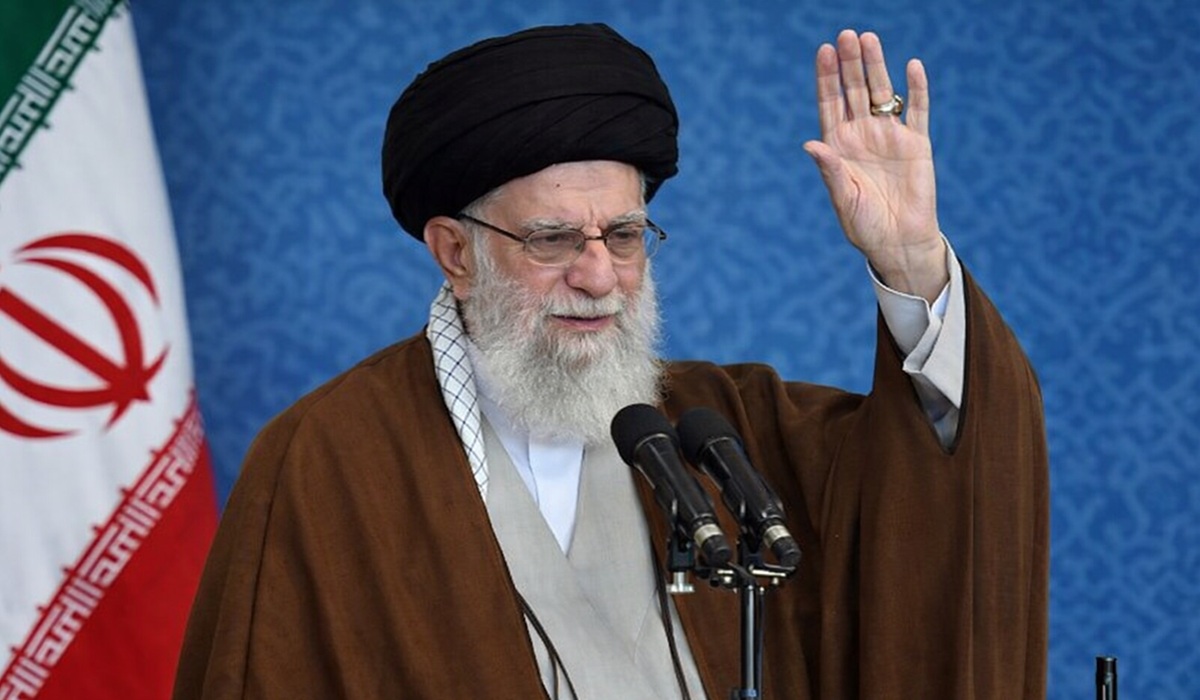
In a move that is already reshaping the global order in real time, a joint U.S.–Israeli strike has reportedly killed Iran’s supreme religious authority—the Ayatollah. The magnitude of such an act cannot be overstated. In Iran’s political system, the Supreme Leader is not simply a cleric or ceremonial figure. He is the highest authority in the state, commanding the armed forces, guiding the judiciary, influencing foreign policy, and serving as the ultimate decision-maker in matters of war and peace. In symbolic and political terms, this would be comparable to assassinating a sitting U.S. president and a global spiritual leader in a single blow.
To understand the scale, one must imagine the reaction if a foreign power killed President Donald Trump in a targeted strike. The United States would not debate whether it constituted war; it would respond. Or imagine the global shockwaves if the Pope—the head of the Catholic Church and spiritual guide to over a billion faithful—were assassinated by a foreign military power. The outrage would be immediate and worldwide. For millions across the Islamic world, the Ayatollah holds comparable spiritual and political weight. Agreement or disagreement with his policies is beside the point. The assassination of a head of state and top religious authority carries consequences that transcend policy debates.
Those consequences are already unfolding. U.S. bases and allied facilities across the region are currently facing heavy missile and drone barrages. Gulf states are absorbing spillover strikes. This is not theoretical escalation; it is happening now. The situation is intensifying by the hour, not stabilizing. American military installations, diplomatic compounds, and infrastructure—both in the Middle East and potentially far beyond—are on heightened alert. Security analysts warn that the retaliation will not be limited to one front or one week. It may evolve into sustained asymmetric confrontation.
The Strait of Hormuz, one of the world’s most critical energy corridors, is already under severe pressure. Shipping disruptions are rippling through global oil markets. More than five trillion dollars have been wiped from global stock markets in the immediate aftermath as investors react to energy insecurity and geopolitical risk. When oil stops flowing normally, the impact does not remain on trading screens. It hits consumers directly. Gasoline prices surge. Transportation costs climb. Food and grocery prices follow. Supply chains tighten. Inflationary pressure mounts. American families feel it at the pump and at the checkout counter.
Inside Iran, mass mourning gatherings are turning into moments of national consolidation. The symbolism of a slain Supreme Leader is powerful. Political factions that once competed may now unify under the banner of resistance. The constitutional succession process, managed by the Assembly of Experts, will proceed, but it unfolds under the shadow of external attack. Leadership transitions in times of crisis rarely produce moderation. They often produce resolve.
Diplomatically, the ramifications extend even further. If Washington justifies the assassination as strategic necessity or regime intervention, it fundamentally alters the moral framework through which it criticizes foreign interference elsewhere. Arguments against election manipulation, regime destabilization, or external political meddling become more difficult to sustain when leadership removal by force has been employed openly. International norms are built on consistency. Once exceptions are made, the precedent stands.
This is why many observers describe the moment as opening Pandora’s box. Once unleashed, the forces inside are difficult to contain. Cyber operations may intensify. Proxy conflicts may expand. Regional rivalries may ignite simultaneously. Gulf states, already navigating fragile security balances, are being pulled deeper into confrontation as missiles fly over their territory.
The United States will not emerge untouched. Beyond military risk, there is economic strain, diplomatic isolation in certain quarters, and long-term security exposure. The domestic consequences may be just as significant as the international ones. The world’s largest economy cannot be insulated from sustained regional war in a zone that supplies global energy.
None of this diminishes the complexity of Iran’s record or the grievances that led to confrontation. It simply underscores the reality that assassinating the supreme leader of a sovereign nation is not a contained event. It is a historical rupture. It is the kind of action that alters strategic landscapes for decades.
The question now is not whether the strike was dramatic. It unquestionably was. The question is whether leaders on all sides can prevent the current barrage from spiraling into an entrenched, multi-front war with global economic and security consequences. The genie is out. The task ahead is determining whether escalation becomes destiny or whether restraint, however difficult, can still prevail.
About The Author