Escalation Watch: The U.S., Iran, and the Edge of a Decision
- Naomi Dela Cruz
- U.S.A
- February 27, 2026
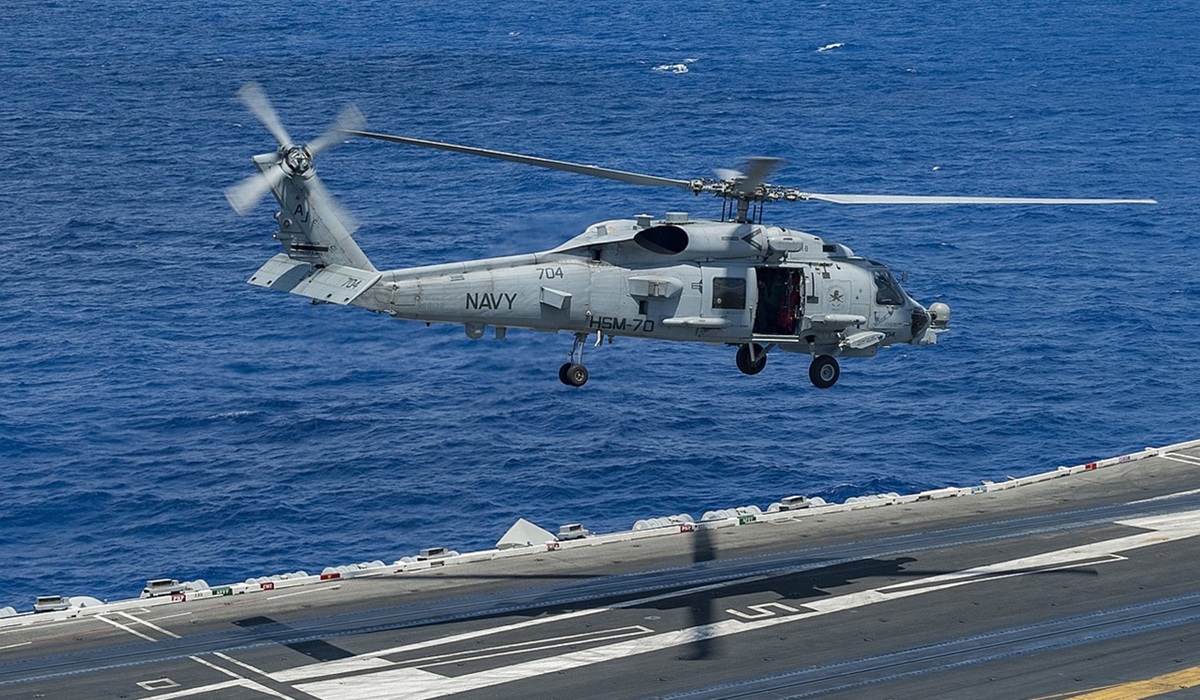
Image Credit: Military Materials
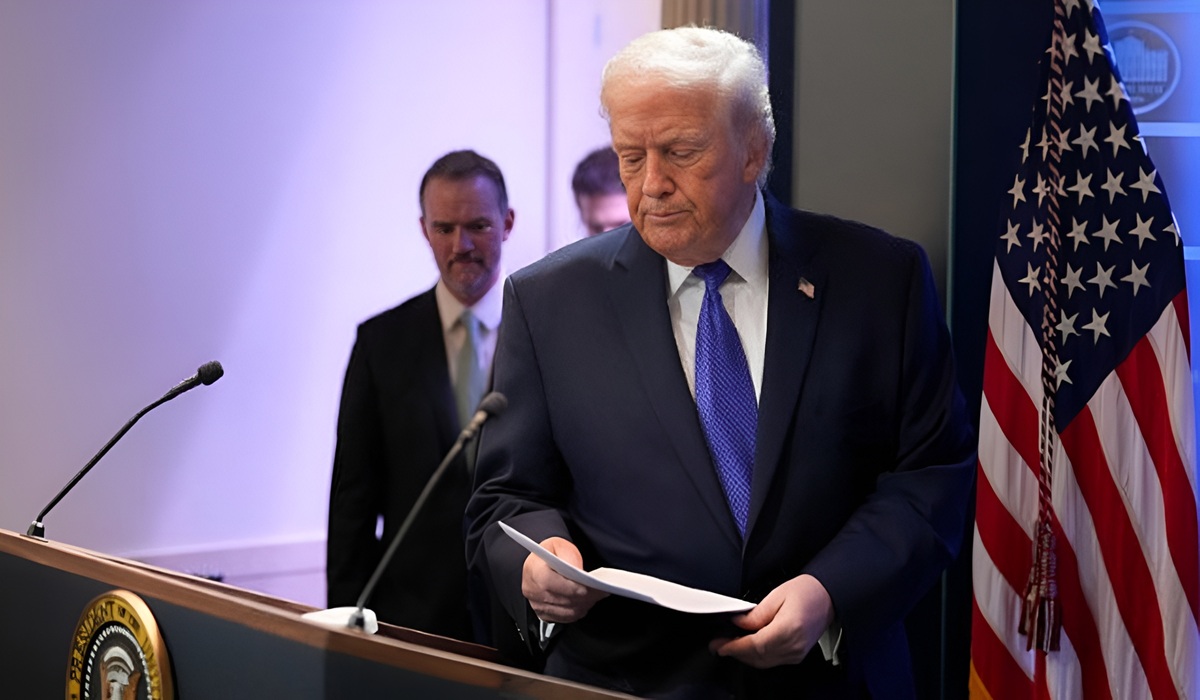
Tension between the United States and Iran has intensified in recent weeks, with diplomatic efforts continuing even as military options are reportedly being reviewed at senior levels in Washington. Public messaging from U.S. officials has emphasized concerns about Iran’s regional activities and missile capabilities, while Tehran has signaled it will not negotiate under threats. The result is a familiar but dangerous pattern: talks on one track, pressure on another.
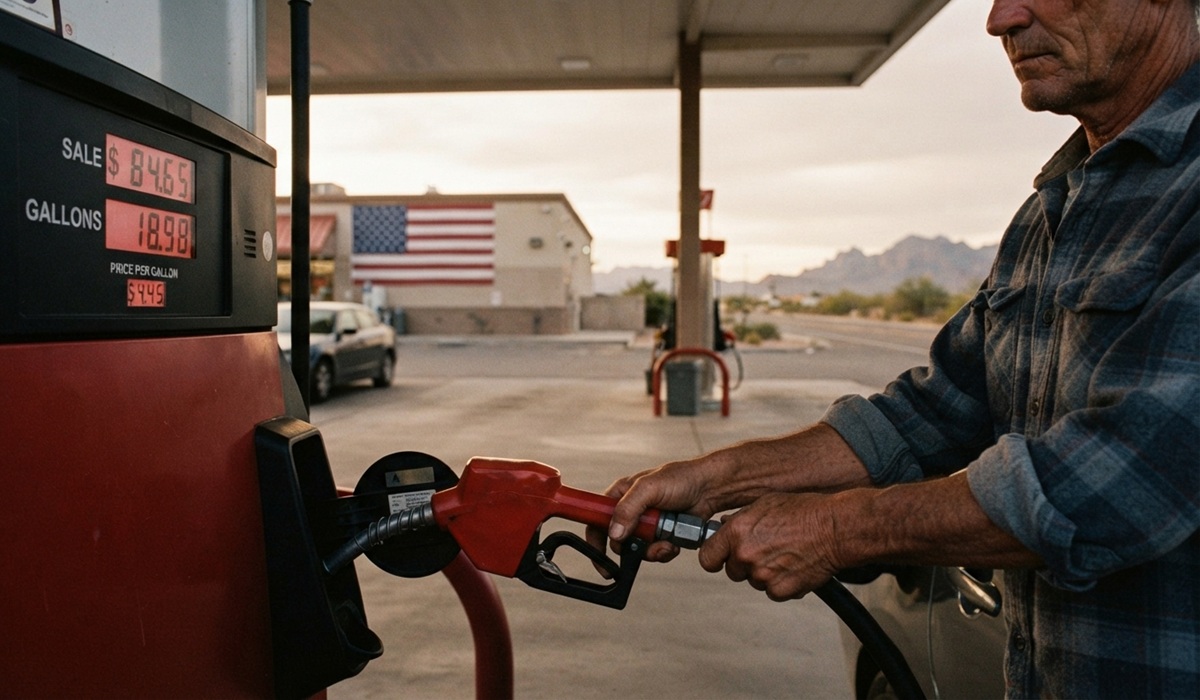
Energy markets have reacted sharply to the possibility of escalation. Gulf producers have adjusted export patterns, and analysts are watching the Strait of Hormuz closely. Roughly a fifth of the world’s oil supply passes through that narrow corridor. Even a temporary disruption would ripple across global markets, affecting fuel prices, shipping costs, and fragile economies far beyond the Middle East.
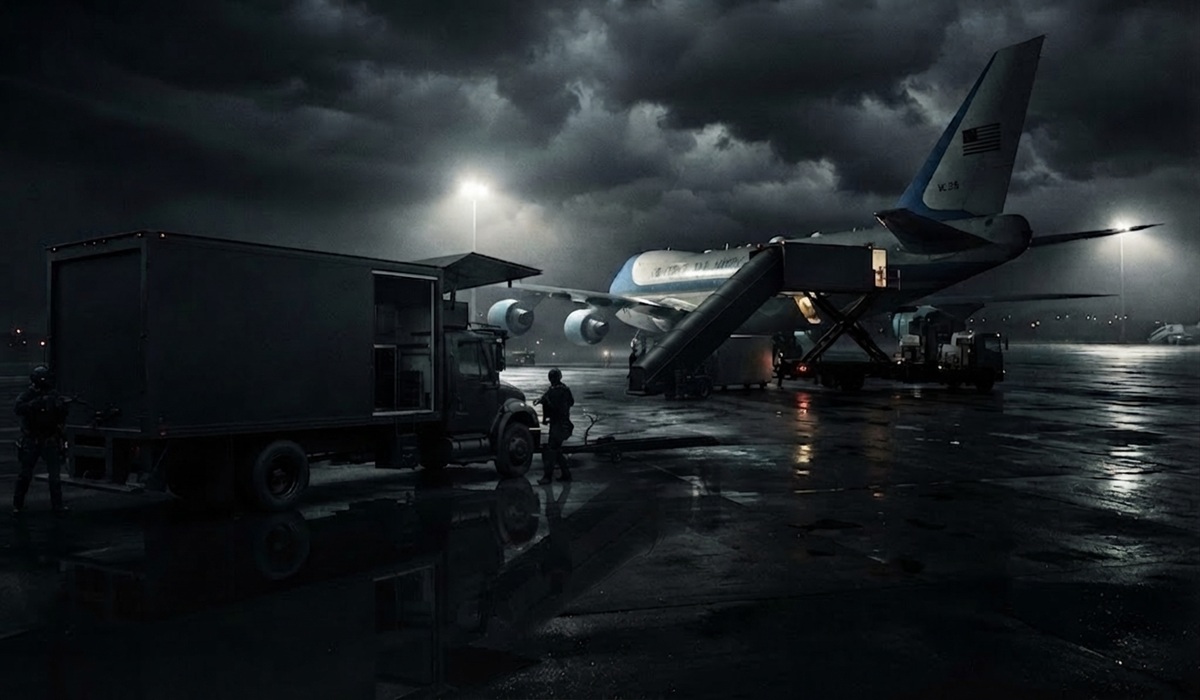
Inside the United States, discussions reportedly focus on strike scenarios, potential targets, and the scope of retaliation that could follow. A limited strike designed to send a message is one possibility. A broader campaign aimed at degrading military infrastructure is another. Each path carries different risks, especially given Iran’s network of regional allies and its capacity for asymmetric response.
Iran’s likely response options include missile launches, cyber operations, or actions through allied groups across the region. None of those responses would remain neatly contained. Israel, Gulf states, Iraq, and even global shipping lanes could become entangled. That is why many observers describe the current moment as volatile rather than inevitable. Escalation may not be predetermined, but the ingredients are present.
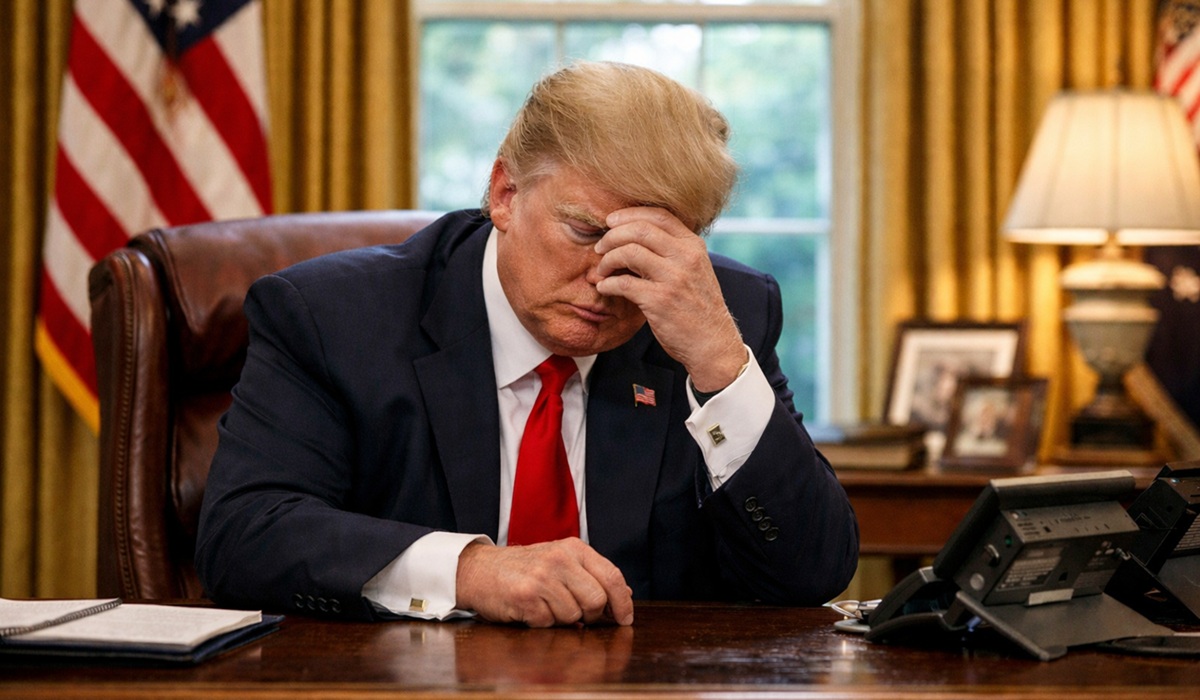
Diplomatically, there are still backchannels operating. Negotiators have not declared talks dead, which suggests both sides understand the cost of open conflict. However, diplomacy under visible military preparation can either produce urgency or deepen mistrust. It depends on whether leaders interpret pressure as leverage or as humiliation.
For global audiences, the stakes extend beyond geopolitics. A strike could destabilize oil markets, intensify refugee flows, and trigger retaliatory cycles that last far longer than the initial operation. Domestic political calculations also shape the timing and tone of decisions. Leaders weigh strength, deterrence, and electoral optics alongside strategic outcomes.
At this moment, the clearest assessment is that no strike has occurred, but preparation and rhetoric have elevated the risk. The world is watching not only for action but for restraint. In conflicts like this, the absence of a strike can sometimes be the most consequential decision of all.
About The Author