Jamaica, Cuba, and the Politics of Pressure
- TDS News
- Caribbean
- Tiger's Eye Advisory Group - Trending News
- February 27, 2026
By: Donovan Martin Sr, Editor in Chief
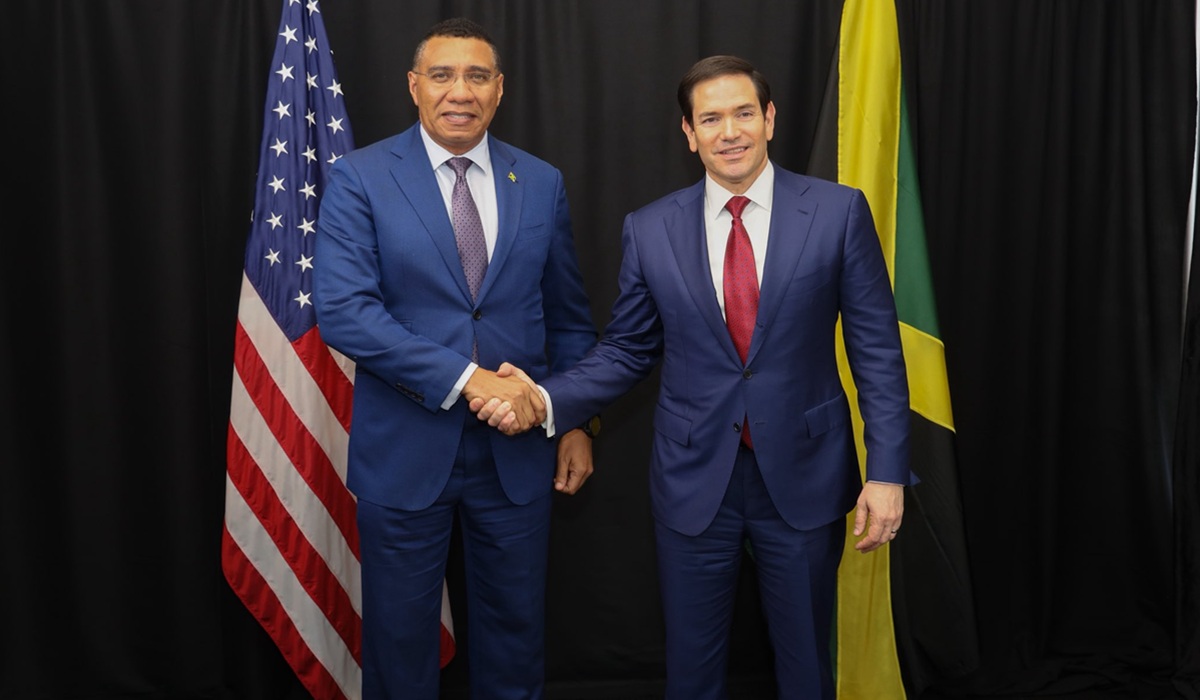
The current tension between Jamaica and the United States did not erupt in a vacuum. It comes directly on the heels of recent high-level talks involving U.S. Secretary of State Marco Rubio and Jamaican Prime Minister and Caribbean leaders, where regional security, migration, and Cuba’s deteriorating energy situation were central themes. In diplomatic language, the meetings were framed as cooperative. In political reality, they exposed a familiar fault line between Washington’s long-standing hardline stance on Cuba and the Caribbean’s more pragmatic approach to survival and regional solidarity.
Rubio’s posture toward Havana is not new. For years, he has taken an aggressive position against the Cuban government, advocating for sustained sanctions, tighter economic pressure, and policies designed to weaken the current leadership. His political roots in Florida, where Cuban-American voters hold significant influence, help explain the intensity of that stance. For Rubio and like-minded policymakers, pressure is framed as moral clarity. For Caribbean governments, it often feels like economic strangulation spilling into their own backyard.
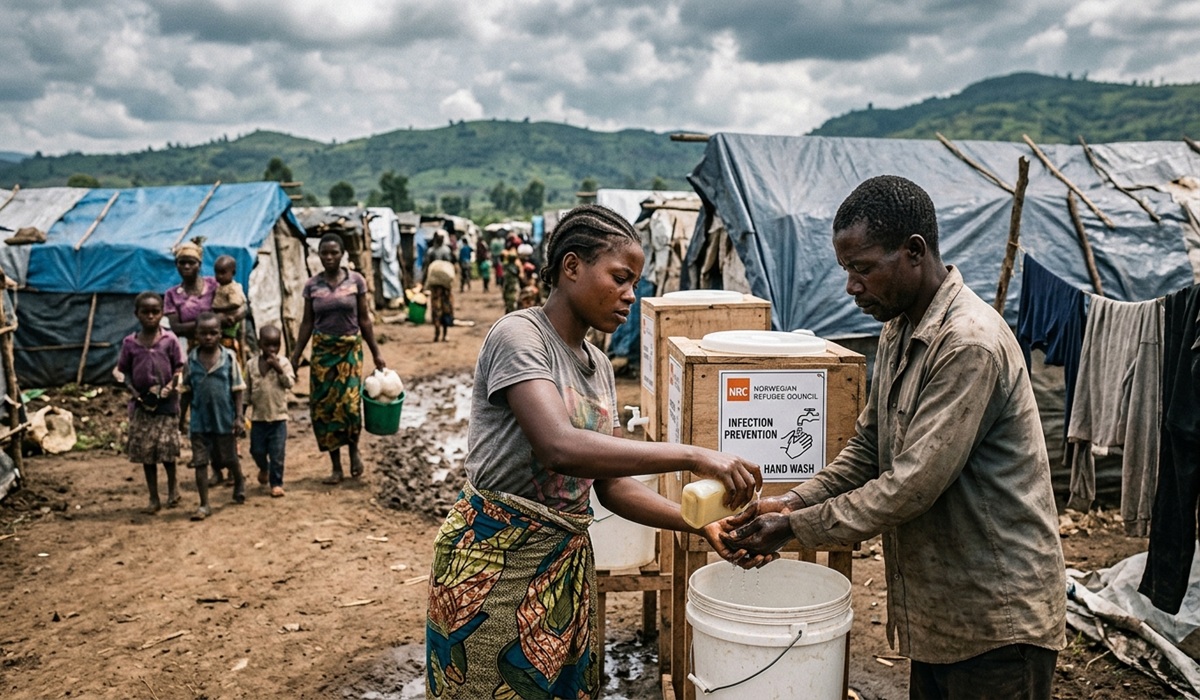
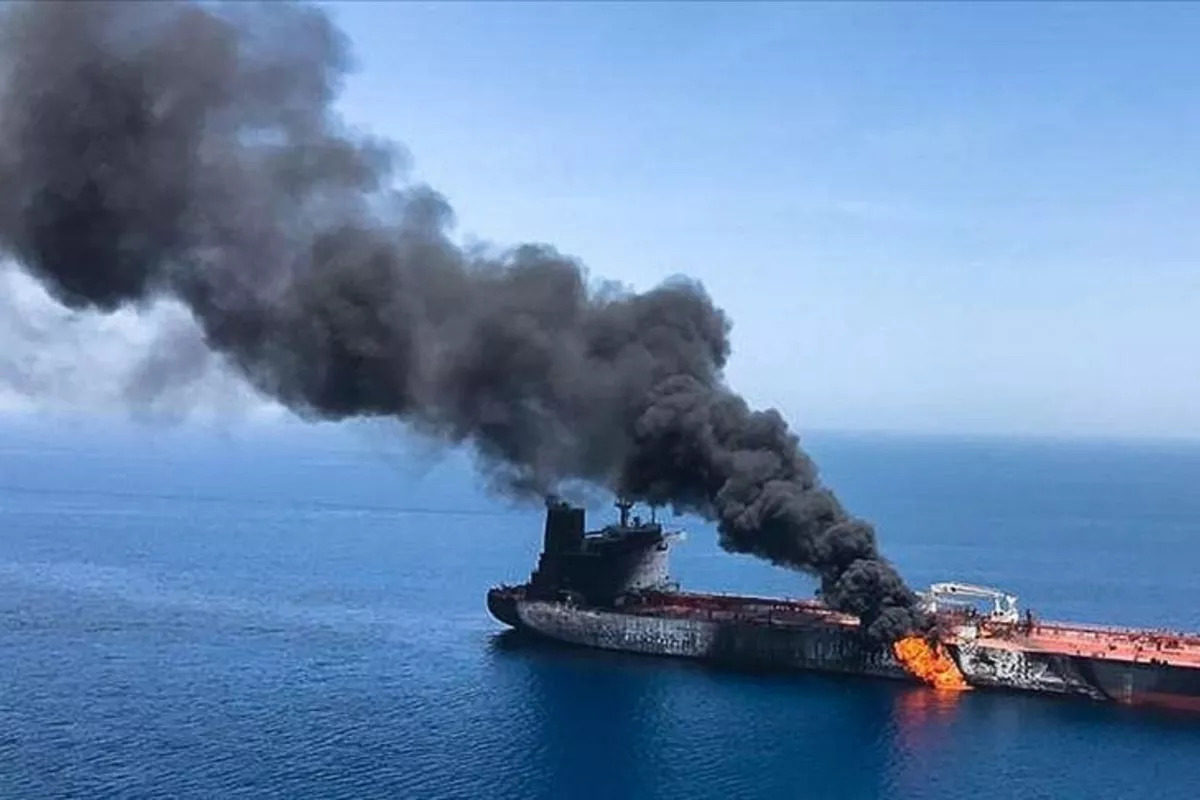
One of the most consequential elements of this latest phase is the U.S. effort to restrict or block oil flows reaching Cuba. Energy shortages on the island have already triggered blackouts and economic strain. When oil shipments are disrupted, the consequences are not abstract. Hospitals, public transit, food distribution networks, and basic utilities are affected. Caribbean nations understand that instability in Havana does not stay contained within its borders. Migration spikes, trade disruptions, and humanitarian pressures quickly ripple outward.
Compounding this is the increasingly open language in some U.S. political circles about regime change. Whether framed as support for democracy or as a pressure tactic, the implication is clear: Washington seeks structural political transformation in Cuba. For many in the region, that rhetoric echoes a long history of interventionist policy in Latin America and the Caribbean. It reinforces the perception of a heavy-handed empire approach, where economic tools are wielded not merely to influence behavior but to reshape governments.
Jamaica’s leadership has publicly signaled concern for Cuba’s humanitarian situation and expressed solidarity rooted in decades of cooperation. Cuban doctors, teachers, and scholarship programs have played tangible roles in Jamaican society. This is not ideological nostalgia. It is lived experience. When Washington responds with warnings of “consequences,” the tone resonates as coercive rather than collaborative.
The accusation of hypocrisy surfaces because the United States often champions sovereignty and partnership while simultaneously leveraging sanctions and economic pressure to direct smaller nations’ choices. Caribbean governments are told they are sovereign, yet reminded that alignment with Washington carries benefits and deviation carries risk. That contradiction is difficult to ignore, particularly in a region with a deep memory of external control.
For Jamaica, the strategic challenge is delicate. The United States is a crucial trade partner, tourism source, and security ally. No responsible Jamaican government can pretend otherwise. Yet there is also a matter of dignity. Regional cooperation with Cuba on health and education predates this moment and serves Jamaican citizens directly. Framing such cooperation as defiance distorts its purpose.
This confrontation also highlights a broader Caribbean anxiety: that geopolitical rivalries are being projected onto small island states without sufficient regard for their vulnerabilities. Energy shocks, climate pressures, and economic fragility leave little room for ideological theatrics. What Washington may treat as strategic leverage can translate into destabilization for its neighbors.
In that context, Jamaica’s strongest position is not profanity or reckless defiance, but firm clarity. Humanitarian solidarity does not equal political subversion. Regional stability is a legitimate national interest. Engagement with Cuba on practical matters does not constitute endorsement of every policy in Havana. If Washington wishes to maintain influence and goodwill in the Caribbean, it must recognize that partnership built on pressure has limits.
Ultimately, this episode is less about one statement and more about power dynamics. The meetings with Secretary Rubio signaled that U.S. policy toward Cuba remains rooted in confrontation. Jamaica’s response signals that Caribbean nations are increasingly unwilling to be treated as extensions of that confrontation. Whether this dispute escalates or cools will depend on whether dialogue replaces threats as the dominant tone.
About The Author