Image Credit: Military_Material
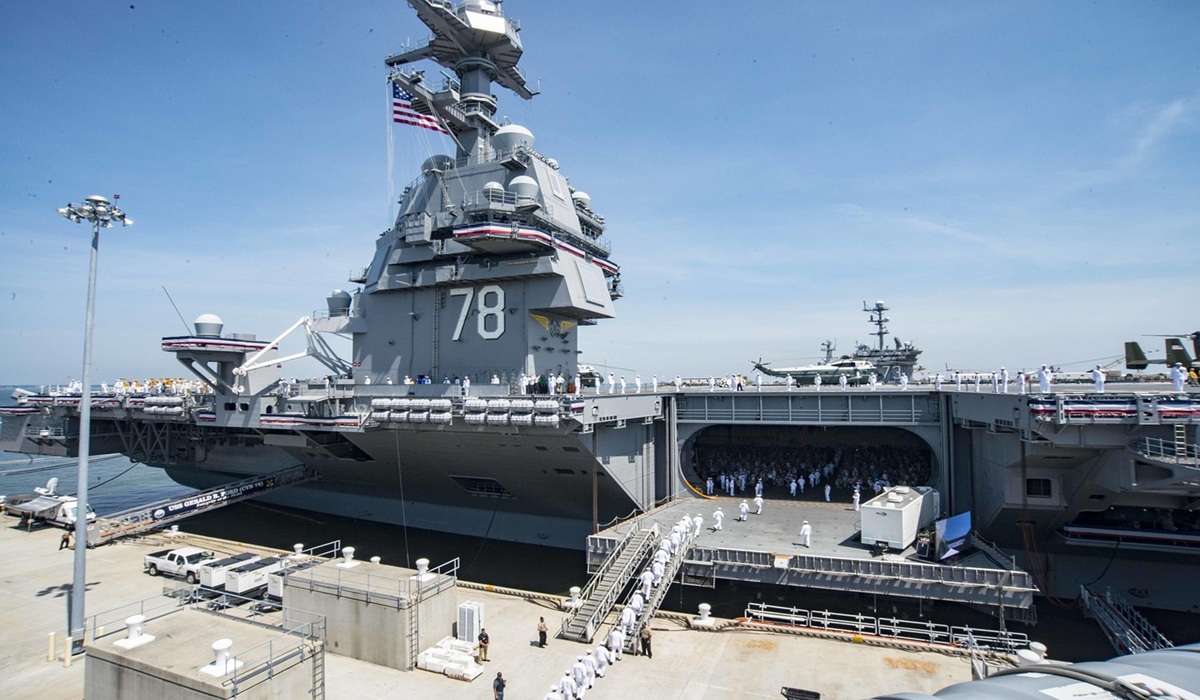
The USS Gerald R. Ford represents cutting-edge naval technology, yet behind the advanced systems and flight operations are thousands of sailors navigating the emotional weight of deployment. Reports surrounding extended missions have focused less on hardware and more on morale.
Long stretches at sea test endurance. Sailors live in tight quarters, sharing bunks and facilities with little privacy. When sanitary systems experience strain under the demands of a massive crew, daily routines become harder. Waiting in line for showers or dealing with maintenance issues can amplify frustration in an already confined environment.
Beyond physical conditions lies the deeper concern of uncertainty. For some crew members, the possibility of escalation in global tensions raises personal fears about not returning home. Missing family milestones or funerals can intensify that emotional burden. The psychological dimension of service often receives less attention than strategic objectives, yet it profoundly shapes morale.
Military leadership emphasizes resilience, counseling services, and communication with families as tools to sustain well-being. Morale is not merely about comfort; it influences readiness, cohesion, and effectiveness. The experience aboard the Ford underscores that even the most advanced vessel depends on the human spirit of those who serve on it.
Sailors often describe deployment as a paradox. There is pride in operating one of the most sophisticated carriers in the world, yet pride does not erase fatigue. Extended rotations compress time, blending days into one another under artificial lighting and the constant hum of machinery.
When morale dips, small gestures matter. Reliable communication home, functioning facilities, and consistent leadership presence can restore a sense of normalcy. In high-stakes environments, psychological stability is as vital as tactical capability. Sustaining that balance remains an ongoing challenge for any modern navy.
Extended uncertainty can magnify every inconvenience. Concerns about global flashpoints and the possibility of combat operations create a backdrop that is never entirely absent from daily life onboard. For younger sailors especially, thoughts about mortality and unfinished dreams can surface quietly in the margins of routine.
Ultimately, morale is sustained not only by policy but by camaraderie. Shared hardship often builds bonds that endure long after deployment ends. In the tight corridors of a carrier at sea, collective resilience becomes both shield and anchor.
About The Author