A Nation Divided: Inside President Trump’s Contentious State of the Union Address
- TDS News
- U.S.A
- February 25, 2026
By: Donovan Martin Sr, Editor in Chief
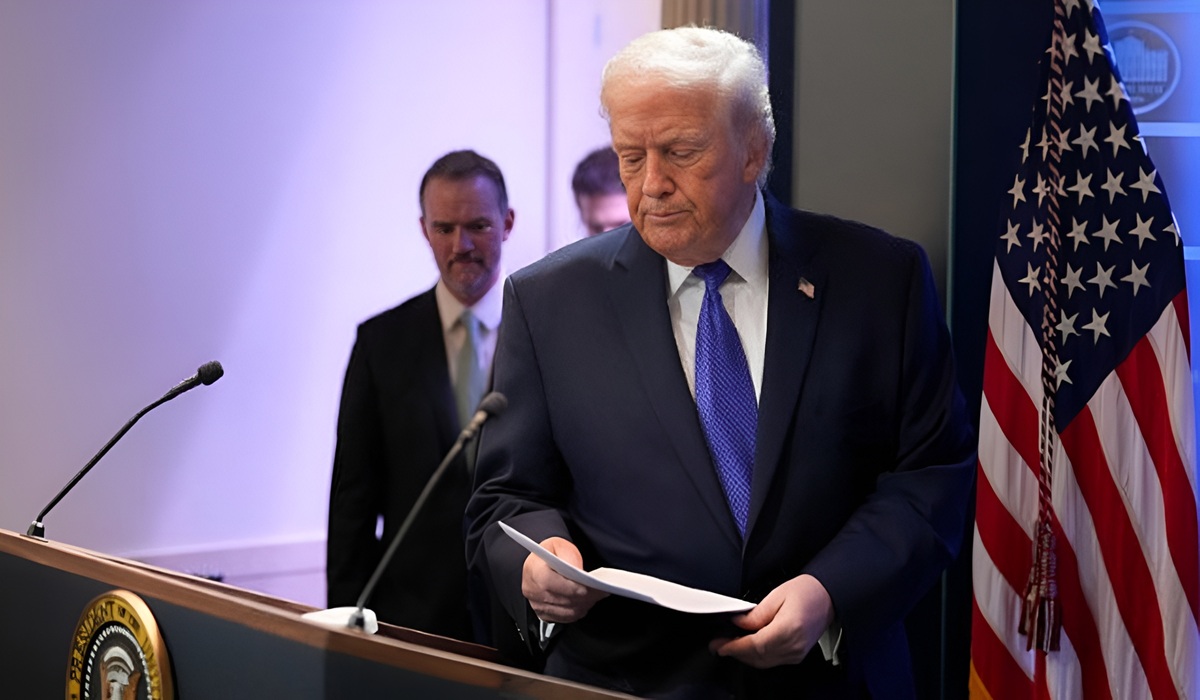
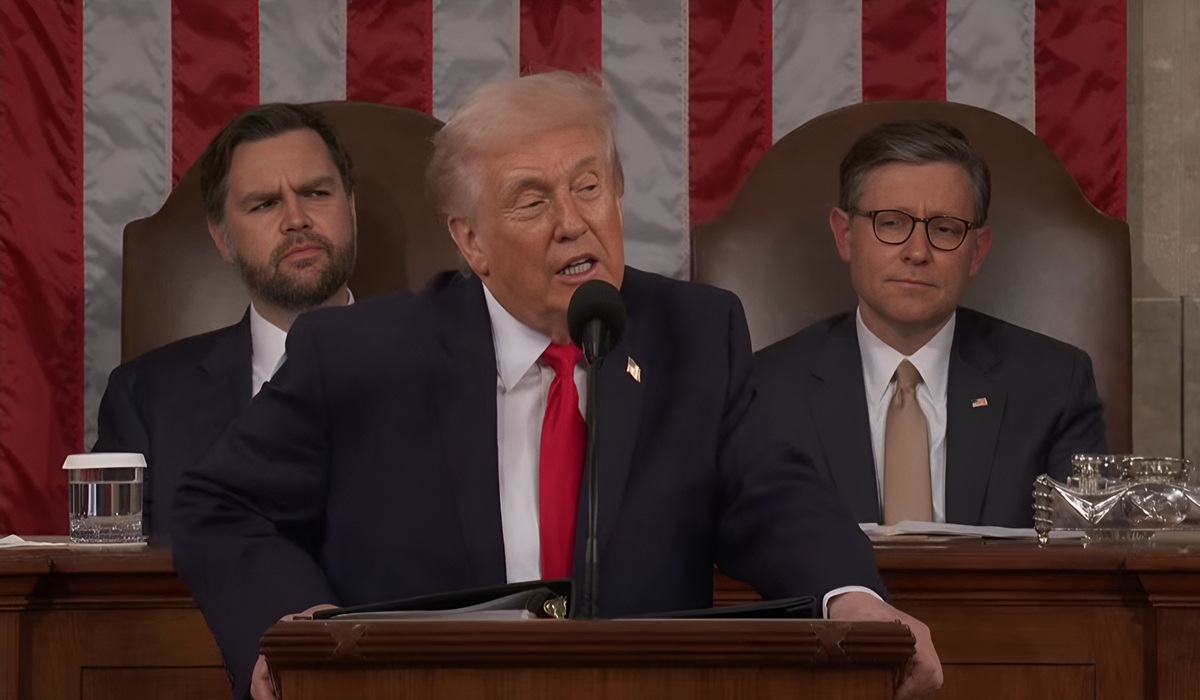
Last night inside the chamber of the United States Capitol, current U.S. President Donald Trump delivered a State of the Union address that felt less like a ceremonial update and more like a political battleground. It was long, forceful, and unapologetically partisan. Applause thundered from one side of the aisle while visible frustration hardened the faces on the other. The mood in the room told its own story long before the speech ended.
From the opening moments, the president projected confidence. He described an America that is economically resurgent, globally respected, and firmly in control of its borders. Supporters rose repeatedly in standing ovations, many nodding emphatically as he declared that inflation had been tamed, illegal immigration had collapsed to near zero, and foreign governments were “paying billions” through tariffs. The tone was triumphant. The imagery was deliberate. The message was clear: the country is winning.
Yet outside the chamber, and even within it, that narrative met resistance. Several of the president’s central claims quickly drew scrutiny. He asserted that inflation is at its lowest point in years and suggested everyday Americans are seeing broad relief. While inflation has cooled compared to peak levels, many families continue to face elevated grocery, housing, and insurance costs. Economists point out that while the rate of increase has slowed, prices themselves remain significantly higher than they were just a few years ago. For households living paycheck to paycheck, that distinction matters.
On immigration, the president declared that unlawful border crossings have effectively been eliminated. Data from federal agencies show a substantial decline in encounters compared to previous highs, but crossings have not fallen to zero. Border policy has clearly shifted, yet the absolute language used in the speech stretched beyond the available numbers.
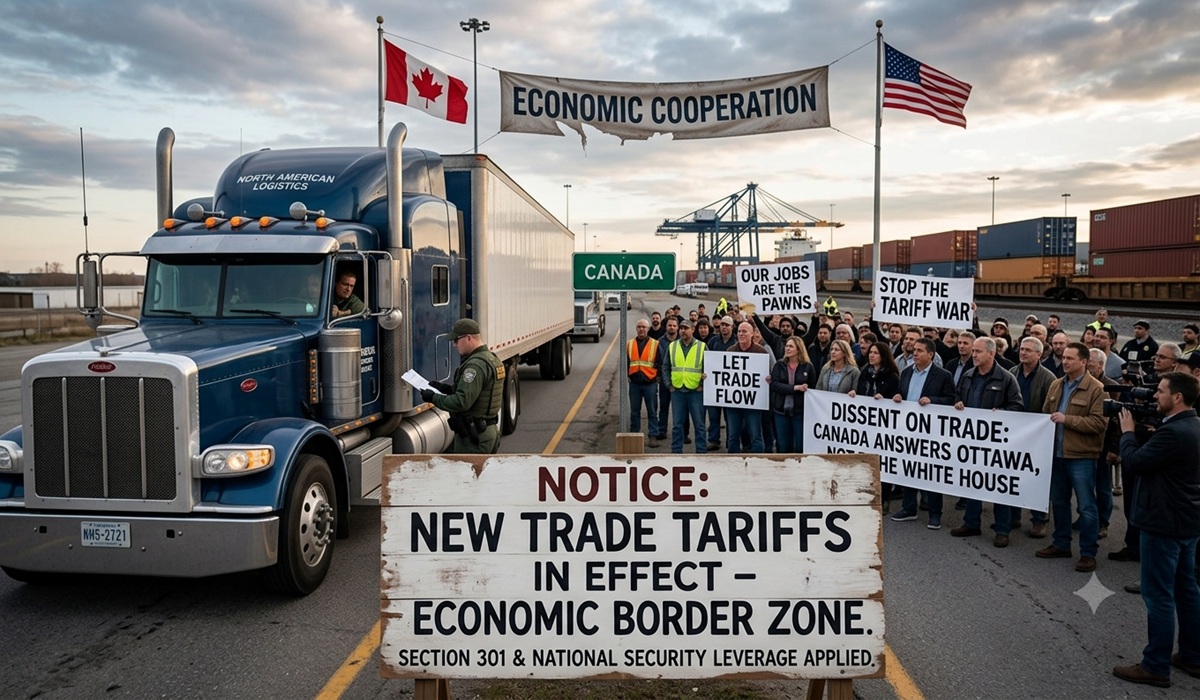
Trade was another flashpoint. The president repeated his longstanding position that tariffs are paid by foreign nations. Economists across the political spectrum have consistently argued that while tariffs are imposed on imported goods, the costs are largely absorbed by U.S. importers and often passed along to American consumers through higher prices. It is a complex economic mechanism, but the simplified framing presented last night glossed over that nuance.
Perhaps the most contentious moment came when the president revisited claims about election integrity, again suggesting widespread fraud in past elections. Numerous court rulings and independent investigations have found no evidence of systemic voter fraud that would alter national outcomes. The assertion energized his base but drew visible frustration from members aligned with the Democratic Party, some of whom shook their heads or remained seated during applause lines.
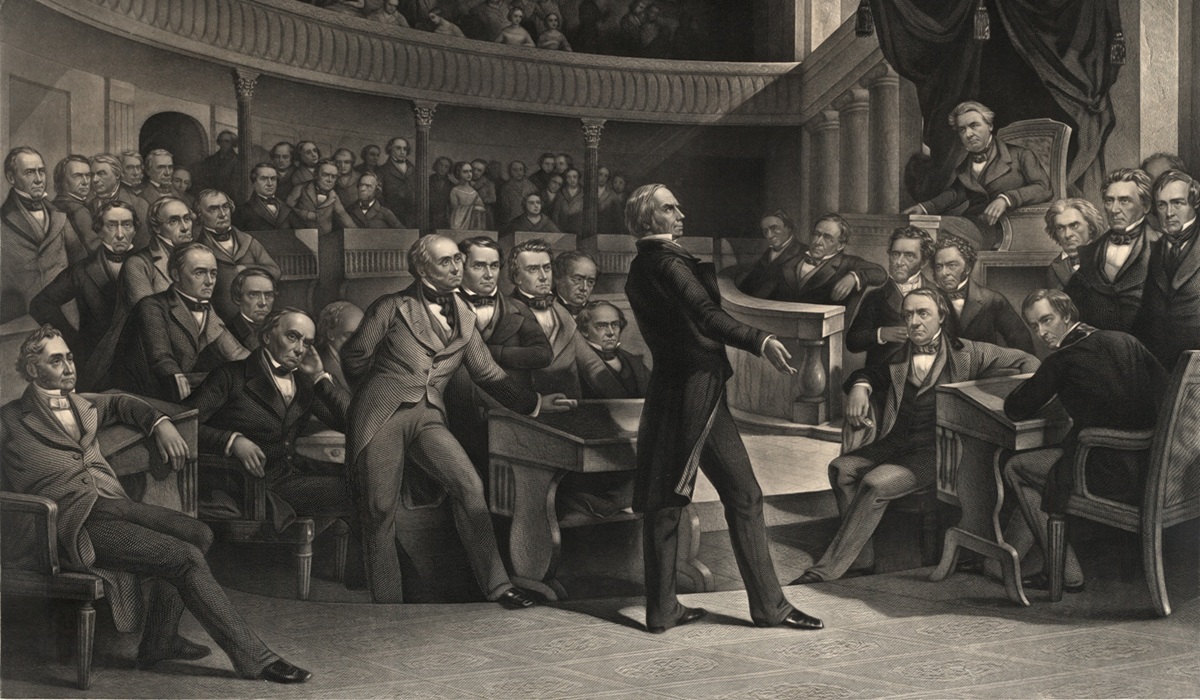
The chamber reflected the broader political divide. Members of the Republican Party cheered enthusiastically, chanting support at times. Across the aisle, some lawmakers sat stone-faced, while a handful chose not to attend at all. At one point, raised voices interrupted the speech briefly, underscoring how little common ground currently exists between the two parties.
What stood out most was not simply disagreement, but the absence of the traditional unity that once defined these annual addresses. Historically, State of the Union speeches have offered at least a symbolic nod to bipartisanship, moments where both sides rise together for shared causes such as supporting veterans, honoring fallen service members, or celebrating national achievements. While there were emotional moments and invited guests meant to humanize policy debates, even those instances felt filtered through partisan lenses.
Beyond the fact-checking debates, the emotional undercurrent of the evening was unmistakable. For supporters, the speech reinforced a sense of strength and momentum. They saw a president confident in his agenda and unafraid to confront critics directly. For opponents, the address felt more like a campaign rally than a governing document, heavy on sweeping declarations and light on detailed policy frameworks.
Public reaction mirrored that divide almost immediately. Social media feeds split along familiar lines. Cable news panels debated not only the accuracy of individual claims but also the broader question of tone. Was the president offering a governing vision meant to expand his coalition, or consolidating the base ahead of the next electoral cycle?
In truth, it was likely both. The address made clear that the coming months will be defined by sharp contrasts in messaging. Economic performance, border enforcement, trade policy, and the integrity of democratic institutions will remain central themes. Whether voters accept the president’s framing of those issues may depend less on last night’s rhetoric and more on their lived experience.
What cannot be disputed is that the atmosphere inside the Capitol reflected a country still wrestling with deep political polarization. Applause and silence, cheers and protests, optimism and skepticism all shared the same room. The speech may have projected certainty, but the chamber revealed tension.
In that sense, the State of the Union was not just about policy claims or disputed numbers. It was a portrait of a divided political moment — one where competing versions of reality coexist, and where the tone of leadership is as consequential as the statistics behind it.
About The Author