Lebanon: Another Ramadan in Displacement for Families in the South
- Hami Aziz
- Breaking News
- February 25, 2026
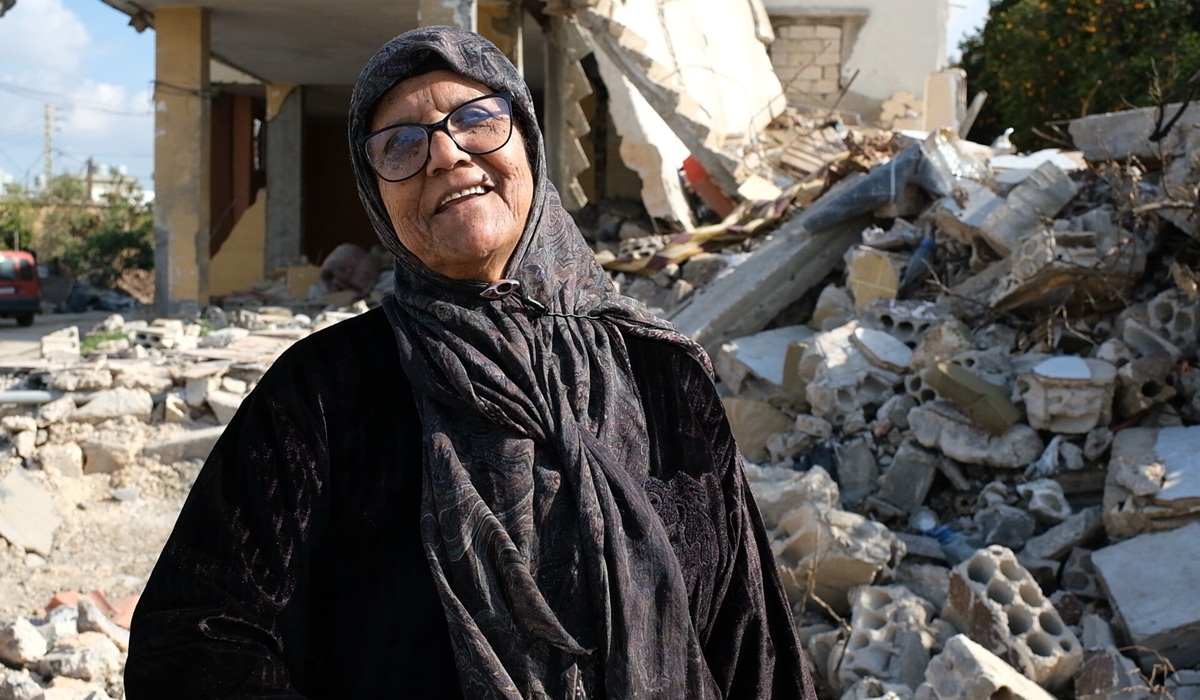
For tens of thousands of families in southern Lebanon, Ramadan has arrived once again in displacement. More than 64,000 people remain unable to return home, one year after a temporary ceasefire between Israel and Lebanon was expected to mark the beginning of something more permanent. Instead, the uncertainty has stretched on. What was meant to be a turning point has become another season of waiting.
The 2024 escalation left behind widespread devastation. Over 160,000 housing units were destroyed or damaged, roughly ten per cent of the country’s pre-conflict housing stock. Entire neighborhoods near the Blue Line were flattened. Water systems, roads, farmland, and other civilian infrastructure were heavily impacted. The World Bank estimates physical damage to assets at approximately 6.8 billion US dollars, alongside billions more in broader economic losses.
What makes the situation particularly stark, humanitarian groups say, is the absence of serious reconstruction investment. “We continue to see the long-term consequences of months of destructive conflict as this is a rare instance where post-war has not been met with donor investment to support the most vulnerable,” said Maureen Philippon, country director for the Norwegian Refugee Council. “Families should be able to rebuild their lives, but ongoing attacks and insecurity are undermining reconstruction. This is another Ramadan that people will spend in harsh conditions.”
The ceasefire, which took effect on 27 November 2024 after 66 days of intense escalation, was initially scheduled to expire in January 2025 before being extended to mid-February. The extension briefly raised hopes that displaced families might return safely and begin rebuilding. Nearly a year later, near-daily Israeli air attacks and ground incursions in the south continue to disrupt that possibility. Many remain unable to return to their homes, access their agricultural fields, or restore a stable routine.
In the border village of Zaloutieh, the destruction is so severe that return feels impossible. Khawla, now displaced in Tyre, described what remains. “Our village is wiped out. There is no possibility of living there. We are still displaced because we have nothing to return to.”
Others have gone back not because conditions are safe, but because they could no longer afford to stay away. In Naqoura, Abo Ali returned to his damaged home after rent elsewhere became impossible to sustain. “I rehabilitated one room so we can stay there. The conditions are very hard, but we have no other option.”
That pattern is increasingly common. Families live in partially repaired structures, confined to a single usable room. Others crowd together with relatives in the least damaged houses they can find. Burned homes, collapsed roofs, and unstable walls remain a daily reality.
“For many who returned, the reality has been harsh,” Philippon said. “Homes have been burnt, reduced to rubble, or remain unsafe to inhabit.”
The broader impact remains staggering. An estimated 1.2 million people were affected by displacement during the escalation, according to the United Nations High Commissioner for Refugees. More than 64,000 remain displaced since October 2023, based on figures from the International Organization for Migration. The United Nations Interim Force has documented thousands of airspace and ground violations since the ceasefire, underscoring the fragility of the arrangement.
The crisis now sits in a difficult middle ground. Those who remain displaced struggle with rising costs and shrinking savings. Those who return face damaged homes and limited access to water, electricity, and public services. Agricultural livelihoods across the south remain disrupted by insecurity and land damage.
The Norwegian Refugee Council continues supporting households through shelter rehabilitation and communal infrastructure repairs, including restoring access to water. One family that received assistance described the repairs simply: “When it was completed, we could finally come back and start again.”
Yet humanitarian officials warn that without significantly scaled-up donor support, these efforts will not match the scale of destruction. As Ramadan unfolds, a month traditionally centered on reflection and community, many families are instead navigating uncertainty, damaged homes, and interrupted lives. A year after hopes for a permanent ceasefire first emerged, stability remains fragile, and for thousands, the path home is still out of reach.
About The Author