Winnipeg City Hall Silent on Police HQ Insurance — Are Taxpayers Picking Up the Tab?
- Don Woodstock
- Canada
- February 24, 2026
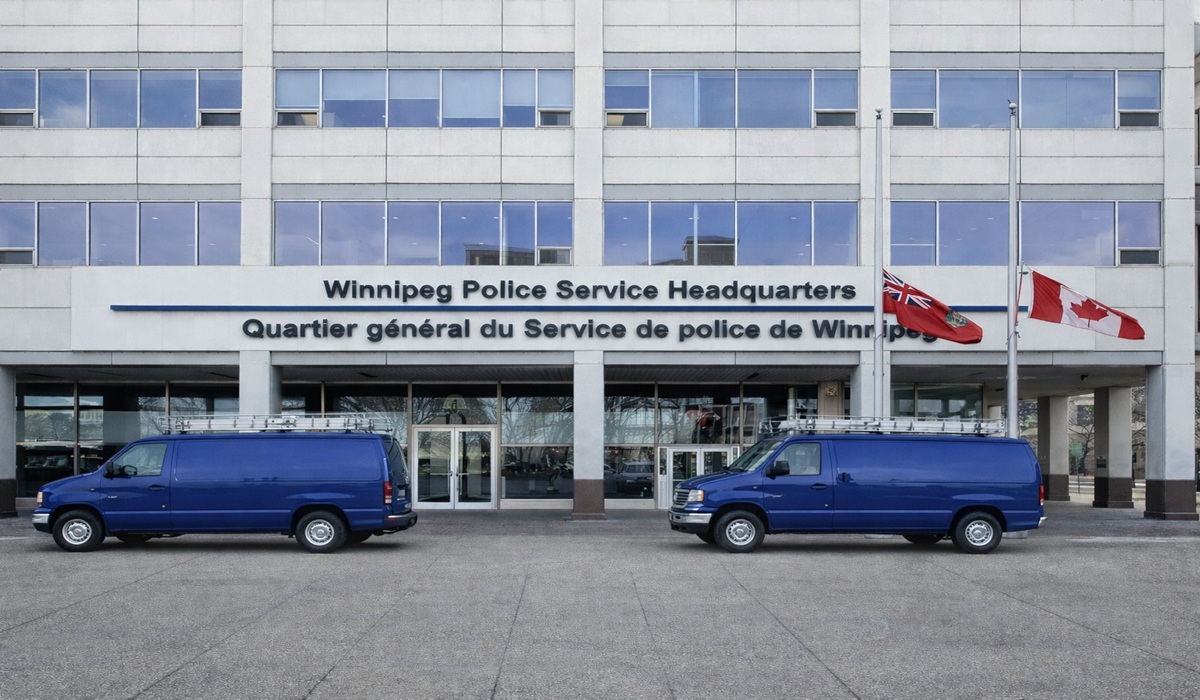
It has now been well over a week since significant water damage struck Winnipeg Police Headquarters, and residents still do not know how the financial consequences will be handled. The flooding occurred after two individuals tampered with emergency water valves inside the connected tower stairwell, according to the Winnipeg Police Service. Both individuals have since been arrested, charged and released. Water surged through sections of the complex, affecting police work areas and space used by Canada Post and other offices/tenants. Restoration crews moved in quickly. Ceilings were saturated, floors soaked, and equipment shielded to prevent further damage. The cleanup remains visible, and the costs will not be minor.
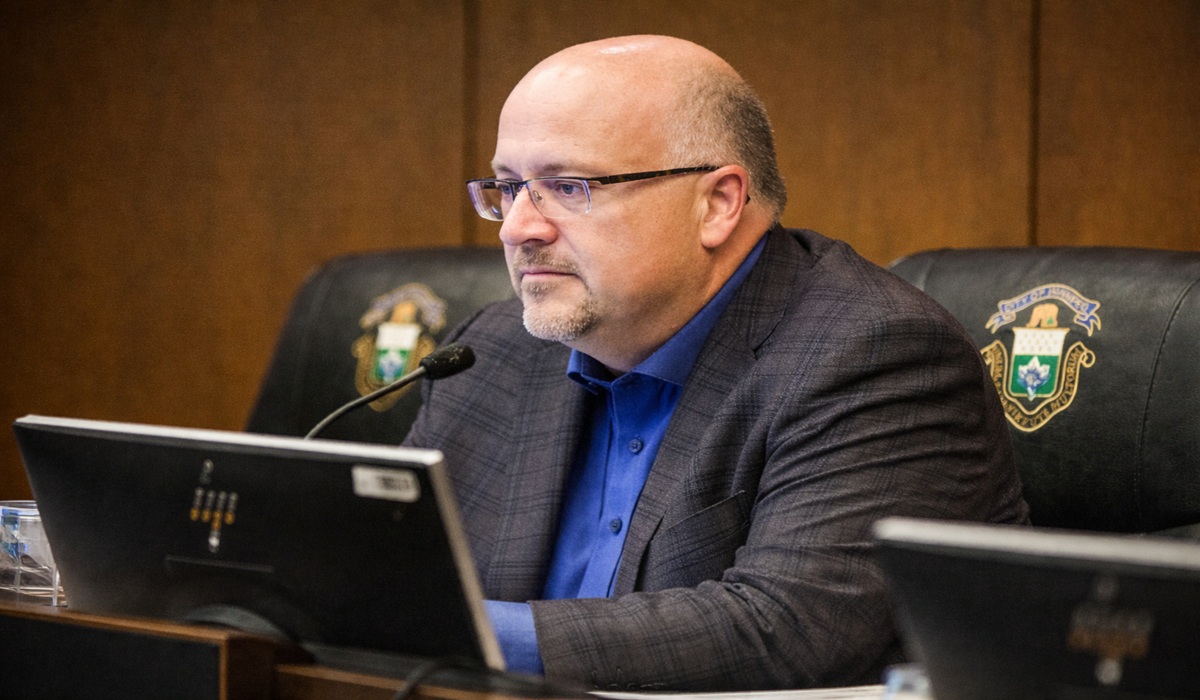
Ten days ago, The Daily Scrum News submitted a formal media inquiry to the City of Winnipeg’s communications department and directly to Mayor Scott Gillingham’s office seeking clarity on the building’s insurance position. The questions were straightforward: is the headquarters fully insured for this type of loss, what deductible applies, are there any limits tied to water damage, and is the City retaining any portion of the risk that would require municipal funds to absorb part of the repairs? These are administrative facts contained in policy documents. The City has chosen not to respond.
This is not the first time inquiries from The Daily Scrum News have gone unanswered. A pattern of silence in response to legitimate questions raises a serious concern. When a mayor campaigns on transparency and open communication, residents reasonably expect timely and clear engagement on matters involving public money and public risk. Continued non-response forces an uncomfortable question: is this an oversight, or has withholding information become deliberate? If this is the current interpretation of transparency, it warrants reflection.
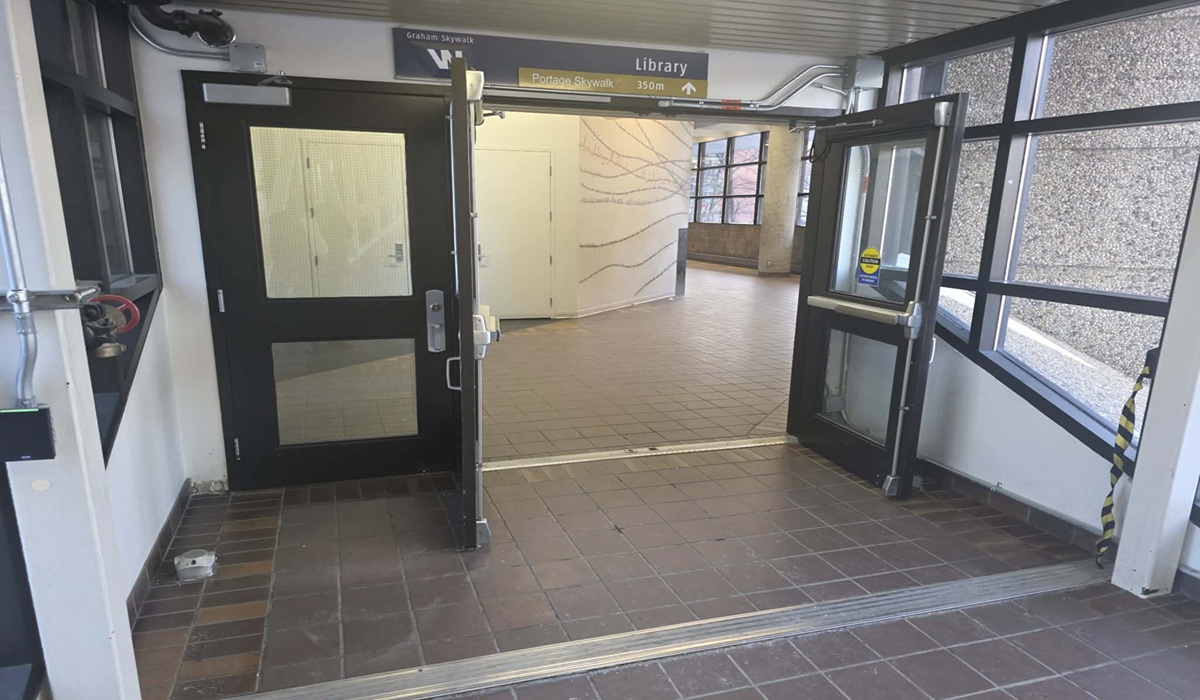
Insurance in practical terms determines who pays. If coverage is broad and deductibles are manageable, an insurer covers most of the repair and remediation after the City pays its portion. If deductibles are high, or if certain types of water damage are limited because of prior claims, the City’s share increases. If the City carries part of the risk internally, that portion comes directly from public funds. These distinctions matter because remediation in a multi-level concrete facility involves mechanical drying, ceiling replacement, electrical inspection, and potential mold assessment. The scale of the work suggests the financial exposure could be significant.
The insurance issue also extends beyond structural repairs. When flooding affects shared occupancy space, business interruption losses can follow. If other occupants experience suspended operations, damaged inventory, or restricted access, claims for lost income may arise. Those claims can be substantial. Whether an insurer responds fully or whether municipal funds absorb part of that exposure depends entirely on the structure of the policy in place. Without clarification, taxpayers are left uncertain about where that responsibility sits.
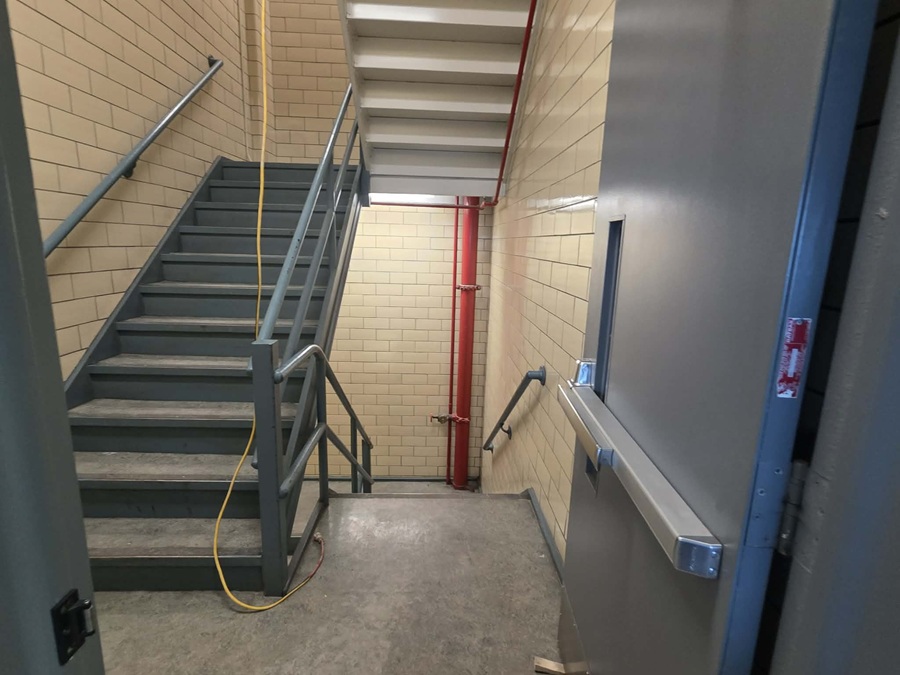
A walk through the connected stairwells in recent days revealed additional concerns about site control. Electrical extension cords were observed hanging from floor to floor throughout sections of the stairwell. Whether part of temporary restoration measures or mitigation work, they are plainly visible and create tripping hazards in a building that remains accessible. In any commercial environment, unsecured cords in common pathways would be considered a liability risk. Temporary conditions do not eliminate responsibility if someone is injured.
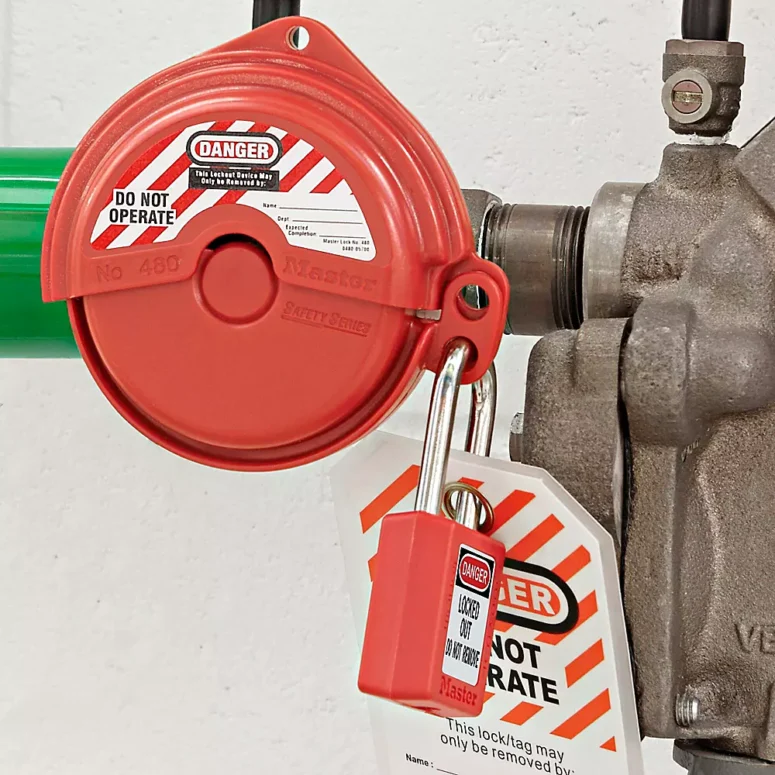
More concerning is what remains visibly exposed. There was no clear indication that a mechanical safeguard has been installed on the water valves that were tampered with. A simple device known as a gate valve lockout, commonly available for roughly thirty dollars, can physically prevent a valve handle from being turned while still allowing emergency personnel full access, similar to other standard lockout systems. It is unfortunate that such a measure may now be necessary in a civic building, but without visible deterrents, there is nothing preventing another act of tampering. The valves and associated pipes, along with other exposed plumbing lines extending toward connected areas including the library and adjacent spaces, remain accessible within the broader complex.
The City of Winnipeg maintains a department dedicated to risk management. Residents are entitled to expect that foreseeable vulnerabilities are addressed swiftly and decisively. If critical infrastructure can be accessed and manipulated in a publicly connected corridor, and if simple, inexpensive safeguards are not visibly implemented after an incident, it is reasonable to question whether current practices reflect the standard of risk management taxpayers are funding.
A rotating security guard was observed, but personnel presence does not replace structural controls. Effective security in facilities of this scale is layered and preventative. As the proprietor of JamRock Security Solutions, I can say that vulnerability assessments and targeted mitigation strategies are routine components of responsible facilities management. If assistance is required to assess and reinforce exposed infrastructure, that expertise exists locally.
The headquarters has a documented history of controversy and prior water-related damage. That history makes clarity especially important. When a publicly funded building experiences another significant flooding event, visible safety questions remain, and insurance details are not disclosed, uncertainty grows.
In matters involving public infrastructure and public funds, clarity is not optional. Taxpayers deserve to understand how this loss is being managed, whether they are financially protected, and whether corrective safeguards have been implemented without delay. When straightforward questions remain unanswered ten days later, concern is not only understandable, it is inevitable.
About The Author