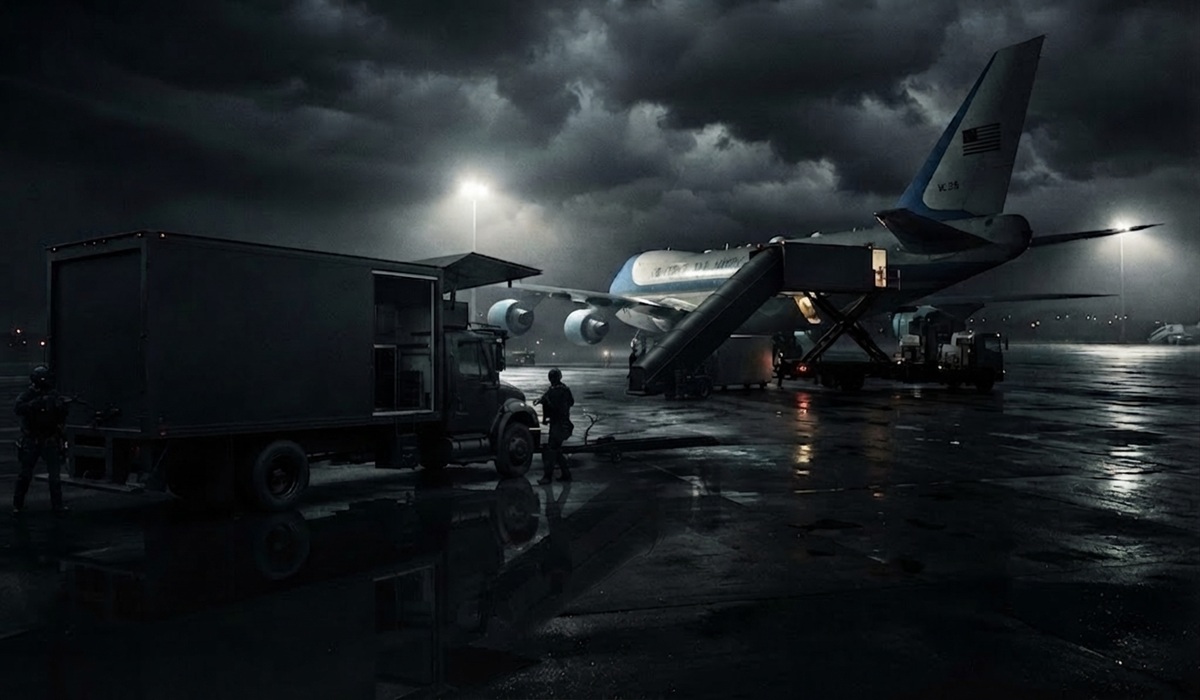
Gathering Storm: Reports of Imminent U.S. Strikes on Iran Raise Global Alarm
- Ingrid Jones
- U.S.A
- February 22, 2026
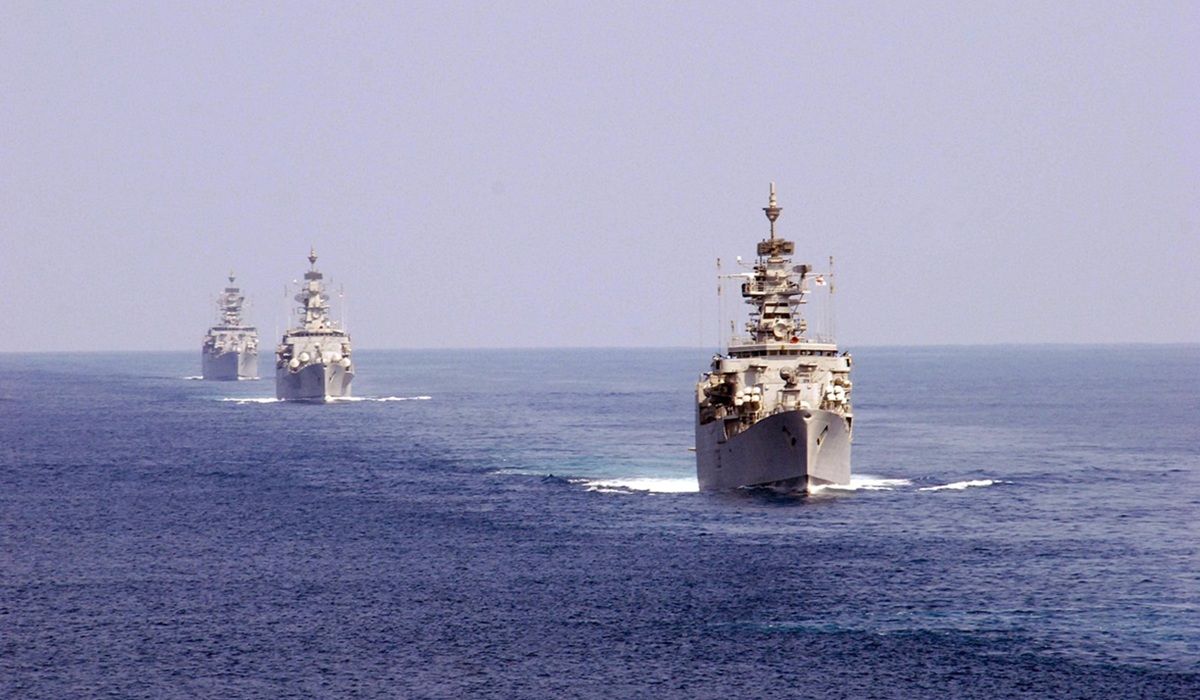
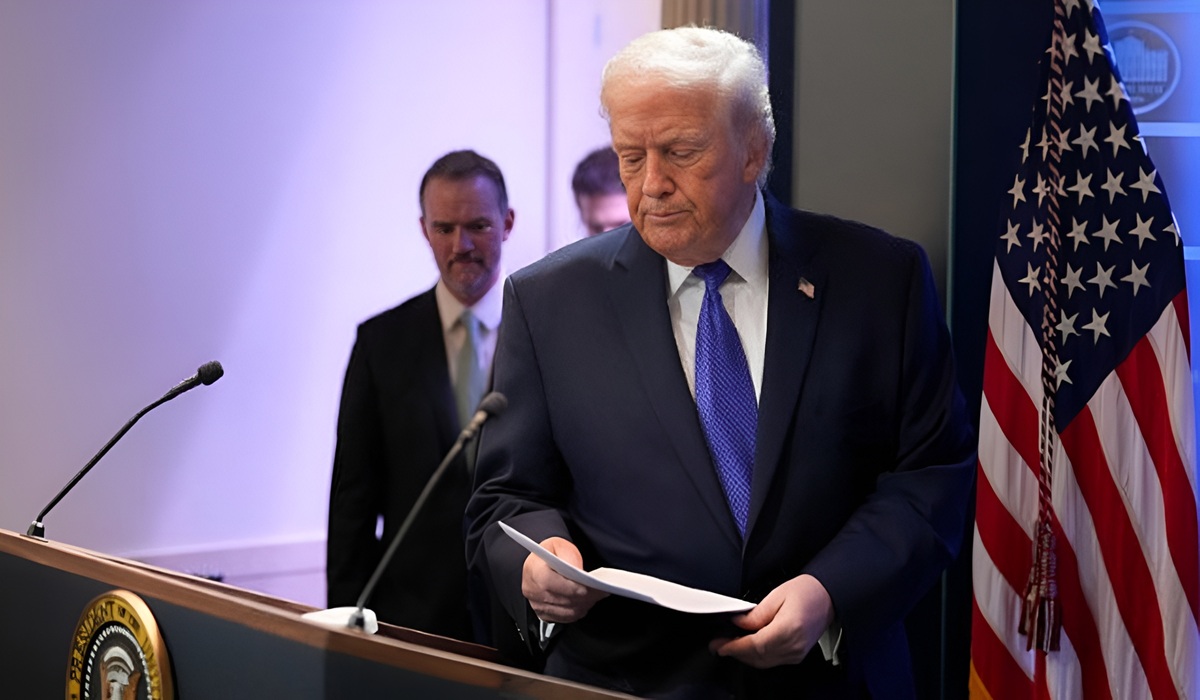
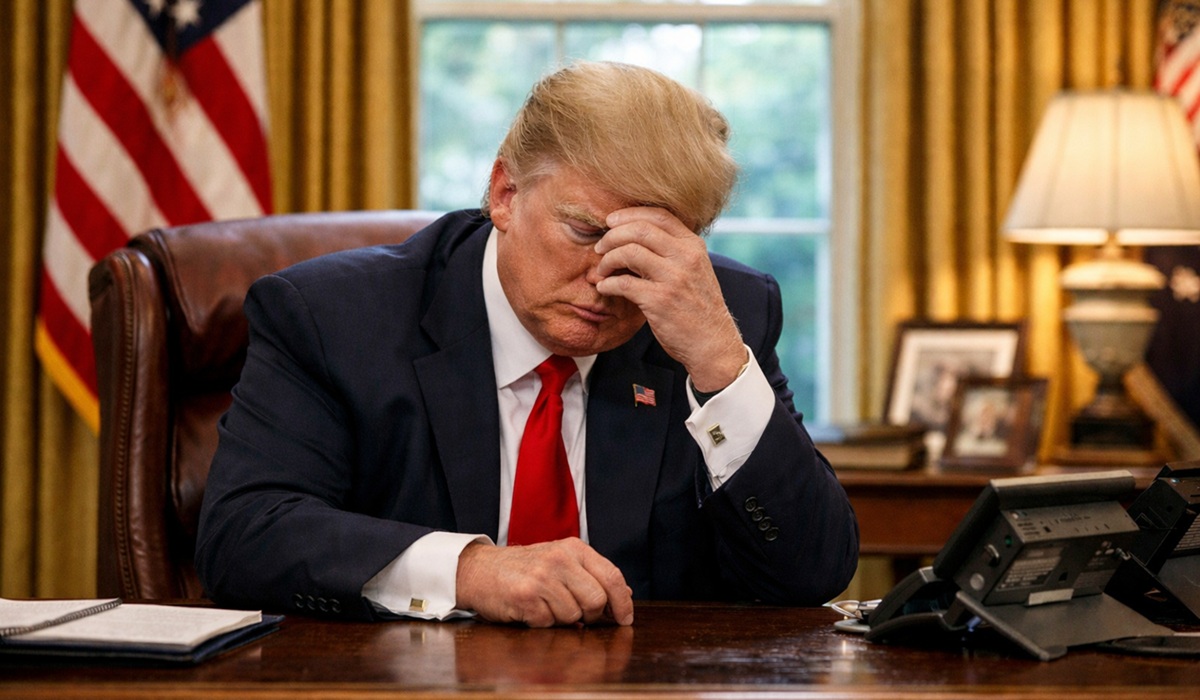
Reports circulating in Washington suggest that President Donald Trump has authorized strike orders targeting Iran within the next forty-eight hours, following the positioning of U.S. aircraft carrier groups in the region. While official confirmation remains limited, the scale of military assets now in place has intensified speculation that the United States may be on the brink of direct confrontation with Tehran.
The possibility of imminent strikes carries immense consequences. Iran is not an isolated actor with limited reach. It maintains alliances and proxy relationships across the Middle East, including in Lebanon, Syria, Iraq, and Yemen. Any American strike could trigger retaliatory actions not only against U.S. forces but also against regional partners. The Persian Gulf is a vital artery for global energy markets. Even limited conflict could disrupt shipping lanes and drive oil prices sharply upward, affecting economies far beyond the region.
Equally troubling is the diplomatic landscape. Several traditional allies have reportedly declined to offer airspace or basing support for an offensive operation, signaling discomfort with escalation. When allies hesitate, it reflects more than tactical caution. It signals concern about legal justification, proportionality, and long-term stability. Coalition warfare has long been a hallmark of U.S. foreign policy. Acting with diminished allied backing would represent a strategic shift that could strain relationships already tested by previous interventions.
There is also the human cost. Military strikes are never sterile events confined to targets on a map. Civilian infrastructure can be damaged. Miscalculations can spiral. Iran’s population includes millions who have little influence over their government’s decisions yet would bear the consequences of war. American service members deployed in the region would also face heightened risk. In an era where cyber capabilities and missile technology have advanced rapidly, escalation could unfold in unpredictable ways.
Critics argue that a rapid move toward strikes, particularly if framed as preemptive, risks sidelining diplomacy at a moment when backchannel negotiations might still be viable. They point to the lessons of past Middle Eastern conflicts, where initial objectives proved narrower than eventual outcomes. Supporters of a hard line counter that deterrence sometimes requires visible resolve and that delayed action can embolden adversaries.
The sadness surrounding these reports lies in the narrowing space for dialogue. Once missiles fly, narratives harden. Domestic politics on all sides become more rigid. Allies are forced to choose positions quickly. Markets react. Families brace for uncertainty. The world has seen how quickly regional tensions can metastasize into prolonged conflict.
Whether these strike orders are ultimately executed or serve as leverage in a broader strategic calculation, the moment underscores how fragile the current geopolitical balance has become. The next forty-eight hours may determine not only the trajectory of U.S.–Iran relations but also the stability of a region already stretched thin by years of war and mistrust. Diplomacy, if it is to prevail, will require urgency equal to the speed of military preparations.
About The Author