Devastating US-Israel Agenda of Middle East
- Naveed Aman Khan
- Tiger's Eye Advisory Group - Trending News
- Middle East
- February 22, 2026
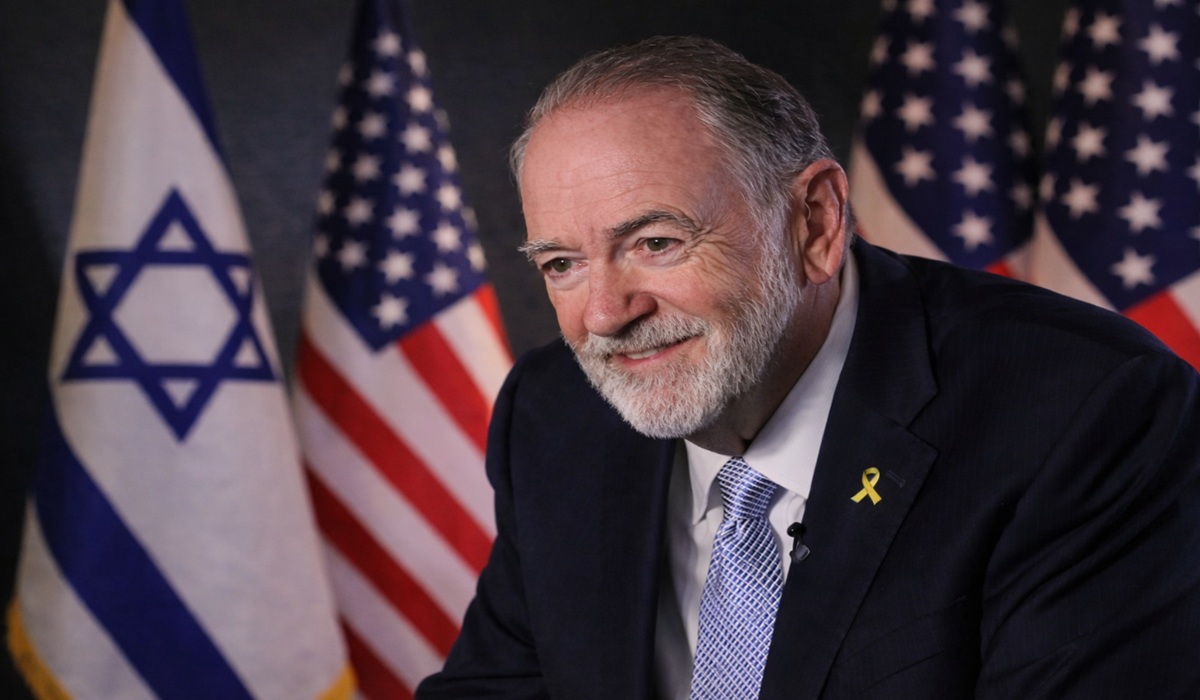
Recent statements from an American ambassador, suggesting that the United States would not object to further Israeli occupation in the Middle East, have renewed concerns about a coordinated strategy by Washington and Tel Aviv. While diplomatically couched, such statements reveal a deeper reality: the United States and Israel appear to be pursuing a shared agenda that could destabilize the region for decades, worsening humanitarian crises and undermining prospects for peace. Understanding the scope, consequences, and responsibilities arising from this policy is essential for policymakers, the international community, and Muslim nations alike.
The Middle East has long been a theater of strategic interest for global powers. The United States, in particular, has maintained a robust presence through military alliances, economic partnerships, and political influence. Israel, backed by significant U.S. military and diplomatic support, has consistently pursued territorial ambitions, often at the expense of Palestinian rights and regional stability. When an American official signals tacit approval for further Israeli occupation, it is not merely a rhetorical gesture—it reflects a policy framework that prioritizes strategic control over human rights and regional sovereignty.
The consequences of such a policy are severe and multifaceted. First, the humanitarian crisis in Palestine is likely to worsen. Forced displacements, destruction of infrastructure, and restrictions on access to basic resources such as water, electricity, and medical care could escalate, leaving millions in a state of despair. Second, continued expansionism fosters extremism and fuels anti-Western sentiment. Communities that witness the violation of their rights may resort to militancy, perpetuating cycles of violence. Third, the credibility of international institutions, including the UN, is at risk. When powerful nations appear to condone violations of international law, global norms are undermined, emboldening other actors to pursue unilateral agendas without accountability.
Muslim countries, as key stakeholders, face a critical challenge: how to counter this coordinated U.S.-Israeli strategy. Diplomacy must be central. Collective action through regional organizations such as the (OIC) can consolidate a unified stance on Palestinian rights, including formal condemnation of occupation and pursuit of legal mechanisms to uphold sovereignty. Economic and political leverage can also be applied. Countries with trade or aid ties to the U.S. or Israel can use these channels to press for adherence to international law and human rights norms. Additionally, fostering regional resilience—through education, economic development, and social cohesion—can reduce vulnerability to external manipulation and limit the appeal of extremist narratives.
The international community bears a parallel responsibility. Institutions like the UN, the International Court of Justice, and human rights organizations must maintain impartial oversight, investigate violations, and enforce international law. Powerful countries, beyond the U.S., have both a moral and strategic obligation to resist unilateral acts that destabilize regions. Public diplomacy and advocacy in global forums are crucial to maintain pressure on the perpetrators of occupation and prevent the normalization of aggressive expansion.
Religious and moral leadership within Muslim societies also plays a pivotal role. Scholars, clerics, and community leaders must educate the public about the historical context of occupation, the ethical dimensions of justice, and the necessity of nonviolent resistance. Mobilizing public opinion around human rights and regional stability can generate internal pressure on governments to adopt principled policies. Such moral leadership complements political strategies by framing the issue as not only a geopolitical struggle but a humanitarian and ethical imperative.
The implications of inaction are profound.
If the U.S.-Israeli trajectory continues unchecked, the Middle East could face prolonged conflicts resembling a perpetual state of war, with repeated displacements, sectarian strife, and economic collapse. Such instability would not remain confined to the region; global security, migration patterns, and international markets would all be affected. Moreover, the normalization of occupation as a political strategy would erode the rules-based international order, encouraging similar practices elsewhere and diminishing prospects for multilateral conflict resolution.
To avoid these outcomes, a comprehensive strategy is necessary. Muslim nations should strengthen diplomatic alliances to present a united front in global forums, use legal channels to challenge occupation, employ economic and strategic leverage to influence U.S. and Israeli policies, and invest in regional stability through education and infrastructure. Moral leadership and public diplomacy are also vital to raise awareness, promote nonviolent resistance, and counter narratives that justify occupation.
The American endorsement of Israeli expansionism is not a minor policy nuance—it is a deliberate design with far-reaching consequences for the Middle East. Muslim countries, in coordination with the broader international community, must recognize the gravity of this agenda and respond with strategic, legal, economic, and moral measures. Failure to act could entrench cycles of violence, erode global norms, and destabilize an entire region. Conversely, proactive engagement, principled diplomacy, and ethical leadership offer the possibility of mitigating the destructive potential of this US-Israel strategy, safeguarding the rights of the Palestinian people, and promoting sustainable peace in the Middle East. The path forward requires courage, unity, and unwavering commitment to justice.
About The Author