Tensions Rise as Iran Temporarily Closes Strait of Hormuz During Military Drills
- Hami Aziz
- U.S.A
- Middle East
- February 17, 2026
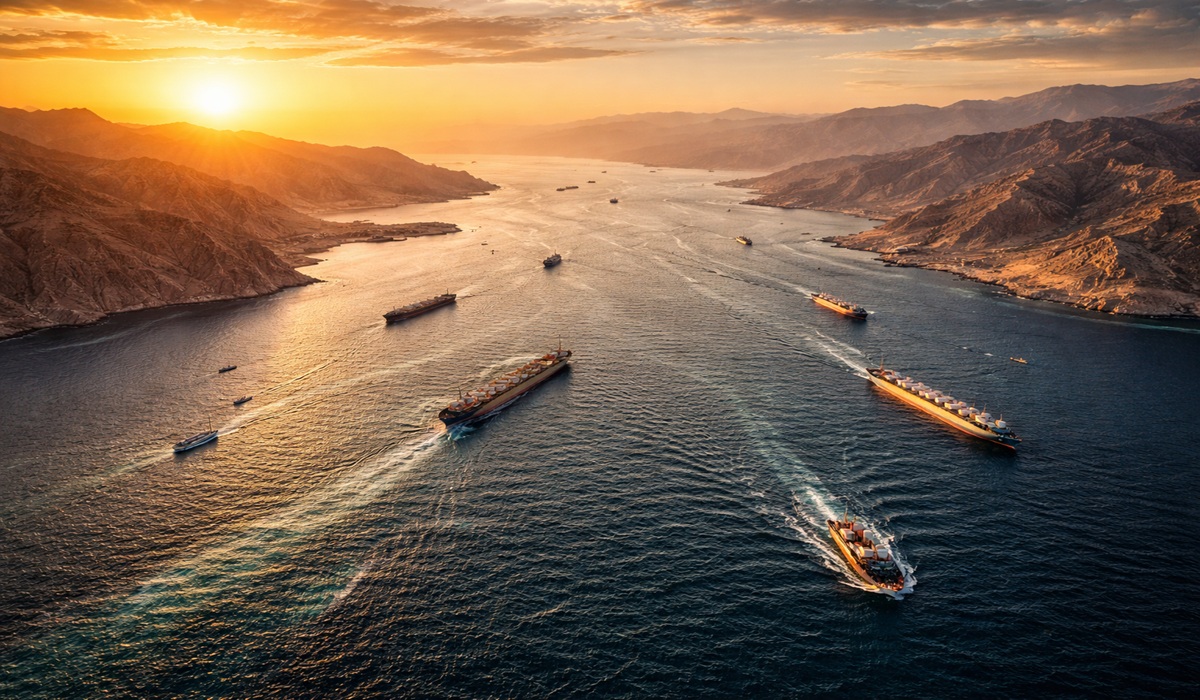
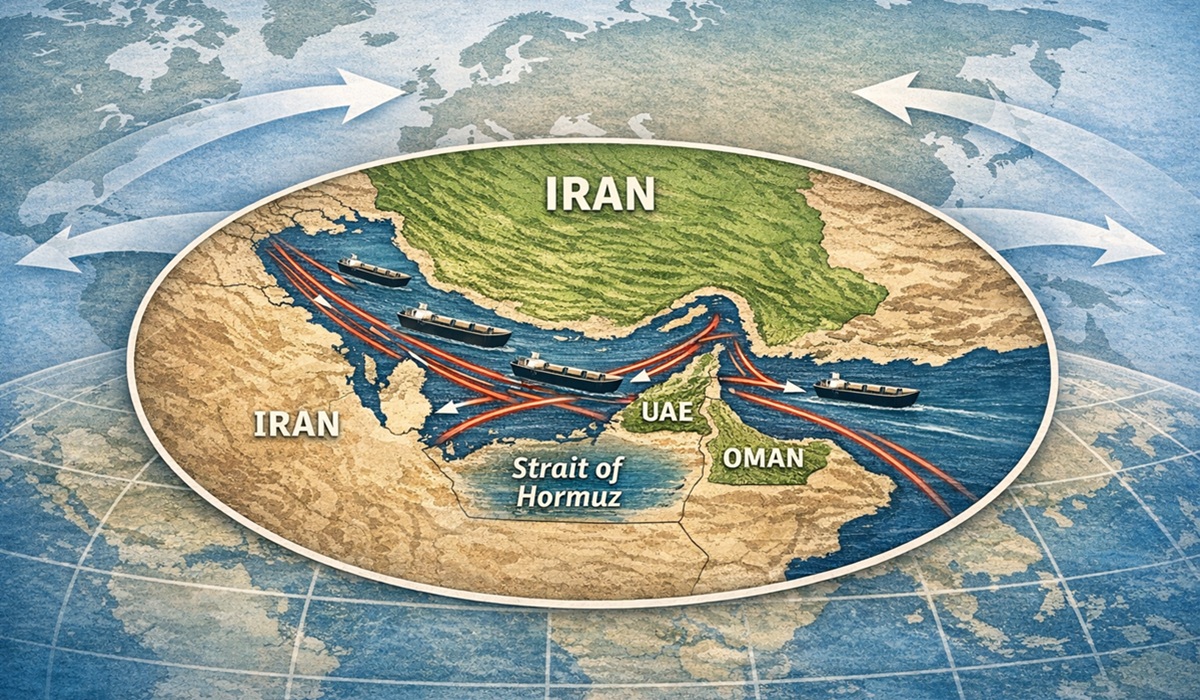
The temporary closure of the Strait of Hormuz during Iranian military exercises has sent a clear signal across the global energy market and diplomatic landscape. This narrow stretch of water, located between Iran and Oman, is one of the most strategically important shipping lanes on Earth. Every day, an estimated 17 to 20 million barrels of oil pass through this channel, representing roughly a fifth of the world’s petroleum supply. A large portion of that oil is destined for the United States and its allies in Europe and Asia, making the strait not just a regional concern, but a global one.
Iran’s decision to halt traffic in the area, even temporarily, is widely seen as a show of strength at a time when tensions with Washington are intensifying. Military drills in the region are not new, but the message behind this one feels more pointed. It serves as a reminder that Iran holds geographic leverage over one of the most critical arteries of global trade. When the strait slows or stops, the ripple effects can be felt from fuel pumps in North America to factories in Asia and shipping ports across Europe.
For decades, the Strait of Hormuz has been both a lifeline and a flashpoint. Oil from countries such as Saudi Arabia, Iraq, Kuwait, and the United Arab Emirates moves through this corridor before reaching international markets. Tankers line up daily to pass through its narrow waters, carrying energy supplies that power economies, keep supply chains moving, and maintain price stability. When that flow is interrupted, even briefly, the world takes notice.
The immediate concern whenever traffic is disrupted is the impact on oil prices. Markets tend to react quickly to uncertainty, and even the hint of instability can push prices higher. Higher oil costs do not stay contained within the energy sector. They affect transportation, food production, manufacturing, and heating. For everyday people, it can mean more expensive groceries, higher gas prices, and increased costs for goods and services. The longer a disruption lasts, the more deeply those effects spread.
Beyond the economic impact, the closure also carries a strong military and political message. Iran is effectively reminding the world that it has the ability to influence global energy supply in a moment of rising pressure from the United States and its allies. It signals that the region remains volatile and that any miscalculation could escalate quickly. While the current closure is tied to exercises, it underscores a broader reality that this chokepoint could become the center of a much larger conflict.
Security experts have long warned that any sustained shutdown of the Strait of Hormuz would have catastrophic consequences. With so much oil moving through such a narrow passage, there are few immediate alternatives if traffic is blocked. Tankers would have to reroute, shipments would slow dramatically, and reserves would be tested. Within days, energy markets could face significant shortages, and within weeks, the effects could begin to disrupt economies on a large scale.
For the United States and its partners, the situation is particularly sensitive. Many allied nations rely heavily on oil that travels through these waters. Any threat to that supply line raises strategic concerns and forces governments to consider both diplomatic and military responses. The presence of naval forces in the region has long been tied to protecting the free flow of shipping, and moments like this highlight just how fragile that balance can be.
Iran’s military exercises, while temporary, are being interpreted as more than routine. They reflect a nation under pressure attempting to show that it still has leverage. The timing suggests a calculated effort to demonstrate control over a key global chokepoint. Even without a shot being fired, the message resonates. It reminds global leaders that stability in this region cannot be taken for granted.
The fear, voiced quietly but consistently in policy circles, is that the next confrontation in this corridor could have consequences far beyond the Middle East. A serious incident could disrupt energy supplies overnight and spark a wider conflict. The economic fallout alone would touch nearly every country. Oil markets would surge, transportation networks would strain, and the cost of living could rise sharply for millions of people around the world.
For now, the closure remains temporary, tied to drills rather than active conflict. Still, the episode reinforces how dependent the modern world remains on a single narrow passage of water. It is a reminder that geography still holds power in a digital age, and that the flow of oil continues to shape politics, economies, and daily life. Even a brief pause in that flow can send a signal strong enough to be felt across the globe.
About The Author