Presidents Day: From Washington’s Birthday to a National Reflection on Leadership
- Naomi Dela Cruz
- U.S.A
- February 16, 2026
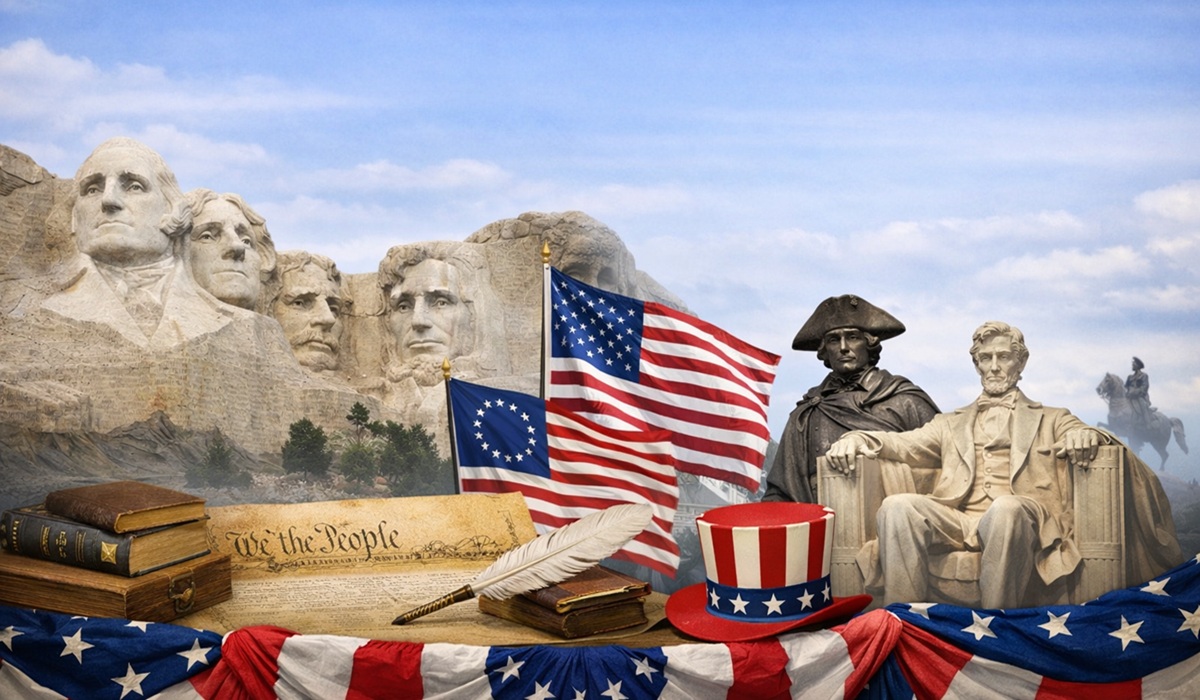
Presidents Day in the United States arrives each year on the third Monday in February, sitting quietly in the middle of winter as both a pause in the calendar and a moment of reflection. For many, it has become known for long weekends and store sales, yet the meaning behind the day runs much deeper. Its roots are tied to the early days of the country and to the legacy of George Washington, whose leadership helped shape what the presidency would become.
The holiday began as a tribute to the birth of the nation’s first president, born on February 22, 1732. After Washington’s death in 1799, communities across the young nation began marking his birthday as a way to remember the role he played in guiding a fragile and uncertain country through its earliest years. He was widely respected not only for leading the Continental Army during the American Revolution, but also for the example he set once peace was secured. His decision to step away from power after two terms became one of the most important traditions in American political life, sending a clear message that leadership was about service, not control.
In the decades that followed, celebrations of Washington’s Birthday were held informally in towns and cities. Schools used the day to teach about the country’s founding. Local leaders gave speeches about unity, sacrifice, and the responsibilities that come with freedom. It was not until 1879 that the U.S. government officially recognized Washington’s Birthday as a federal holiday, first for federal workers in the capital and later expanded across the country.
The transformation from a single birthday observance into what many now call Presidents Day came nearly a century later. In 1968, Congress passed the Uniform Monday Holiday Act, moving several federal holidays to Mondays to create more consistent long weekends. As part of that change, Washington’s Birthday was shifted to the third Monday in February. The adjustment meant the holiday would no longer land exactly on February 22, yet it remained close enough to preserve its original purpose.
Around the same time, people began to see the day in a broader light. Abraham Lincoln’s birthday falls on February 12 and had already been observed in some states. With the two dates sitting so close together, many Americans started to treat the February holiday as a chance to recognize both leaders. Over time, the meaning expanded even further. The term Presidents Day gained popularity in everyday language, even though the federal government still officially refers to it as Washington’s Birthday.
Today, the holiday serves as a moment to reflect not only on George Washington, but on the institution of the presidency itself. It invites Americans to think about how leadership has shaped the country across generations, from the Revolutionary War to the Civil War and through times of economic hardship and social change. Each president has left a different mark, some guiding the nation through conflict, others pushing forward new ideas and reforms.
Schools and historical groups still use the day to revisit stories from the country’s earliest years. Washington’s leadership during the fight for independence and his steady hand during the nation’s formation remain central to how the holiday is understood. His example continues to stand as a symbol of restraint, responsibility, and a willingness to place the country above personal ambition.
At the same time, the day has evolved along with the country itself. For some, it is a celebration of national identity and the values that helped shape the United States. For others, it is a time to look more closely at the presidency and the weight of the decisions made by those who hold the office. The focus has gradually shifted from a single figure to a broader reflection on leadership and accountability.
There is a quiet symbolism in the timing. Presidents Day sits between the start of a new year and the approach of spring, a point when people often find themselves looking back while thinking ahead. It encourages reflection on the past while raising questions about what leadership should look like in the future.
Even with the commercial side that now surrounds it, the original purpose of the holiday remains clear. It began as a way to honor George Washington and the foundation he helped lay for the country. That foundation shaped expectations of integrity, service, and continuity, ideals that still influence how Americans view the presidency today.
Presidents Day has grown into something larger than a single birthday. It has become a day that recognizes the role of leadership in shaping a nation and the ongoing responsibility that comes with it. Beneath the long weekend and the traditions that have built up around it, the message remains steady. It is a reminder of where the country began, the people who guided it through uncertain times, and the lasting impact of the example set by its very first president.
About The Author