Bangladesh’s parliamentary elections held on February 12, 2026, will mark a defining moment in the country’s political evolution. For the first time in nearly two decades, voters are participating in what many observers describe as a genuinely competitive national contest. The political landscape has shifted dramatically since the mass protests of 2024 that ended Sheikh Hasina’s long tenure and paved the way for an interim administration. These elections are therefore not merely about choosing representatives; they are a referendum on democratic restoration, governance reform, and the future direction of one of South Asia’s most strategically important nations.
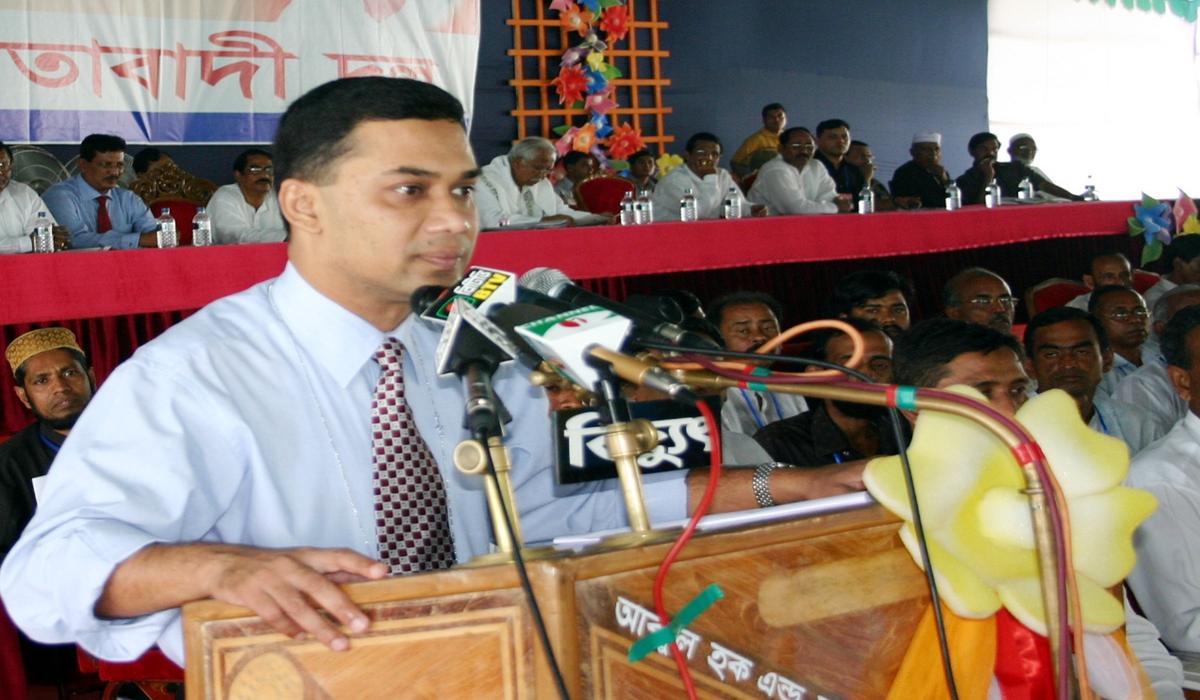
After the demise of former prime minister Begum Khalida Zia, Tarique Rehman lead Bangladesh Nationalist Party (BNP) enters the election as the strongest contender. With the Awami League weakened and reorganizing after years of dominance, the BNP has capitalized on public frustration over economic pressures, governance concerns, and demands for political change. Early projections and political assessments suggest that the BNP is likely to emerge as the single largest party in the 300-seat Jatiya Sangsad (Parliament). Most credible forecasts indicate that the BNP could secure between 180 and 220 seats, positioning it comfortably above the 151-seat threshold required for a simple majority.
However, the more critical question is whether the BNP can achieve a two-thirds majority, which would require at least 200 seats. A two-thirds mandate would allow the party to amend the constitution and implement sweeping structural reforms without relying heavily on coalition partners. While projections suggesting the BNP might cross the 200-seat mark are plausible, such an outcome is not guaranteed. Bangladesh’s electoral politics remain regionally fragmented, and smaller parties, including Islamist and left-leaning groups, could capture enough seats to prevent an overwhelming supermajority. Therefore, while the BNP is well-positioned to form the government, a two-thirds majority remains possible but uncertain.
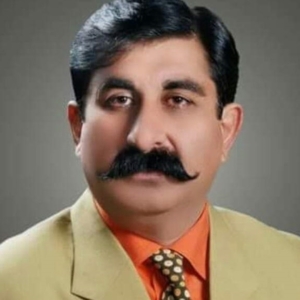
If the BNP secures a decisive victory, Tarique Rahman is the most likely candidate to become Prime Minister. As the party’s central leader and symbolic figurehead, Rahman has reasserted his influence in Bangladeshi politics. His leadership represents both continuity and transition—continuity in terms of BNP’s ideological framework, and transition in the sense of generational change after years of political polarization between the BNP and Awami League. Nevertheless, his long period outside frontline domestic politics may raise questions about administrative readiness and consensus-building capacity. Even so, in a BNP-majority scenario, his elevation to the premiership would be the most probable outcome.
The domestic implications of a BNP-led government would be profound. First, the restoration of competitive electoral politics would enhance institutional legitimacy. After years of disputed elections and political confrontations, a credible transfer of power could stabilize the political climate. Second, governance reforms are likely to focus on strengthening parliamentary oversight, judicial independence, and electoral transparency. However, the challenge will lie in avoiding retaliatory politics and ensuring inclusive governance that accommodates opposition voices.
Economically, Bangladesh faces significant pressures, including inflation, foreign exchange constraints, and employment demands from a large youth population. The new government will be expected to prioritize macroeconomic stability, export diversification beyond garments, and foreign investment attraction. Political stability following the elections could improve investor confidence, but policy consistency and administrative competence will be essential.
Regionally, the election outcome carries important geopolitical implications. Bangladesh occupies a pivotal position between South Asia and Southeast Asia, maintaining delicate relationships with India, China, and Western partners. A BNP-led administration may recalibrate foreign policy toward a more balanced, multi-vector approach. While Sheikh Hasina’s tenure was often viewed as closely aligned with India, the BNP traditionally emphasizes strategic autonomy. This does not necessarily imply confrontation with New Delhi but suggests a broader diversification of partnerships.
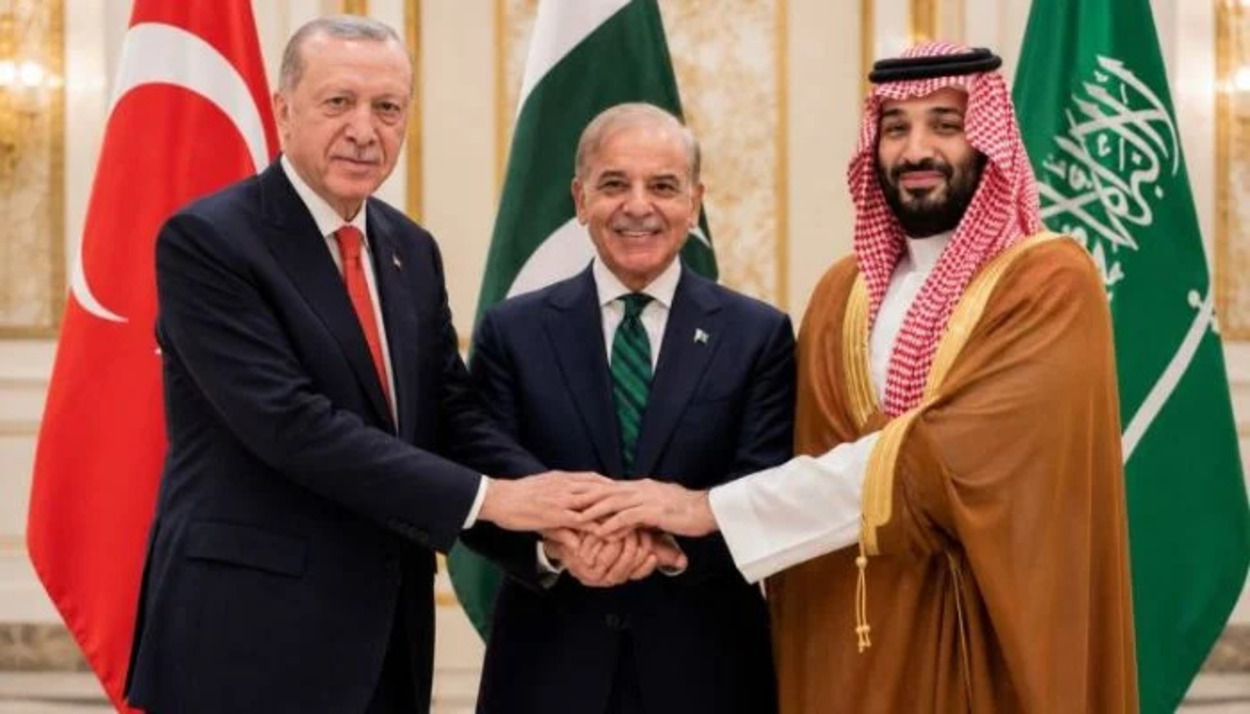
In this context, Pakistan–Bangladesh relations could see cautious improvement. Historical grievances stemming from the 1971 war have long shaped bilateral relations. However, generational change and shifting regional priorities may create space for pragmatic engagement. Trade, cultural exchanges, and multilateral cooperation within the Organization of Islamic Cooperation (OIC) could expand gradually. That said, dramatic transformation is unlikely. Relations are expected to strengthen incrementally rather than dramatically, guided by economic pragmatism rather than ideological realignment.
The post-election scenario will depend heavily on how the losing parties respond. If the results are widely accepted as credible, Bangladesh could enter a period of relative political calm. However, if disputes arise over vote counting or allegations of irregularities, street protests and political agitation could re-emerge. The conduct of the security forces and the impartiality of the Election Commission will therefore shape not only the immediate aftermath but also long-term democratic consolidation.
Another critical factor is the role of youth voters. With millions of young Bangladeshis participating, expectations for employment, governance transparency, and digital innovation are high. Any new government that fails to address these aspirations risks facing renewed public discontent within a short period. Thus, electoral victory alone will not guarantee political durability.
In conclusion, the February 12, 2026 parliamentary elections represent a watershed in Bangladesh’s democratic trajectory. The most probable outcome is a BNP-led government with Tarique Rahman emerging as Prime Minister. The party is likely to secure a clear majority, potentially approaching but not definitively surpassing the two-thirds threshold. The broader significance of the election lies not merely in seat numbers but in whether it ushers in stable, accountable, and inclusive governance.
Bangladesh stands at a crossroads.
Tarique Rehman seems to lead Bangladesh.
If the transition of power is smooth and reforms are implemented responsibly, the country could strengthen its democratic institutions and reinforce its role as a rising regional economy. If political polarization resurfaces, however, instability could undermine the promise of renewal. Ultimately, the true success of this election will be measured not by which party wins, but by whether it deepens democratic culture and promotes national cohesion in a rapidly changing South Asian landscape.
About The Author