At the Center of a Growing Storm: Inside the Uncertain Trump–Netanyahu Talks on Iran
- Ingrid Jones
- U.S.A
- February 12, 2026
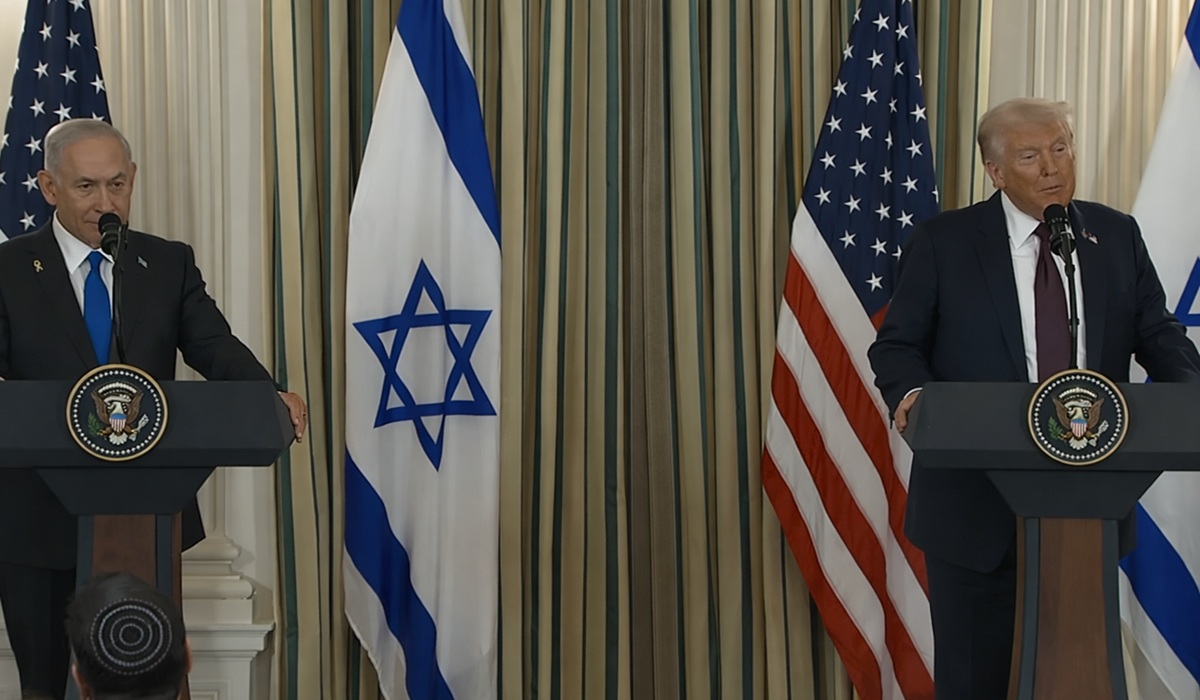
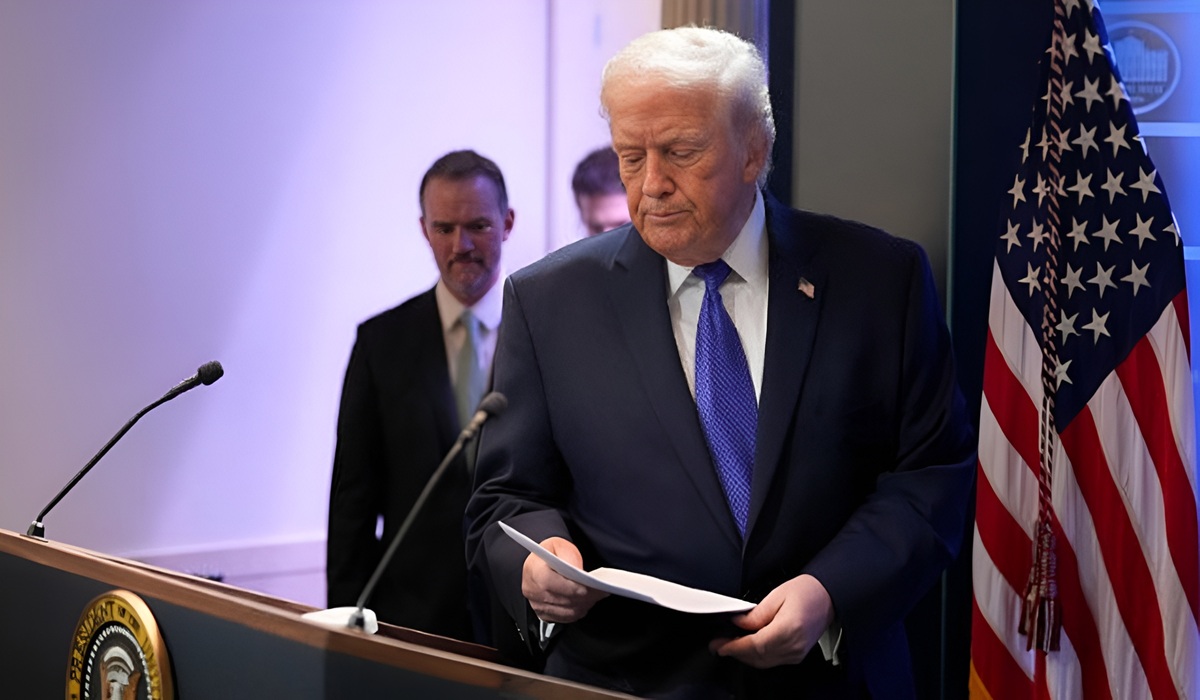
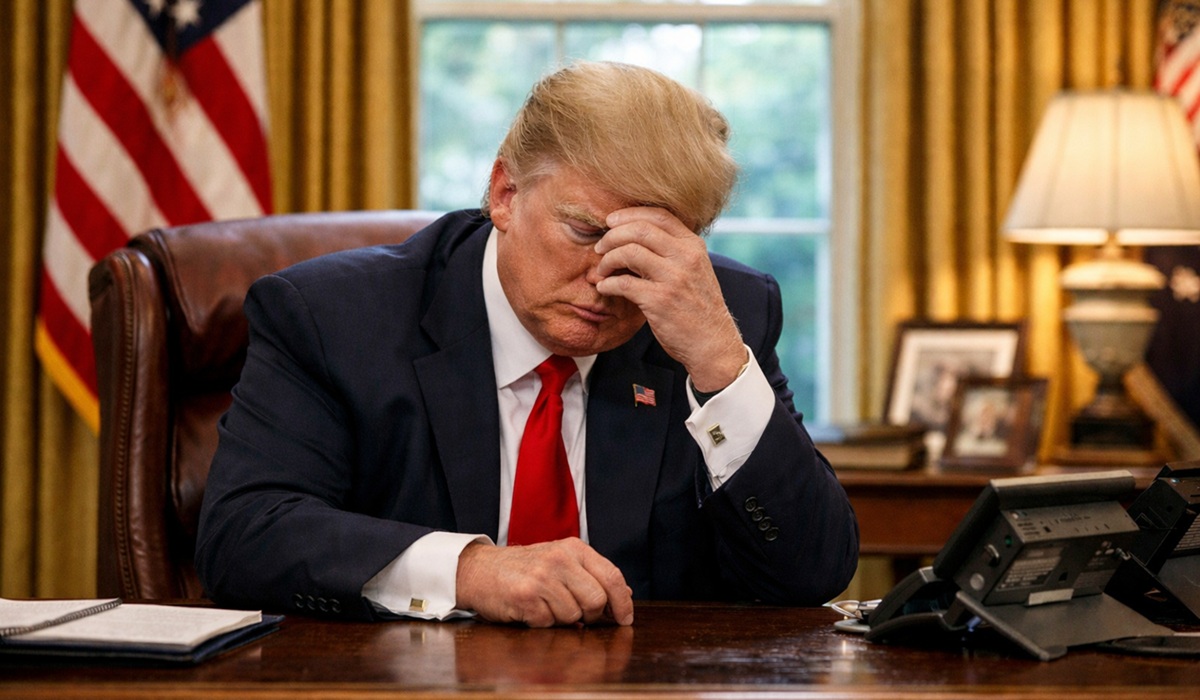
As tensions continue to build across the Middle East, the recent meeting between U.S. President Donald Trump and Israeli Prime Minister Benjamin Netanyahu has become the subject of intense speculation, conflicting reports, and mounting concern. While official statements from Washington suggest the discussions were productive and measured, the broader picture remains far less clear. Mixed signals from political insiders, military movements in the region, and rising fears of escalation are creating an atmosphere of uncertainty that is difficult to ignore.
President Trump has publicly maintained that the talks with Netanyahu are moving in a positive direction. His messaging has emphasized diplomacy and stability, suggesting that dialogue remains the preferred path forward. However, behind the scenes, reports circulating through diplomatic and intelligence circles paint a far more complex and contradictory story. Some accounts claim Netanyahu is urging the United States to take direct military action against Iran. Others insist that this portrayal is misleading, arguing that Israel is well aware of the devastating consequences a full-scale regional war could bring, particularly given Iran’s missile capabilities and its capacity to strike deep into Israeli infrastructure.
This contradiction speaks to a deeper strategic tension. Public posture and private caution often coexist in high stakes geopolitical conversations. While strong rhetoric may serve domestic political needs or function as a negotiating tactic, the reality on the ground suggests that decision makers on all sides understand the risks involved. A direct confrontation with Iran would not resemble the conflicts of previous decades. It would likely be rapid, technologically advanced, and devastating to civilian and military infrastructure alike.
Adding to the unease is the visible military activity unfolding across the Middle East and the Persian Gulf. The United States has moved naval forces into the region, positioning flotillas and carrier groups in what appears to be a show of strength. Yet reports indicate that these forces are maintaining significant distance from Iran’s coastline, in some cases as far as 800 to 1,000 kilometers away. Analysts interpret this as a defensive calculation rather than an aggressive stance. Iran’s supersonic missile capabilities are widely recognized, and maintaining distance may reflect an effort to reduce vulnerability rather than signal imminent action.
Another complicating factor is the modern reality of surveillance and information access. Satellite imagery, both governmental and commercial, has become widely available, and it is believed that the positions of major naval assets are no longer secret in the way they once were. In an era where high resolution images can be accessed online, the traditional element of surprise is harder to maintain. Military planners now operate in an environment where visibility is nearly constant, and strategic movements are often observed in real time.
Concerns have also been growing within U.S. Central Command and the Pentagon over the evolving nature of threats in the region. Iran’s drone technology, while relatively inexpensive compared to traditional military platforms, has proven effective and difficult to counter. A recent incident reportedly involved an Iranian drone approaching dangerously close to a U.S. carrier group before being intercepted and destroyed. Even if the drone was not intended for a direct attack, the event underscored how quickly a small and low cost piece of equipment could create a major international incident.
Against this backdrop, the political dimension of the situation cannot be ignored. There is a lingering historical context that continues to shape how observers interpret the current moment. During the Obama administration, an international agreement was put in place aimed at limiting Iran’s nuclear program in exchange for sanctions relief. That deal was controversial at the time, drawing both praise and criticism across the political spectrum. When President Trump later withdrew the United States from the agreement, it marked a turning point that shifted the entire regional dynamic.
Now, years later, the conversation appears to have circled back to familiar territory. There are renewed discussions about containment, negotiation, and the possibility of reestablishing some form of structured agreement. To some observers, this creates a sense of déjà vu. The contrast between dismantling an existing framework and now seeking to construct a new one raises questions about long term strategy and consistency. Others argue that the geopolitical environment has changed enough to justify a fresh approach.
Through it all, the tone from both Washington and Jerusalem has remained measured in public. Neither leader has openly called for immediate conflict, and both appear to recognize the high stakes involved. Even so, the steady movement of military assets, the drone encounters, and the steady stream of conflicting reports have created an atmosphere where perception and reality are constantly colliding.
The situation remains fluid, and what is said behind closed doors may differ sharply from what is shared with the public. In moments like this, diplomacy often unfolds in layers, with posturing, reassurance, and caution existing side by side. What is certain is that the decisions made in these conversations will carry consequences far beyond the meeting room. The balance between deterrence and diplomacy has rarely felt more fragile, and the world is watching closely as events continue to unfold.
About The Author