Washington at a Pressure Point: Politics, Power, and Uncertainty Converge
- Ingrid Jones
- U.S.A
- February 11, 2026
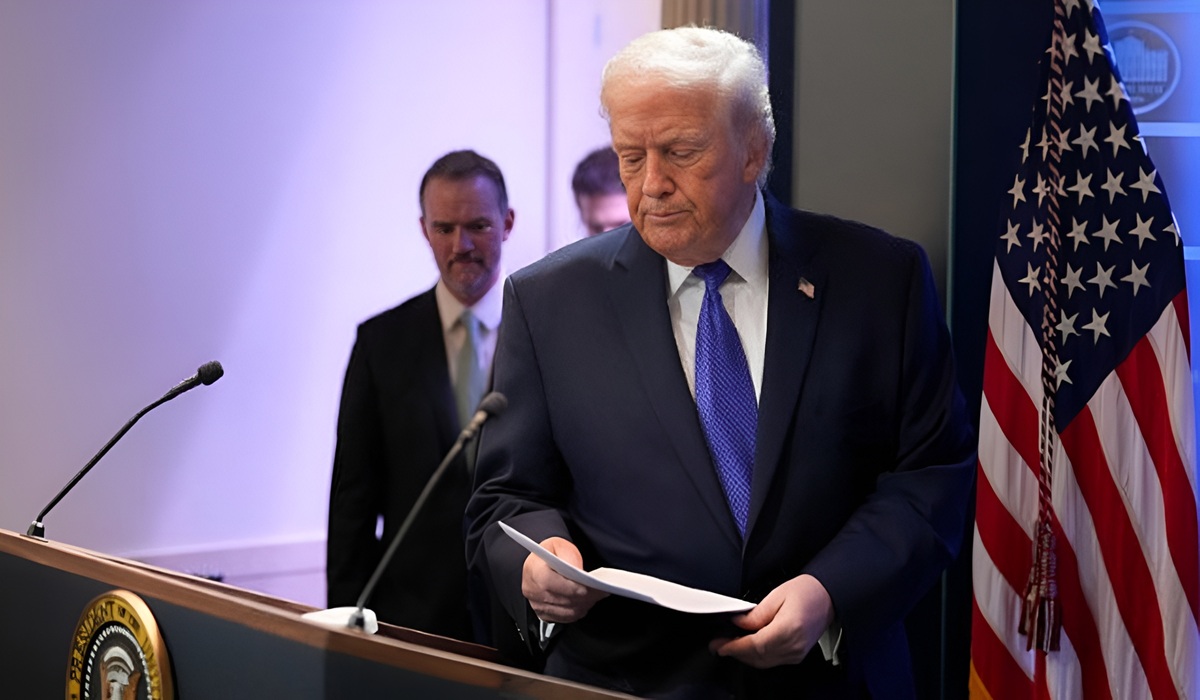
Washington is sitting at a pressure point, a moment where politics, diplomacy, economics, and public sentiment are all colliding at once. What might normally unfold as separate storylines are instead converging into a single national mood, one defined by tension, scrutiny, and the sense that decisions made now could carry long-term consequences. From heated exchanges inside congressional chambers to high-stakes meetings at the White House, the capital has become the center of a country navigating a complex and uncertain stretch.
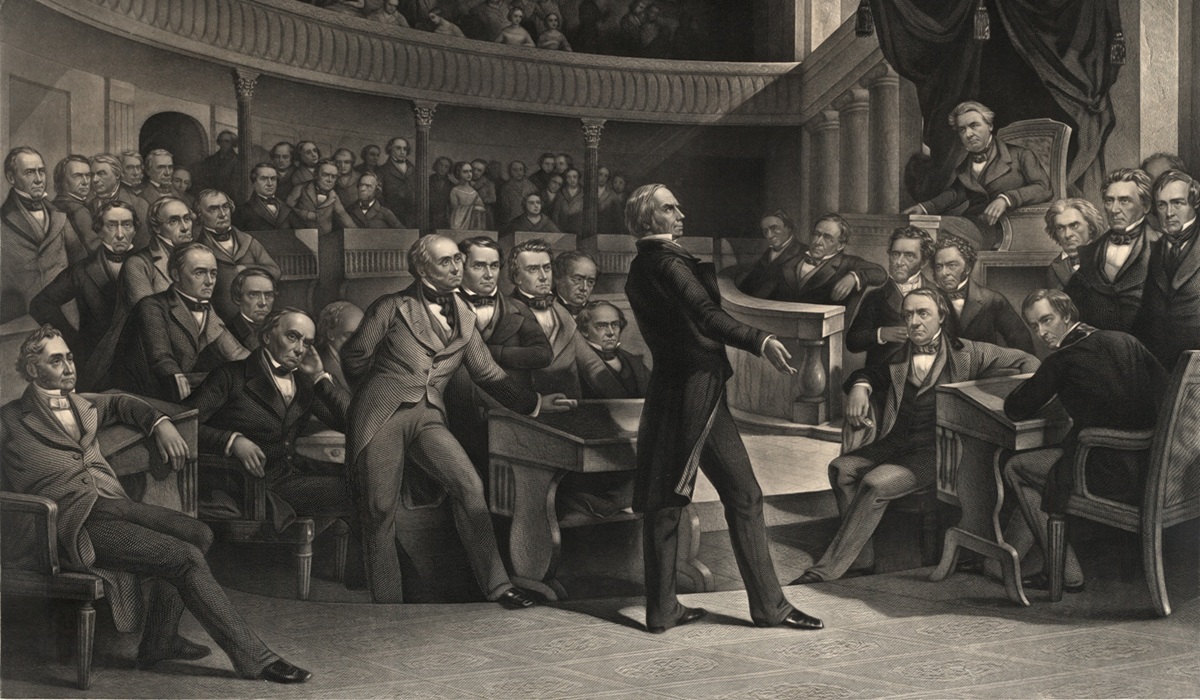
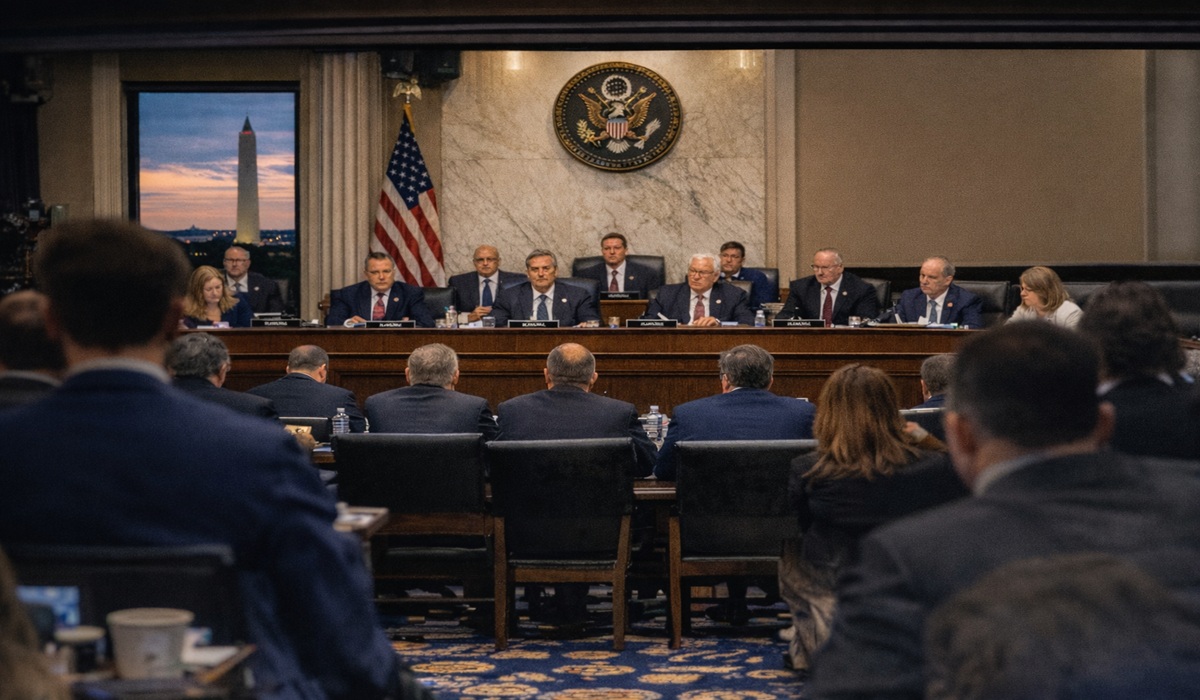
Inside Congress, the tone has shifted sharply. Senior administration officials faced intense questioning in a series of hearings that reflected just how deep the political divisions have grown. Lawmakers pressed on issues tied to immigration enforcement, federal restructuring, and broader justice concerns, turning routine testimony into hours of pointed exchanges. The atmosphere has been marked by sharp rhetoric and little patience on either side, a sign that the political temperature is rising as the year unfolds.
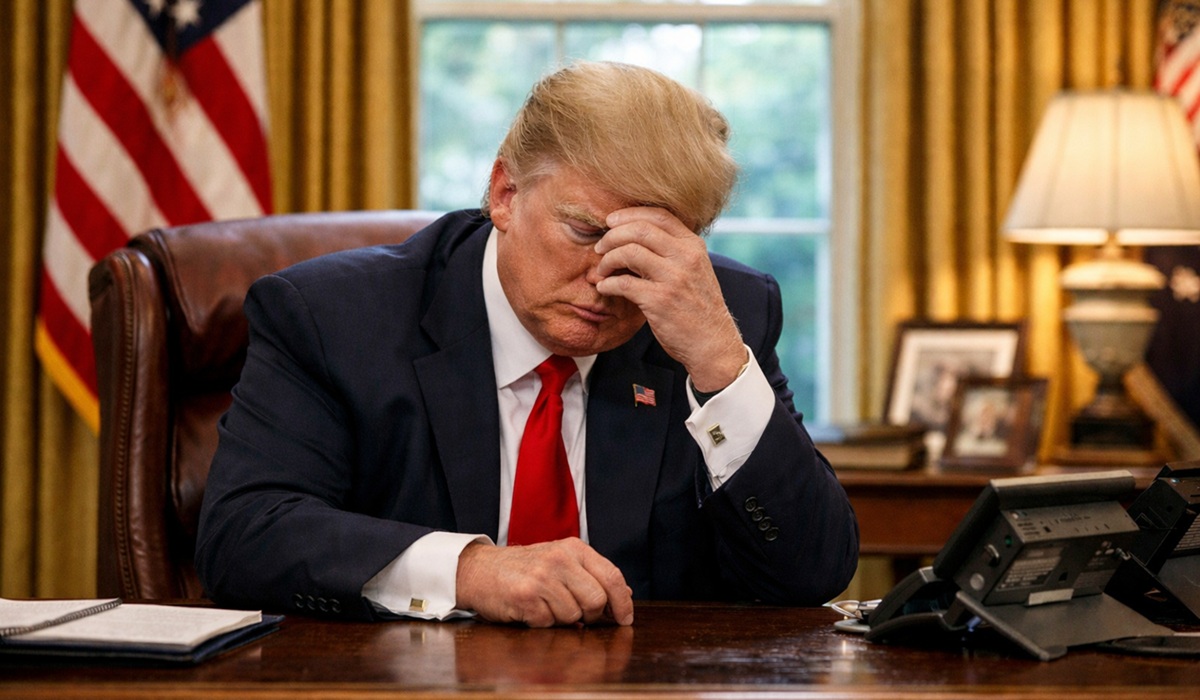
At the same time, the White House has been managing its own critical moment on the global stage. The President hosted Israel’s prime minister for talks centered on Middle East stability, with particular attention to Iran and the ongoing violence affecting Gaza and the surrounding region. The meeting underscored how closely domestic politics and international strategy now intersect, as foreign policy decisions increasingly shape conversations at home. Allies are watching carefully for signals about the direction of American leadership, while critics are weighing the implications of deeper involvement in an already fragile region.
Beyond politics and diplomacy, the economic picture is adding another layer to the national conversation. Businesses are reporting a widening divide in consumer behavior, with higher-income households continuing to spend while others are tightening budgets. The split is creating uneven momentum across industries, leaving companies uncertain about where the economy is truly heading. On paper, employment numbers remain steady, but the underlying question persists about whether growth can hold if everyday costs continue to strain middle- and lower-income Americans.
In the middle of all this, the country found a rare moment of pride and unity through sport. At the Winter Olympics, an American cross-country skier captured a historic silver medal, ending a decades-long drought and offering a reminder that even in tense times, there are still moments that bring people together. The achievement spread quickly across the nation, offering a brief pause from the heavier headlines dominating the news cycle.
Taken together, these developments are not isolated. They form a single, interconnected story about a nation under pressure. Political divisions are playing out publicly and forcefully, global conflicts are demanding attention at the highest levels, and economic uncertainty is quietly shaping the mood of households across the country. Washington stands at the center of it all, absorbing the tension and setting the tone for what comes next.
This is not a single breaking story with a clear beginning and end. It is a convergence point. The arguments in Congress, the meetings behind closed doors, and the economic signals filtering through boardrooms and kitchen tables are all part of the same moment. The pressure is not just political. It is national. And what happens in the weeks ahead may determine whether that pressure eases or builds into something far more defining.
About The Author