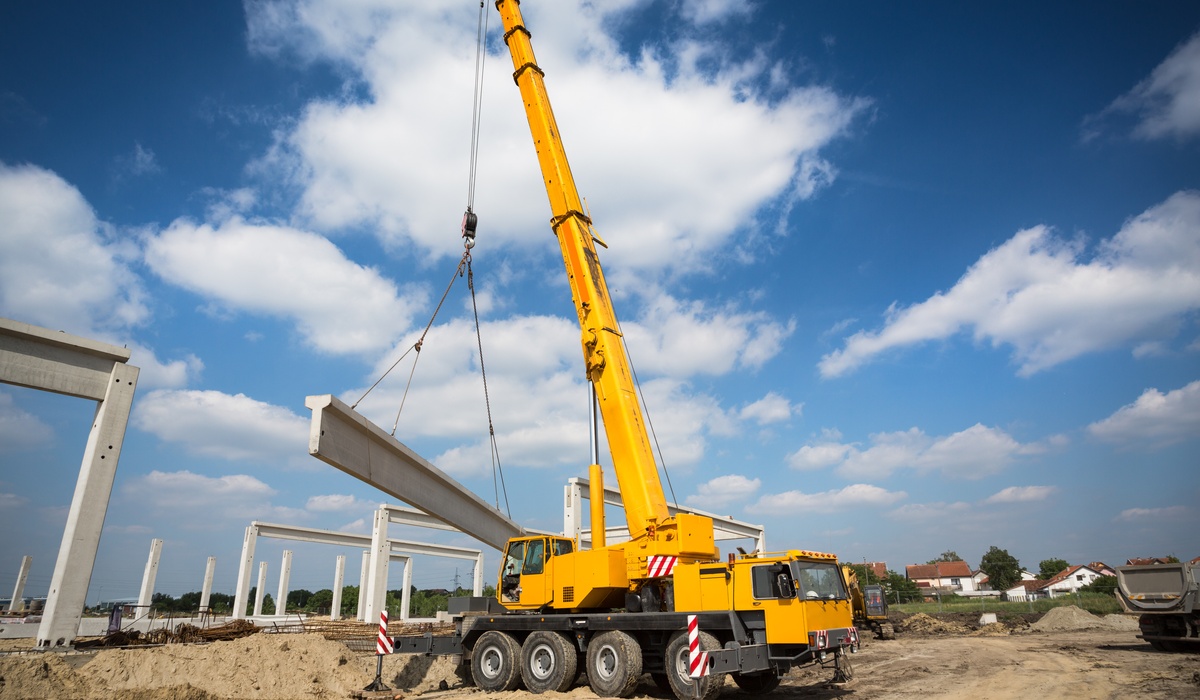
Cranes play a critical role across construction, shipping, manufacturing, and energy projects, where teams rely on them to move heavy loads safely and efficiently. These machines operate under constant stress, often in challenging environments, and that reality makes maintenance a central factor in long-term performance. When upkeep slips, crane failures rarely appear out of nowhere. Small issues develop quietly, compound over time, and eventually surface as costly and sometimes dangerous breakdowns. Understanding how poor maintenance causes common crane failures helps operators recognize warning signs earlier and take action before problems escalate.
One of the most common failure points involves wire ropes. These components carry heavy loads while repeatedly bending over sheaves and drums. Without regular inspection, lubrication, and timely replacement, wire ropes deteriorate. Frayed strands, corrosion, and uneven wear weaken the rope’s structure. Operators may overlook early signs because the rope still functions during daily lifts. Over time, this hidden damage reduces load capacity and increases the risk of sudden failure. When a wire rope snaps, the consequences extend beyond equipment damage, as dropped loads threaten nearby workers and structures. Routine attention to rope condition often prevents these incidents long before they reach a critical stage.
Hydraulic systems are another area where maintenance gaps quickly lead to failure. Cranes rely on hydraulic pressure to lift, lower, and position loads smoothly. Seals, hoses, and fittings endure constant pressure changes, vibration, and temperature swings. Poor maintenance allows small leaks to develop and fluid contamination to spread. Operators may notice slower movements, drifting loads, or inconsistent control response. These symptoms signal deeper issues that worsen when ignored. Continued operation with compromised hydraulics strains pumps and valves, eventually leading to system failure. Clean fluid, intact components, and regular inspections keep hydraulic systems responsive and reliable.
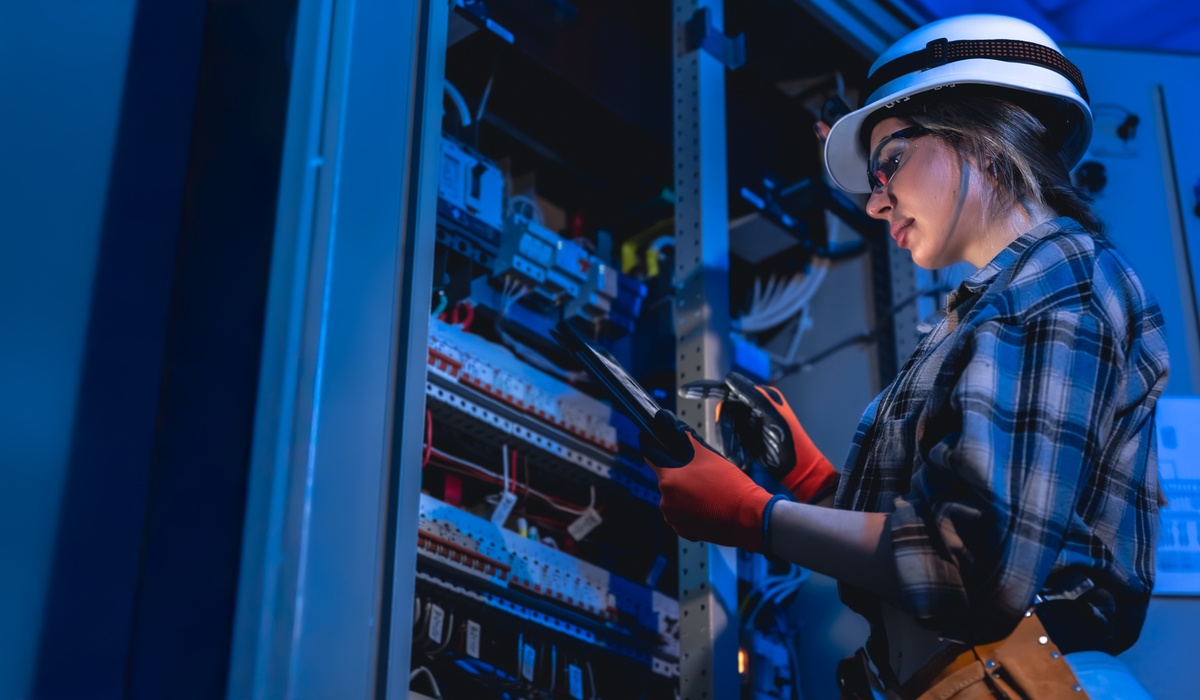
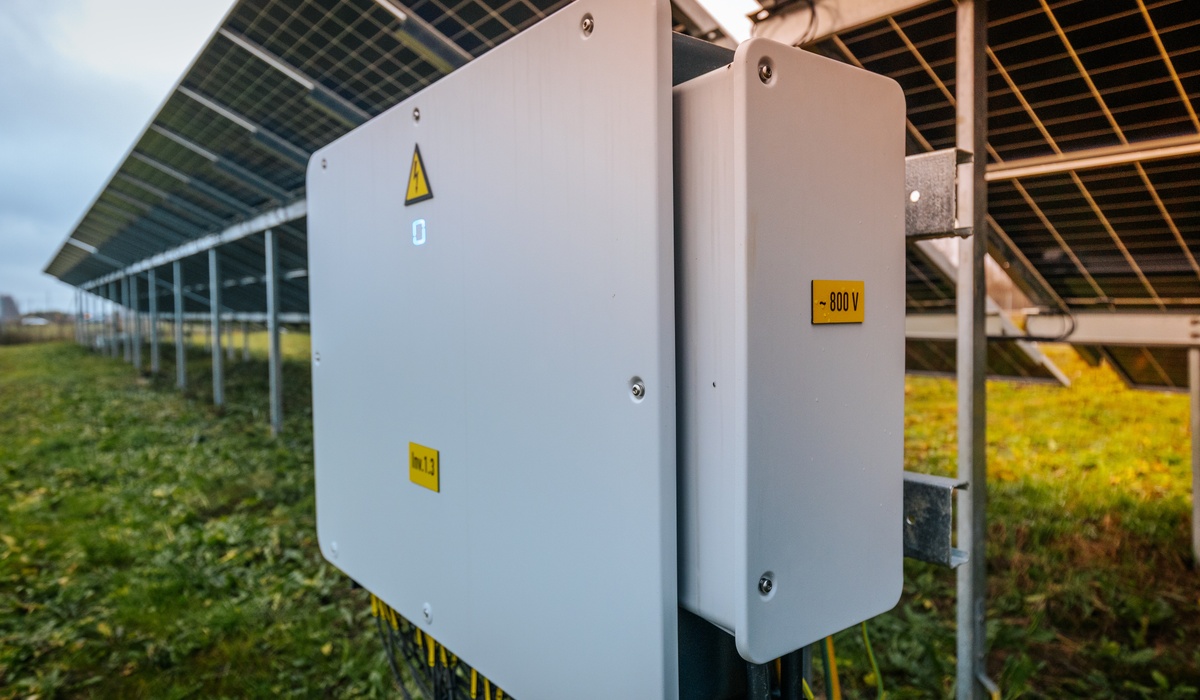
Electrical systems also suffer when maintenance receives low priority. Modern cranes depend on electrical networks for controls, safety features, and communication between components. Exposure to dust, moisture, and vibration takes a steady toll on wiring and connectors. Corrosion forms on terminals, insulation cracks, and loose connections interrupt signals. Electrical failures often occur without warning, shutting down cranes mid-operation or disabling key safety devices. These unpredictable issues frustrate crews and create hazardous situations during lifts. Consistent cleaning, inspection, and repair of electrical components reduces downtime and restores confidence in crane controls.
Brake systems illustrate how overlooked maintenance directly compromises safety. Brakes control movement and hold loads during lifting and lowering. Over time, brake linings wear down, components accumulate contaminants, and adjustments drift out of specification. Operators may hear unusual noises or notice delayed stopping, but busy schedules can push brake service to the back burner. As wear progresses, braking performance declines, allowing loads to slip or drift. In severe cases, brake failure can cause uncontrolled movement, placing workers and equipment at serious risk. Timely brake maintenance supports precise control and protects everyone on site.
Structural fatigue often develops quietly and remains difficult to detect without regular inspection. Crane booms, jibs, and supporting structures endure repeated stress cycles every day. Poor maintenance allows cracks, corrosion, and loose fasteners to grow unnoticed. Environmental exposure accelerates this damage, especially in coastal or industrial areas. Paint damage and surface rust frequently signal deeper structural issues. When inspections lapse, minor defects expand under load until a structural failure forces immediate shutdown. Addressing small cracks and corrosion early preserves structural integrity and avoids sudden, catastrophic breakdowns.
Lubrication failures are among the most preventable causes of crane damage. Bearings, gears, and pivot points rely on proper lubrication to reduce friction and heat. Skipping lubrication schedules or using incorrect products leaves components vulnerable to accelerated wear. Dry parts grind against each other, generate excess heat, and lose efficiency. Operators may feel resistance during movement or hear grinding sounds that indicate trouble. Continued operation under these conditions shortens component life and increases repair costs. Preventive maintenance for cranes often places heavy emphasis on lubrication because consistent greasing provides significant protection with minimal investment.
Safety devices also lose effectiveness when maintenance is inadequate. Load indicators, limit switches, alarms, and sensors protect cranes from overloads and unsafe operation. These systems require regular testing and calibration to function accurately. Poor maintenance causes sensors to drift or fail, producing false readings or no warnings at all. Operators who lose trust in safety feedback may rely solely on judgment, increasing the risk of overloading and tipping. Maintaining safety devices preserves their reliability and reinforces safe operating practices across the jobsite.
Environmental exposure compounds nearly every maintenance issue. Cranes often operate outdoors, where weather accelerates wear and deterioration. Rain introduces moisture that promotes corrosion and electrical faults. Heat degrades seals, hoses, and hydraulic fluid, while cold temperatures affect lubrication and material flexibility. Poor maintenance leaves cranes vulnerable to these stresses, allowing environmental damage to layer on top of existing problems. Cleaning routines, protective coatings, and weather-appropriate service schedules help mitigate environmental impact and extend equipment life.
Human factors frequently play a role in maintenance-related failures. Tight deadlines, staffing shortages, and incomplete records contribute to skipped inspections and delayed repairs. When maintenance teams lack clear communication with operators, small issues go unreported. Operators may compensate for mechanical problems with workarounds that increase strain on already compromised components. Over time, those habits magnify damage and shorten service intervals. Clear reporting processes and shared responsibility between teams encourage early intervention and prevent minor concerns from escalating.
The financial impact of crane failures often extends far beyond repair costs. A disabled crane can halt an entire project, delay crews, and disrupt supply chains. Emergency repairs require expedited parts and overtime labor, driving costs higher than planned maintenance ever would. Poor upkeep turns predictable service into reactive crisis management. Organizations that prioritize consistent care experience fewer interruptions and more stable project timelines.
A strong maintenance culture supports long-term crane reliability. Training helps operators recognize early warning signs and understand the importance of reporting issues promptly. Maintenance teams benefit from clear priorities, adequate resources, and realistic schedules. Leadership support reinforces the message that maintenance protects safety, productivity, and profitability. When organizations treat upkeep as an investment rather than an inconvenience, cranes deliver better performance and longer service life.
Common crane failures rarely happen without warning. They develop from neglected details, postponed service, and overlooked symptoms that compound over time. Wire rope damage, hydraulic leaks, electrical faults, brake wear, and structural fatigue all trace back to maintenance gaps. By recognizing these patterns and addressing issues early, operators protect equipment, reduce downtime, and support safer lifting operations. Thoughtful maintenance practices shape every successful lift and keep cranes performing reliably day after day.
About The Author