Energy Costs, Elections, and Industry Pressure: Europe Faces a Winter of Hard Decisions
- Xuemei Pal
- Europe
- Tiger's Eye Advisory Group - Trending News
- February 11, 2026
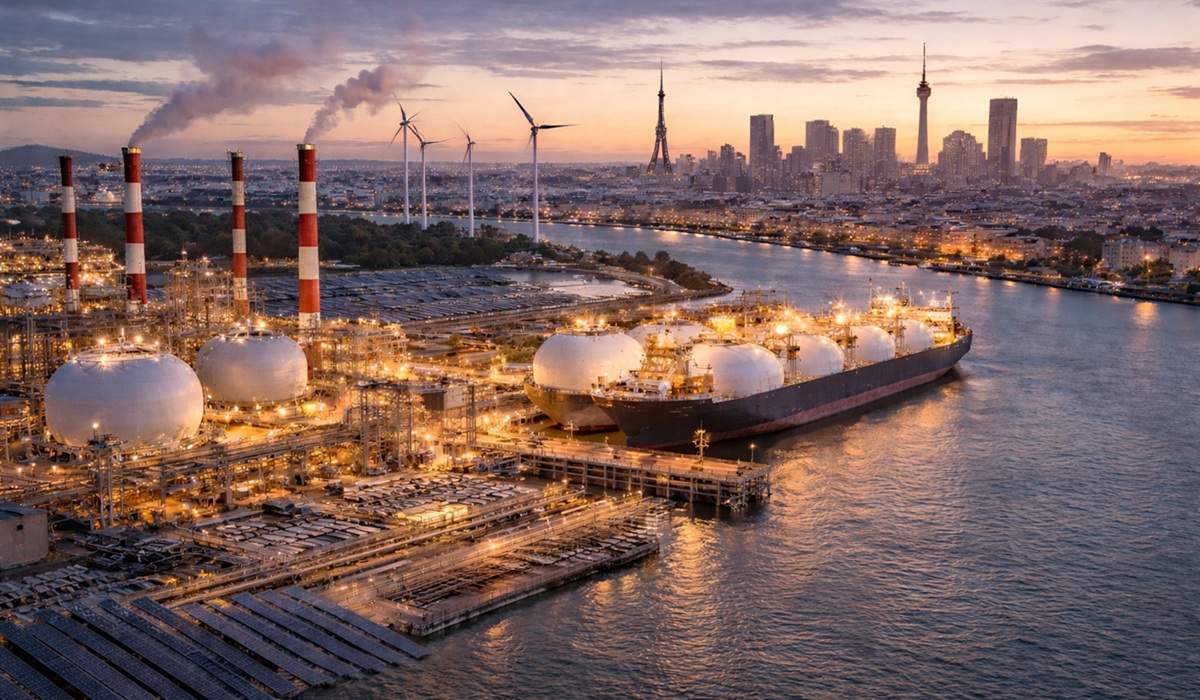
Across Europe, governments are managing a complex set of economic and political challenges that have come into sharp focus over the past year. In Germany, energy policy has been at the center of national debate as the country continues adjusting to reduced reliance on Russian natural gas. The shift has forced industries to adapt quickly, and energy prices have remained a major concern for both manufacturers and households. German officials have pushed forward with plans to expand renewable energy capacity, but the transition has brought growing pains, including higher electricity costs and pressure on energy intensive industries like steel and chemicals.
In France, the political climate has been shaped by ongoing debate over economic reforms and the cost of living. Protests have taken place in several cities as citizens voice frustration over rising prices and policy changes affecting pensions and public spending. While the government has defended its approach as necessary for long term stability, the demonstrations have shown how deeply economic pressures are being felt at the street level. The situation reflects a broader pattern across the continent, where inflation and housing costs have become central political issues.
Italy has faced its own economic concerns, particularly in manufacturing regions where slower global demand has affected production. Export focused industries in the north have reported challenges tied to energy costs and competition from outside Europe. In response, the government has introduced targeted support measures to help businesses maintain operations and protect jobs. At the same time, officials have continued to emphasize investment in infrastructure, especially rail and port modernization, as a way to strengthen the country’s long term competitiveness.
Across the European Union, leaders have continued to coordinate energy policy, focusing on securing alternative supplies and expanding renewable sources. Liquefied natural gas imports have increased, with new terminals helping to stabilize supply after earlier disruptions. Wind and solar projects have also expanded, particularly in countries like Spain and Denmark. While these efforts have improved resilience, they have not completely shielded consumers from higher energy bills, especially during colder months when demand rises sharply.
Political change has added another layer to the moment. Elections in several countries have shifted leadership dynamics, bringing new voices into power and reshaping national priorities. Issues like immigration, border security, and economic stability have dominated campaigns. The outcome has been a more fragmented political landscape in some places, making it harder to build consensus on major policy decisions. Still, there remains a strong commitment among European nations to work together on shared challenges, particularly in energy and trade.
Despite the strain, there are signs of resilience. Investments in green technology, electric vehicle production, and digital infrastructure continue to move forward. Countries like Sweden and the Netherlands have pushed ahead with innovation driven economic strategies, aiming to create new industries that can compete globally. These projects are seen as critical for ensuring long term growth and reducing dependence on external energy sources.
For many Europeans, the current period feels like a test of endurance and adaptation. Governments are balancing immediate concerns with future planning, trying to stabilize economies while preparing for long term change. The combination of rising costs, political shifts, and industrial pressure has made this a defining moment. How leaders respond now will shape the direction of the continent for years to come, especially as energy security, economic strength, and political unity remain closely linked.
About The Author