Gold, Power, and Policy: Burkina Faso’s New Direction Draws Global Attention
- Kingston Bailey
- Africa
- Breaking News
- February 10, 2026
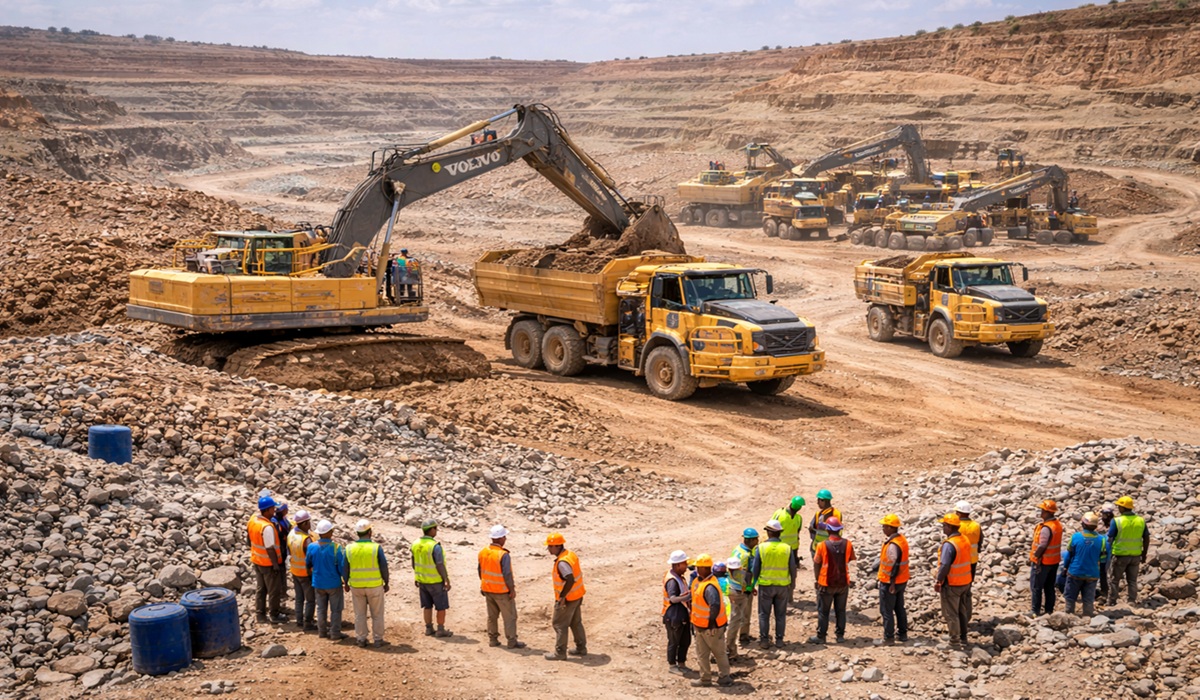
In West Africa, Burkina Faso is undergoing a period of transformation that is attracting international interest. Since Captain Ibrahim Traoré assumed leadership following the country’s political upheaval, the government has focused heavily on reshaping control over natural resources, strengthening national security, and investing in infrastructure. The results have created a complex but evolving picture of a country attempting to redefine its future.
One of the most significant changes has been the decision to increase state involvement in the mining sector. Burkina Faso is a major gold producer, and recent moves to assert greater national control over mining operations have been framed by leaders as a step toward economic independence. The goal, officials say, is to ensure that more revenue stays within the country and supports development projects.
The government has also emphasized investment in roads, education, and military capacity. In several regions, new construction projects have begun connecting communities that were previously difficult to reach. These efforts are seen as essential not only for economic growth but also for improving security, as access can influence how effectively authorities respond to threats.
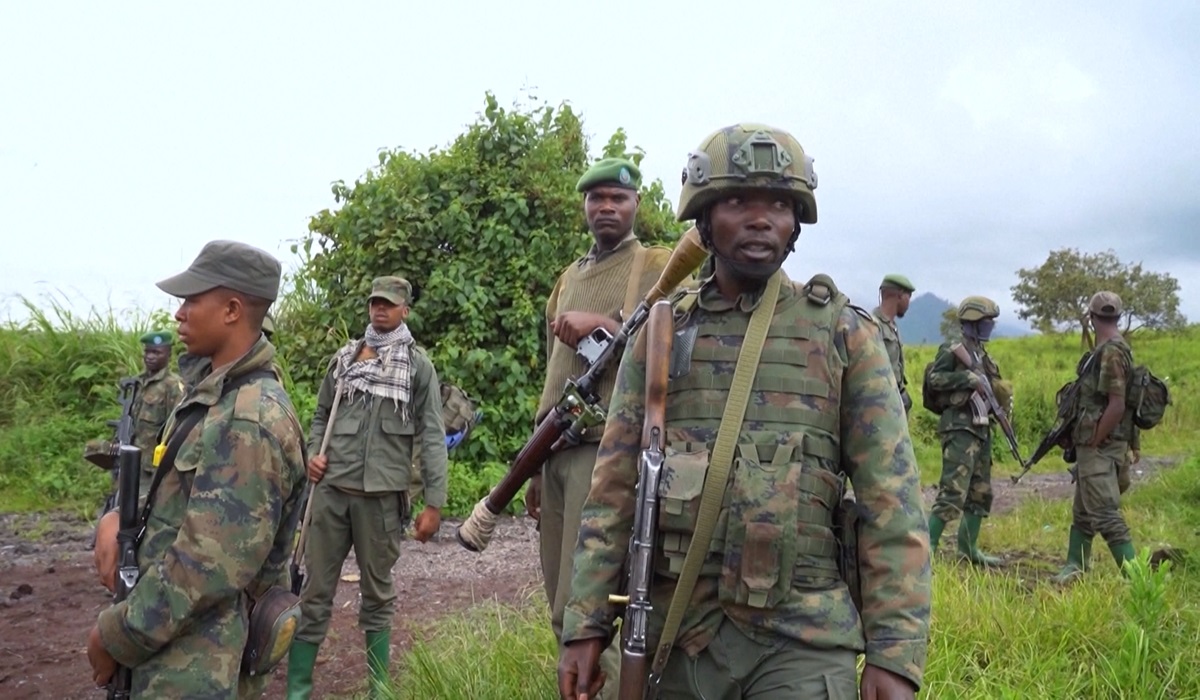
Security remains a defining issue. Armed groups continue to operate in parts of the country, and the military has been engaged in ongoing efforts to regain control of territory. Despite the challenges, authorities have highlighted progress in expanding training, equipment, and coordination. The message from leadership has been one of resilience and determination.
Public sentiment within the country is mixed but engaged. Some citizens view the current direction as a necessary break from the past, particularly in terms of economic sovereignty. Others remain cautious, aware that long term stability depends on both security and sustained investment.
At the same time, Burkina Faso’s relationship with international partners has shifted. The government has sought new alliances while reducing reliance on traditional external support structures. This approach has reshaped diplomatic dynamics and drawn attention from observers across the continent and beyond.
The focus on local industry has extended beyond mining. Agricultural initiatives aimed at boosting food production have gained traction, with programs designed to support farmers through improved tools and training. In urban areas, small businesses are finding new opportunities as infrastructure improves and markets expand.
For many in the country, the changes represent both hope and uncertainty. There is a strong desire to see economic growth translate into everyday improvements in quality of life. Roads, schools, and health services remain priorities, and expectations are high that resource revenues will contribute to these goals.
The coming years will likely determine whether the current strategy delivers lasting results. What is certain is that Burkina Faso has entered a new phase in its history, one defined by a push for control over its own resources and direction.
About The Author