Black History 365 Honors Mary Seacole:
- TDS News
- Black History 365
- Tiger's Eye Advisory Group - Trending News
- February 6, 2026
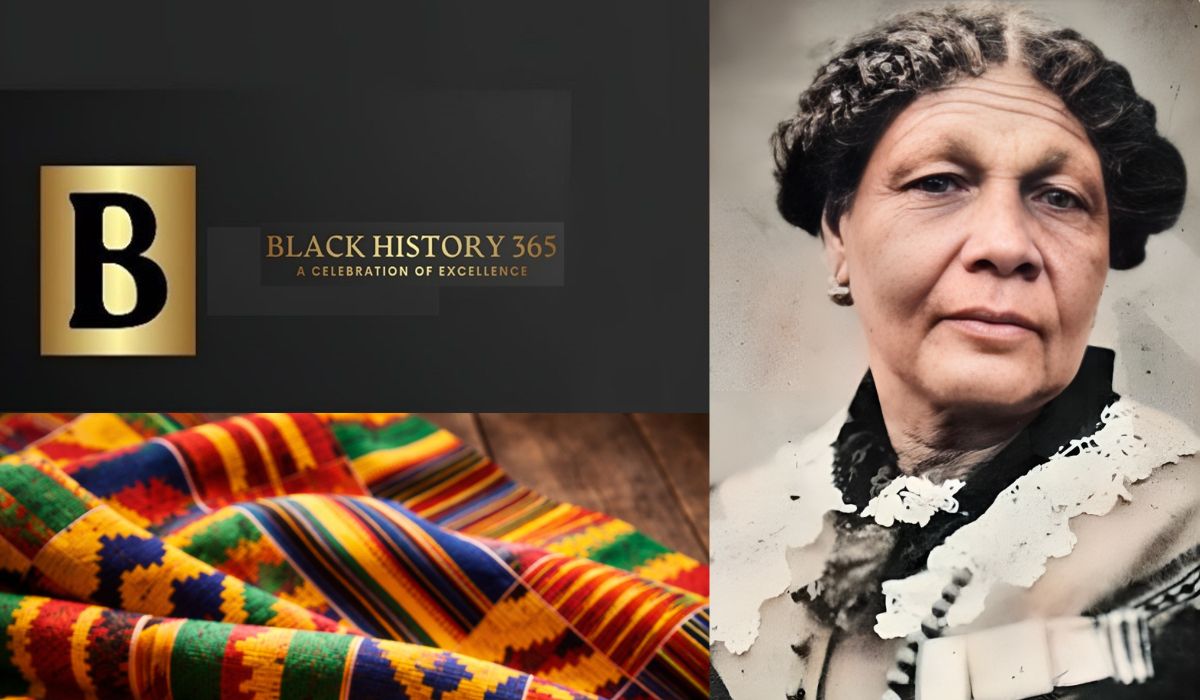
Courage Beyond Borders, A Life of Compassion, Service, and Unbreakable Resolve
By: Donovan Martin Sr, Editor in Chief
Mary Seacole stands as one of the most remarkable figures in global humanitarian history, a woman whose life was defined by courage, compassion, and an unshakable commitment to caring for others in the face of hardship. Born in 1805 in Kingston, Jamaica, to a Jamaican mother and a Scottish father, she grew up in a household that blended traditional healing knowledge with Western medical practices. From an early age, she learned the value of treating the sick and the injured, watching her mother care for soldiers and civilians alike. Those early lessons shaped a life that would later take her across oceans and into the heart of war.
Her skills as a nurse developed long before formal recognition ever came her way. She traveled widely through the Caribbean and Central America, gaining experience in treating illnesses such as cholera and yellow fever. At a time when medical understanding was limited and prejudice was widespread, she relied on a combination of herbal remedies, practical knowledge, and steady determination. Communities began to recognize her as someone who could be trusted in times of sickness and fear. She did not wait for permission to help people. She simply stepped forward where she was needed.
When the Crimean War broke out in the 1850s, she felt a deep pull to assist wounded soldiers. She applied to join official nursing groups traveling from Britain, but her offers were turned away. Refusal did not stop her. With her own savings and sheer determination, she made the journey to the war zone independently. There, near the front lines, she established what became known as the “British Hotel,” a place that provided food, rest, and medical care for soldiers. It was more than a building. It became a refuge in a harsh and dangerous environment where wounded men could find comfort, treatment, and a sense of humanity during a brutal conflict.
She often traveled onto the battlefield itself to tend to the injured. Her presence brought reassurance to soldiers who were far from home and uncertain of their survival. She cleaned wounds, administered treatments, and offered words of comfort in moments of fear and pain. Many came to know her simply as “Mother Seacole,” a title earned through kindness and bravery rather than position or rank. She placed herself in danger repeatedly, not for recognition, but because she believed deeply in the duty to care for those who suffered.
Despite the impact of her work, recognition during her lifetime was not always immediate or fair. After the war ended, she faced financial struggles and returned to Britain nearly forgotten by the official institutions that had once rejected her. Yet the soldiers she helped never forgot her. They organized support and spoke openly about the difference she had made in their lives. Over time, her story began to gain the attention it deserved. Her contributions were acknowledged not just as acts of charity, but as examples of leadership, resilience, and strength.
Mary Seacole’s legacy is one that crosses borders and generations. She showed that compassion could overcome prejudice and that determination could open doors that were once closed. Long before her name was widely known, she had already changed countless lives through her willingness to serve others. Today, she is remembered as a pioneering nurse and humanitarian who stood firm in her purpose even when faced with rejection and hardship.
Her story reminds us that history is not only shaped by leaders and generals, but also by those who step forward quietly to heal, to comfort, and to care. Black History 365 is about recognizing lives like hers every day of the year, not only for what was accomplished, but for the spirit that made those accomplishments possible. Mary Seacole’s life remains a powerful example of courage, compassion, and the belief that helping others is one of the greatest acts a person can offer the world.
About The Author