Iran Seizes Two Oil Tankers in Persian Gulf, Mirroring U.S. Actions on Venezuelan Oil
- Xuemei Pal
- U.S.A
- February 5, 2026
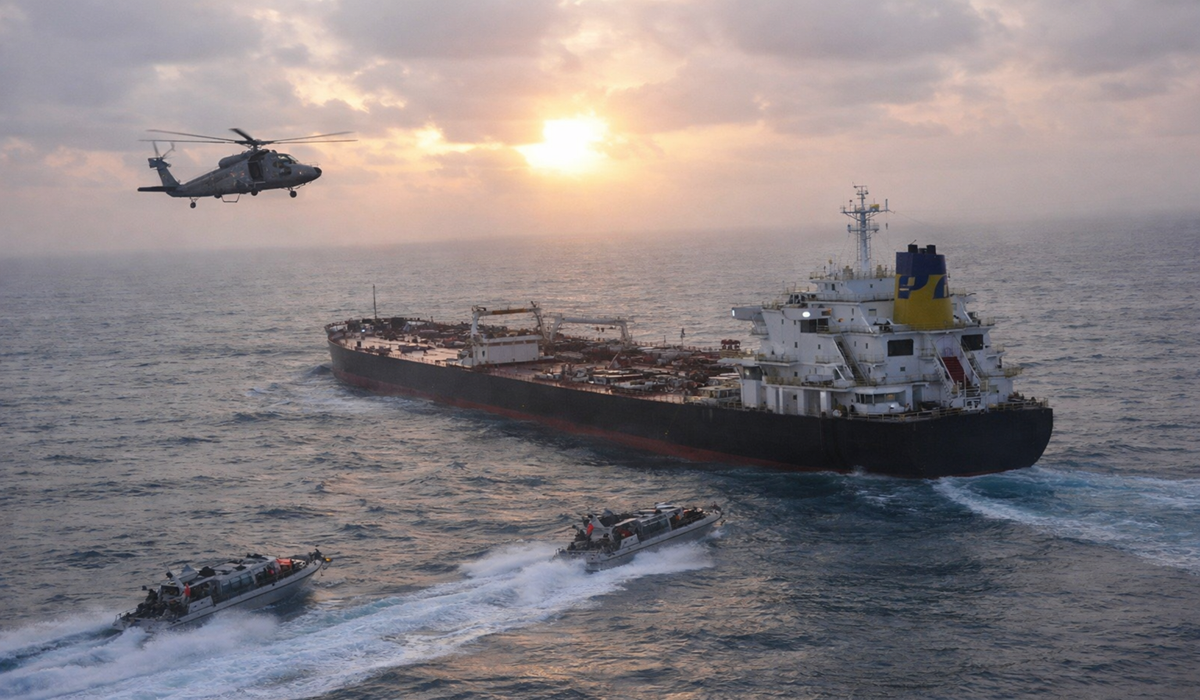
Iran’s seizure of two oil tankers in the Persian Gulf carries implications that extend far beyond the vessels themselves. The action draws renewed attention to the Strait of Hormuz, a narrow maritime corridor that functions as one of the most critical energy chokepoints in the world. Any sustained disruption there would have immediate and far reaching consequences for global trade, energy supply, and consumer prices.
The Strait of Hormuz is the primary出口 for oil and gas shipped from the Persian Gulf. Roughly twenty million barrels of oil pass through the strait each day, accounting for about one fifth of global petroleum consumption. In addition to crude oil, a significant share of the world’s liquefied natural gas supply also transits the same waters, particularly exports from Gulf producers. The concentration of so much energy flow through a narrow channel means that even partial interference can tighten global supply very quickly.
If Iran were to move from selective seizures to a broader shutdown or sustained disruption of traffic through the strait, the impact would be structural rather than symbolic. Global oil markets operate on balance and confidence. Removing large volumes from circulation, or even creating uncertainty about whether cargoes will arrive on schedule, forces prices higher as traders, refiners, and governments compete for reduced supply. There are alternative pipelines in the region, but they cannot replace the full volume that normally moves by sea, leaving the market exposed to shortages.
The consequences would cascade well beyond the Gulf. Shipping companies would face sharply higher insurance premiums as war risk classifications expand. Bonding requirements would increase, financing costs would rise, and fewer vessels would be willing to enter the region without substantial compensation. Longer and more expensive routes would be required for some cargoes, reducing the effective number of tankers available globally and further tightening supply. Each of these factors compounds the final cost of energy before it ever reaches a refinery.
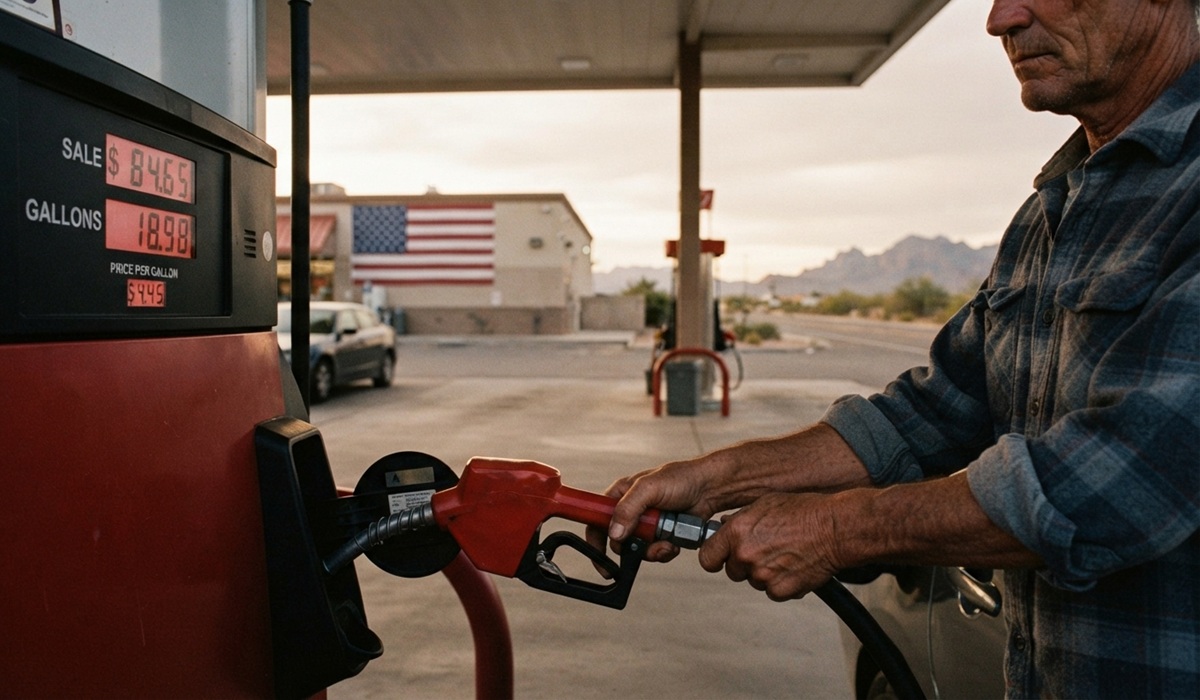
For North America, the effects would be felt at the pump despite the continent’s own production capacity. Oil is priced globally, and price spikes driven by supply shocks in one region are transmitted through international benchmarks. Refineries would pay more for crude, transportation costs would rise, and inventories would tighten. In a severe and prolonged disruption scenario, consumers could face dramatic increases in fuel prices driven not by local scarcity alone, but by global competition for limited barrels. Prices reaching extreme levels per litre would reflect supply constraints, risk premiums, and logistical bottlenecks rather than a single policy decision.
This is why actions such as tanker seizures and port disruptions carry strategic weight. Control over trade routes translates into leverage over global markets, inflation, and political stability far beyond the region itself. The Strait of Hormuz is not just a shipping lane. It is a pressure point in the global economy, and any sustained interference with its operation would reverberate through energy markets, transportation systems, and household budgets worldwide.
About The Author