Massive Winter Storm Continues to Paralyze Large Parts of the United States
- Kingston Bailey
- U.S.A
- February 4, 2026
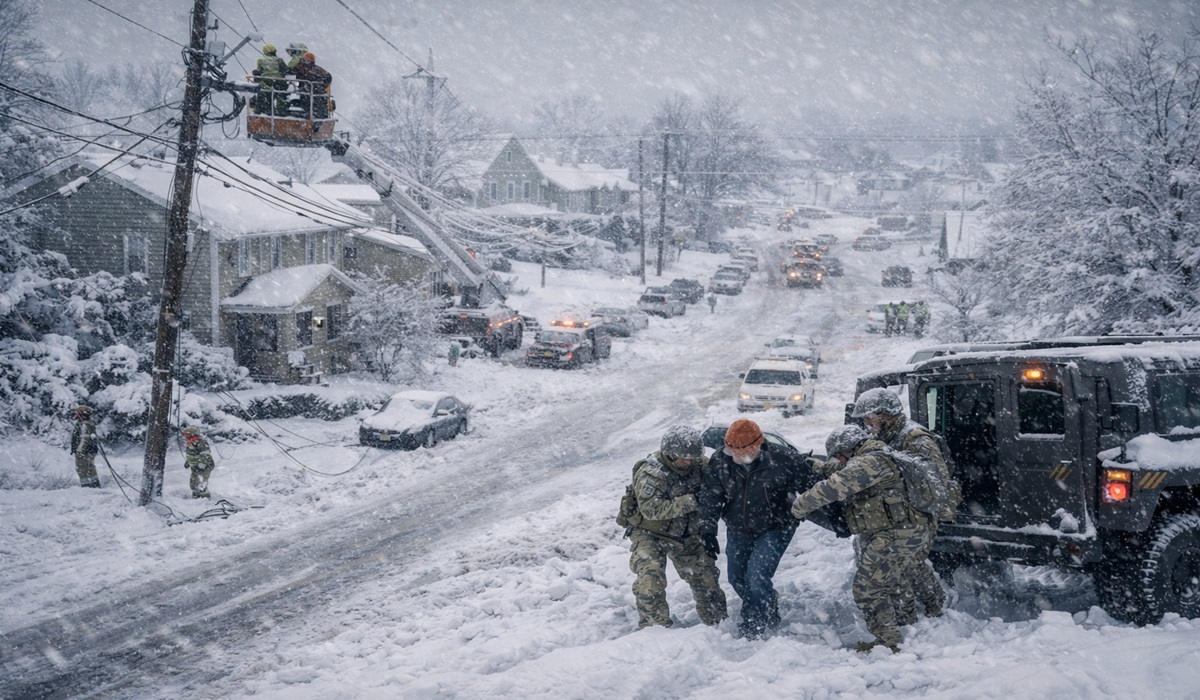
A powerful and far-reaching winter storm continues to impact large portions of the United States today, disrupting daily life across multiple regions and reinforcing how vulnerable modern systems remain to prolonged extreme weather. The storm, which first began sweeping across the country earlier this winter, has evolved into a nationwide event with lingering effects that are still being felt from the Southeast through the Midwest, the Northeast, and parts of the South.
The scale of the storm has been one of its defining features. Heavy snowfall, freezing rain, and dangerously low temperatures spread across dozens of states, creating conditions that many communities were not equipped to handle for such an extended period. While some areas experienced the most intense snowfall days ago, the cold air mass behind the system has refused to retreat, keeping roads icy, power systems strained, and emergency services stretched thin.
Air travel has been among the most visible casualties. Major airports across the country have faced repeated waves of cancellations and delays as airlines struggled to manage aircraft positioning, crew availability, and safety concerns caused by snow, ice, and freezing temperatures. Thousands of flights were grounded nationwide, leaving travelers stranded, business trips postponed, and supply chains disrupted. Even in regions not directly hit by snow, the ripple effects of airport closures and grounded aircraft have been felt.
On the ground, the storm has placed immense pressure on local infrastructure. Power outages have persisted in several states where ice accumulation and extreme cold damaged transmission lines and overwhelmed utilities. In parts of the South and Midwest, communities unaccustomed to sustained freezing conditions have faced prolonged outages, forcing residents to rely on warming centers, generators, or improvised heating methods. Emergency responders have repeatedly warned of the dangers of exposure and unsafe heating practices as temperatures remain well below seasonal norms.
The human toll of the storm has underscored its severity. Authorities have linked numerous deaths to storm-related conditions, including hypothermia, exposure, and vehicle accidents on icy roads. Vulnerable populations, particularly seniors, unhoused individuals, and those without reliable heat, have faced the greatest risks. Shelters, community centers, and local governments have worked around the clock to provide relief, but the prolonged nature of the cold has made recovery slow and uneven.
Emergency response efforts remain active across the country. National Guard units in multiple states have been deployed to assist with transportation, supply distribution, and support for overwhelmed local agencies. Federal resources have been mobilized to help manage waterways, transportation corridors, and emergency logistics as ice and snow continue to pose hazards well after the storm’s initial arrival.
What this storm means for Americans goes beyond snow totals and canceled flights. It highlights how extreme weather can cascade through every aspect of daily life, from electricity and transportation to healthcare access and economic stability. It demonstrates how a single large weather system can strain emergency services for weeks, not days, and how recovery often lags long after headlines move on. It also reinforces the reality that regions historically considered less vulnerable to severe winter weather are increasingly being tested by conditions they are not designed to withstand.
As temperatures slowly moderate in some areas, officials continue to caution that the danger has not fully passed. Melting snow followed by refreezing, damaged infrastructure, and delayed travel schedules are expected to persist. For millions of Americans, this storm has been a stark reminder that nationwide weather events are not isolated incidents, but complex crises that ripple through communities, economies, and daily routines long after the skies begin to clear.
About The Author