Spain’s Prime Minister Targets Social Media Hate With Criminal Penalties For Platform Ownership
- TDS News
- Breaking News
- Europe
- February 4, 2026
By: Donovan Martin Sr, Editor in Chief
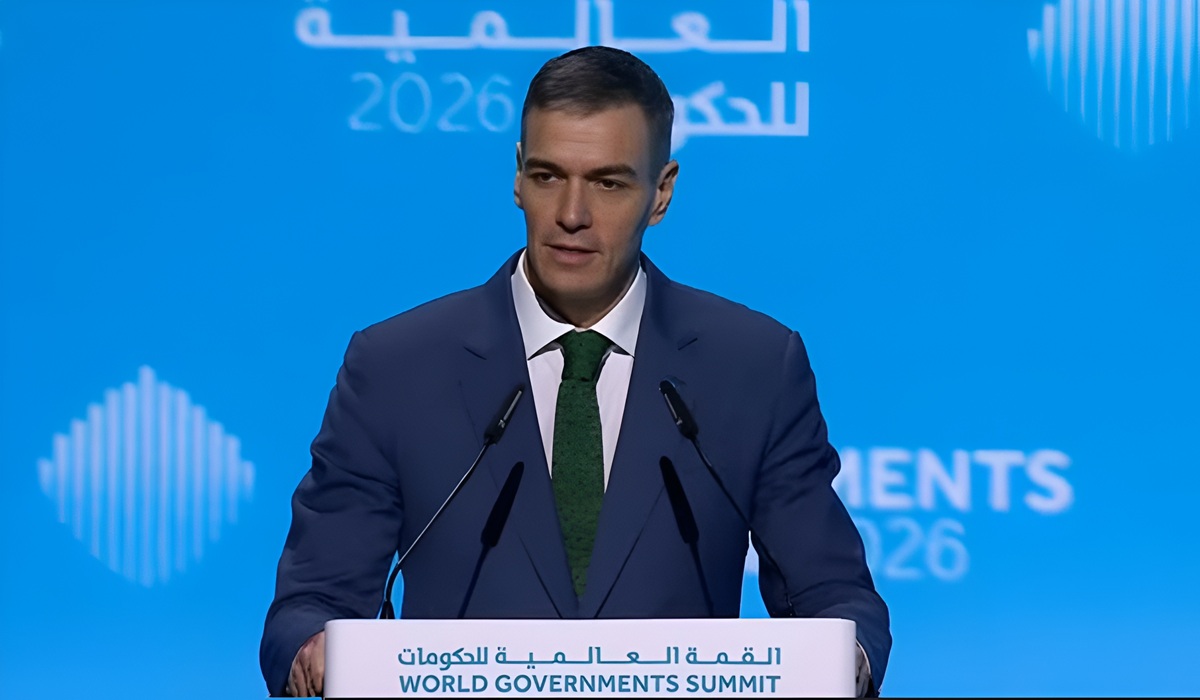
Spain’s Prime Minister Pedro Sánchez is signaling a major shift in how governments deal with the hate economy that thrives online, and he is not being subtle about it. Speaking at a recent conference, Sánchez made the case that social media platforms can no longer act like they are innocent bystanders while toxic and illegal content spreads under their watch. For years, these companies have benefited from the chaos their systems reward, while governments hesitated to act. Spain is now saying that hesitation is over.
The first step Sánchez outlined is changing Spanish law so senior platform executives can be held personally responsible for serious infringements happening on their sites. The idea is direct. If illegal or hateful content stays up, spreads widely, or is ignored when it should have been taken down, the people in charge should not get to hide behind corporate shields or public relations statements. In practical terms, this would mean CEOs and top leadership could face criminal liability for failing to remove unlawful or harmful material. Spain’s message is that executives cannot profit from these platforms during good times, but then claim they are powerless when those same platforms become engines of harm.
The second step goes straight to the heart of how these systems operate. Spain wants algorithmic manipulation and the amplification of illegal content to become a new criminal offense. This is not about pretending harmful content magically appears on the internet. It is about acknowledging the reality that platforms push content through recommendation systems that are designed to keep people angry, addicted, and glued to the screen. Disinformation and hate spread faster than ever because the algorithms are built to reward engagement, and outrage produces plenty of it. Spain is making the argument that platforms should not be able to shrug and say it is just “how the technology works.” If the technology is driving the harm, then the technology becomes part of the offense.
The third step Sánchez described is something called a “hate and polarization footprint,” which would track and measure how much division a platform helps create and how much hate it pushes into public life. That matters because it turns something that has been treated as invisible into something that can be proven. If governments can quantify the damage, they can justify enforcement, penalties, and long-term consequences instead of relying on weak promises from companies that only act when public pressure peaks. The point is simple. Hate should carry a cost, and platforms that fuel it should not be allowed to treat it as free.
On top of these measures, Spain is also pushing toward tougher protections for young users, including proposals to restrict social media access for kids under 16. That reflects an uncomfortable truth many parents already know. Social media is not just entertainment anymore, it is a daily environment that shapes mood, identity, self-worth, and behaviour. When that environment is flooded with harassment and harmful content, kids are often the easiest targets and the ones who pay the price first.
Spain’s approach also includes investigating infringements tied to major platforms and AI-powered systems, including Grok, TikTok, and Instagram. That matters because online harm is evolving quickly. It is no longer just about what people post, it is about what machines help generate, what algorithms push to the top, and what platforms quietly tolerate because it keeps traffic high. When these systems are allowed to run without consequences, they don’t stabilize society. They distort it.
The contrast with the United States is hard to ignore. America has some of the strongest free speech protections in the world, and in practice that often means a massive amount of hateful and abusive content is allowed to thrive online. X has become a prime example, where garbage content and hate speech often spread widely, defended under free expression arguments even when it clearly poisons public conversation. In many other democracies, some of that content would trigger legal consequences. In America, it often becomes part of the culture of “anything goes.”
At the same time, the TikTok debate shows why people are losing trust in platform moderation itself. Critics are increasingly claiming that TikTok now cracks down hard on anything negative involving Israel, while allowing hateful or degrading content aimed at other cultures to stay up, circulate, and sometimes trend. If that imbalance is real, it is not just moderation. It becomes selective enforcement, and selective enforcement always explodes into political conflict. Elon Musk wasted no time calling the new direction fascist, which only poured fuel on an already heated argument about who gets protected online and who gets left exposed.
The deeper truth is that social media has become part of everyday life, but it can be toxic, and at times it can be deadly. When harassment is normalized, when misinformation spreads unchecked, and when hatred becomes entertainment, the damage doesn’t stay inside an app. It shows up in schools, workplaces, families, and communities, and it hits real people who never asked to be targets.
That is why moderation itself is not the enemy. Moderation done fairly and consistently is simply basic responsibility. The real problem is when platforms apply the rules unevenly, or when they use moderation as a shield for profit while leaving entire groups to absorb the harm. A system that punishes certain kinds of speech while quietly allowing other kinds of hate to flourish does not reduce division. It deepens it.
Pedro Sánchez is making the case that governments can no longer afford to wait for these companies to police themselves. Spain’s plan is not about polite recommendations or symbolic reforms. It is about legal accountability, criminal consequences, and measurable penalties that force platforms to change how they operate. In the end, the message is blunt. If social media companies want to function like powerful institutions shaping society, then they will be treated like powerful institutions, with responsibilities and consequences that match that power.
About The Author