SCO Urges Survivors to File Claims as Federal Indian Hospitals Settlement Process Opens
- Ingrid Jones
- Indigenous
- Canada
- February 3, 2026
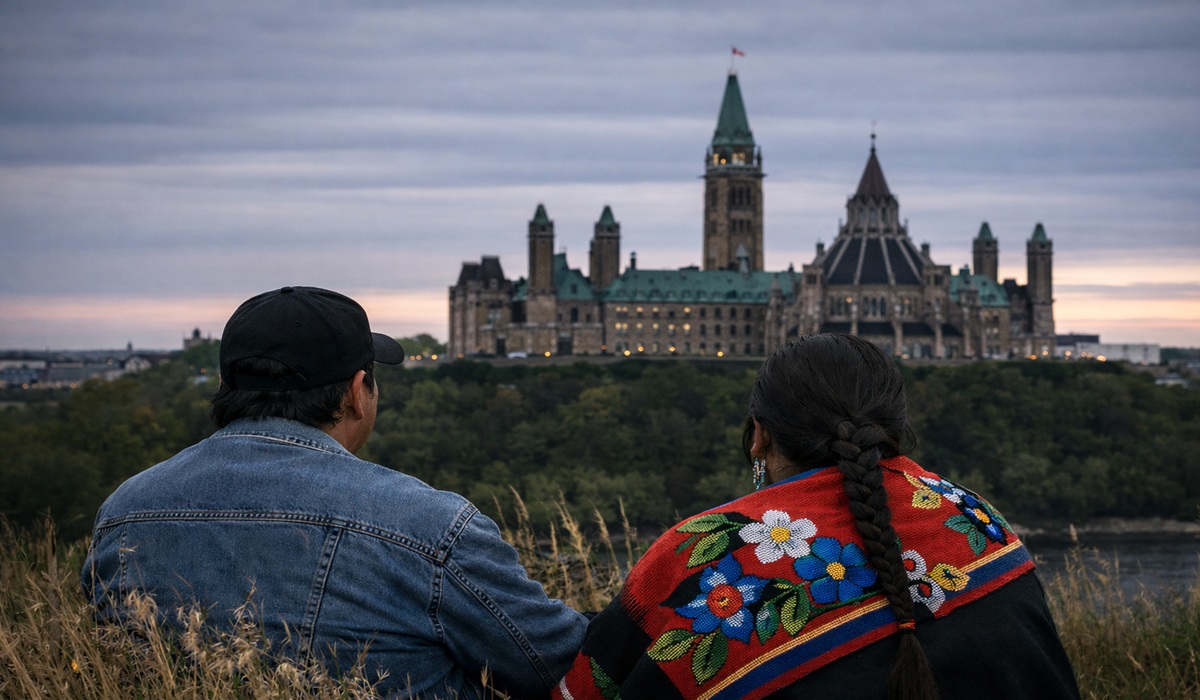
The Southern Chiefs’ Organization is encouraging citizens to come forward and submit claims under the newly approved Federal Indian Hospitals Settlement, after the Federal Court officially opened the claims period. The announcement marks a significant step in recognizing the widespread abuse and mistreatment experienced by Indigenous patients who were admitted to these federally operated facilities for decades.
Speaking from Anishinaabe and Dakota Territory in Manitoba, SCO Grand Chief Jerry Daniels said the settlement offers an important pathway for Survivors to access recognition and support, while also acknowledging the unease many feel about assigning monetary amounts to deeply traumatic experiences.
“The abuse, neglect, and trauma experienced in Federal Indian Hospitals were systemic, deeply damaging, and often carried intergenerational consequences,” Daniels said. “Financial compensation can assist Survivors and should be accessible to those who choose to pursue it, but it must never be mistaken for justice, closure, or a true measure of the harm endured. Meaningful accountability and healing require ongoing investment, truth-telling, and structural change well beyond any settlement framework.”
Federal Indian Hospitals, sometimes referred to as segregation hospitals, were federally operated institutions that separated First Nation, Métis, and Inuit patients from non-Indigenous patients. Many were described as unsafe, under-resourced, and deeply harmful environments. The settlement applies to 33 federally operated Indian hospitals that were in operation between January 1936 and December 1981, though it does not include sanatoriums.
Under the settlement, eligible former patients may receive individual compensation if they experienced psychological, verbal, physical, and or sexual abuse during their time in one of the listed hospitals. Compensation is set to range from $10,000 up to a maximum of $200,000, depending on the harm suffered. Former patients who passed away on or after January 25, 2016 may also qualify through the Estates process.
The settlement does come with limitations. Family members of former patients are not eligible for individual compensation, and the settlement does not cover medical malpractice or claims related to medical treatment itself.
Lake Manitoba First Nation Chief Cornell McLean described the settlement as a meaningful development, while emphasizing the ongoing responsibility to confront the legacy of colonial systems.
“This Settlement is an important step toward justice and accountability,” McLean said. “We must continue to address the long-lasting harm caused by colonial systems and ensure Survivors are met with compassion, respect, and meaningful support.”
Beyond individual compensation, the settlement also includes the creation of an independent foundation that will oversee two major funds aimed at long-term healing and public understanding. These include a $150 million Healing Fund and a $235.5 million Research and Commemoration Fund. In addition, the agreement includes a $150 million increase to existing Indigenous Services Canada programming intended to support the health and wellness of eligible former patients.
Collectively, the funds are meant to support healing, truth-telling, commemoration, cultural preservation, language protection, education, and reconciliation. SCO emphasized that all eligible former patients will benefit from the foundation’s work, along with the enhanced supports provided through Indigenous Services Canada.
To submit a claim, eligible former patients must provide valid government-issued photo identification, such as a status card, health card, provincial identification card, or driver’s licence. Claimants will also need current mailing addresses and contact information.
Grand Chief Daniels said SCO’s Residential School Research Project Team is available to provide assistance to those preparing applications and urged affected citizens to reach out for support.
“Our Residential School Research Project Team is available to support affected SCO citizens with claim applications,” Daniels said. “I encourage anyone who has been impacted by these institutions to reach out for assistance.”
About The Author