South Kordofan Emerges as Sudan War’s New Flashpoint as Aid Routes Collapse, NRC Warns
- Ingrid Jones
- Africa
- Breaking News
- February 2, 2026
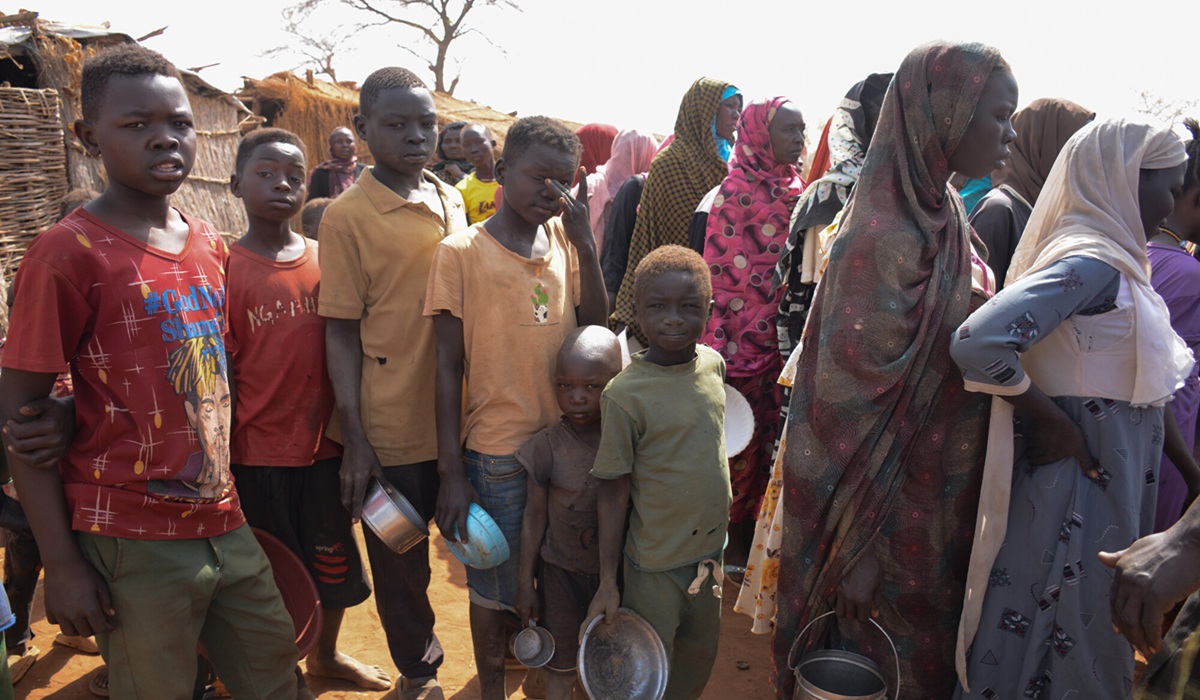
South Kordofan has become the epicentre of Sudan’s war, placing civilians in southern Sudan at growing risk of starvation, bombardment, and mass displacement, according to a warning issued today by Jan Egeland, Secretary General of the Norwegian Refugee Council (NRC). He said intensified fighting and an almost complete blockage of humanitarian supplies are pushing communities toward further widespread atrocities, as international attention and access remain limited.
Egeland delivered the warning at the end of a visit to South Kordofan, stating that the world is again failing civilians in Sudan as the conflict fuels what humanitarian agencies describe as the world’s largest humanitarian crisis. He said the situation is deteriorating rapidly after a year of hunger and sustained attacks on civilian areas.
“South Kordofan has become Sudan’s most dangerous and neglected frontline,” Egeland said, adding that after atrocities in Al Fasher, Darfur, the international community must not allow another civilian catastrophe to unfold. He said residents reported being bombed and attacked in places where they live, worship, and study, describing the crisis as man-made and accelerating toward what he called a nightmare scenario.
In the main towns of Kadugli and Dilling, NRC says essential supply routes have been cut, triggering the collapse of local markets and leaving civilians trapped with little or no access to food, cash, or basic services. Famine is taking hold in Kadugli, while Dilling is considered at high risk of facing similar conditions. The United Nations has assessed Kadugli as already facing famine-like conditions and warned that the situation in surrounding areas is worsening.
During his visit, Egeland met families who said they fled only after survival became impossible. One displaced mother, Asia, said she escaped Kadugli last December with her four children, including a seven-month-old baby, after their home was struck by explosives while her husband was away searching for food. She said she has received no information about her husband since fleeing and now survives by collecting firewood and straw to sell for food. Asia said she remains in Thobo Camp because her children can attend an NRC school there.
NRC reports that thousands of civilians are fleeing the region through small and dangerous journeys, often navigating across active frontlines. Many are heading toward the Nuba Mountains, a region already isolated and impoverished that is now facing renewed violence. Others are fleeing to White Nile, Gedaref, and South Sudan. NRC said displacement routes can take days or weeks and are marked by hunger, theft, intimidation, and abuse.
In displacement camps, newly arrived families are sleeping on bare ground or in overcrowded shelters, with limited aid available. NRC says humanitarian organisations operating in the area are overstretched and underfunded, and essential items are critically scarce. The group reports that children are traumatised, malnourished, and out of school, while parents are identifying psychosocial support, education, and cash assistance as urgent needs.
Egeland said the humanitarian response remains far below the scale required, with international agencies largely absent and access constraints continuing to block aid delivery. He said that as many international organisations scale back operations, Sudanese local responders are carrying much of the burden, running communal kitchens, evacuating families, and delivering assistance under fire.
NRC said it is maintaining operations in Kadugli, the Nuba Mountains, and other areas where displaced families are seeking safety, despite severe security and access challenges. The organisation says it is supporting emergency food, cash assistance, shelter, education, protection services, and water supply efforts where possible, but warned that needs are rapidly outpacing available resources.
NRC is appealing to the parties in the conflict to allow immediate humanitarian access and ensure protection of civilians. The organisation is also calling for urgent funding for life-saving aid and stronger international engagement to prevent further suffering. Egeland said local communities and responders have not given up, and questioned whether the international community will act before conditions deteriorate further.
According to figures cited by NRC, more than 88,000 people were displaced in the Kordofan region between October 25 and January 15. The International Organization for Migration (IOM) estimates the region currently hosts more than one million internally displaced persons. NRC also said there is no remaining UN presence in Kadugli and that most international NGOs have suspended or drastically reduced operations.
Funding shortages remain a major constraint. NRC cited OCHA figures indicating that 62 per cent of humanitarian needs in 2025 went unfunded, with only a fraction of total needs expected to be met in 2026.
About The Author