Premiers Meet in Ottawa, Push Trade Diversification and Faster Project Approvals
- Ingrid Jones
- Canada
- January 30, 2026
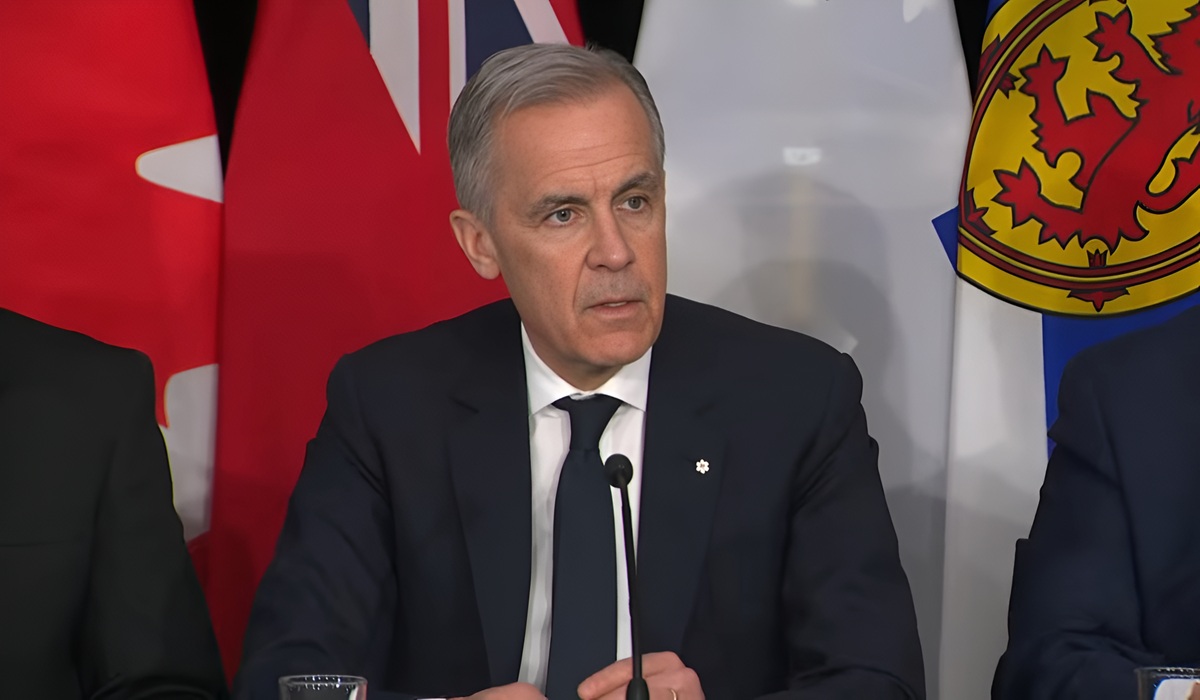
OTTAWA — Canada’s premiers and the Prime Minister met in Ottawa Thursday, pitching a renewed “Team Canada” approach focused on trade expansion, national competitiveness, Arctic security, and faster approvals for major economic projects.
The leaders said they remain committed to protecting Canada’s sovereignty, including in the Arctic, and agreed to speed up strategic investments across the North as geopolitical pressures continue to rise.
Trade took up much of the discussion, with premiers sharing updates from recent international missions. The Prime Minister noted that premiers have led 20 trade missions worldwide in the past six months, while the federal government has signed twelve trade and security agreements across four continents aimed at attracting investment, opening markets, and supporting job creation.
A key announcement was the launch of a Team Canada Trade Hub, meant to better coordinate trade diversification efforts and help provinces, territories, and industries expand business outside the United States. The shared target is ambitious: doubling Canada’s non-U.S. exports over the next decade.
Leaders also agreed to keep supporting industries affected by tariffs, including softwood lumber, steel, aluminum, autos, seafood, canola, and pork. On Canada’s relationship with the United States, the Prime Minister updated premiers on plans for the upcoming review of CUSMA, saying Ottawa will keep provinces and territories in the loop through monthly meetings.
Premiers also agreed to keep pushing major “nation-building” projects, calling for less red tape and streamlined approvals using a “one project, one review” approach. They said work must continue alongside reconciliation commitments and the Duty to Consult Indigenous Peoples.
Electricity and energy security were another major theme. Ottawa is expected to release a new electricity strategy soon, and governments agreed to work toward more affordable and interconnected power systems, especially in the North and in remote Indigenous communities, while still aiming for a net-zero electricity grid by 2050.
On internal trade, leaders pointed to progress through agreements like a mutual recognition deal for goods and an interprovincial trucking memorandum, aimed at improving the flow of products across the country. They highlighted an IMF estimate suggesting that removing internal barriers could produce long-term GDP gains of $210 billion, and agreed to push for broader mutual recognition across more sectors by the end of 2026.
They also committed to faster approval pathways for new building materials and prefabricated homes this year, along with steps to improve labour mobility, including digital verification for trades credentials by Spring 2027 and quicker recognition of key construction safety requirements by Fall 2026.
Public safety was also on the agenda, with leaders discussing border enforcement, tackling financial crimes such as extortion, and criminal justice changes tied to bail, sentencing, victims’ rights, and court delays. Premiers urged Parliament to pass the proposed Bail and Sentencing Reform Act (Bill C-14) without delay, and directed justice and public safety ministers to return by Summer 2026 with an action plan aimed at producing visible improvements in community safety.
The meeting wrapped with an agreement to keep gathering regularly as governments coordinate trade, investment, security, and economic priorities moving deeper into 2026.
About The Author