By: Donovan Martin Sr, Editor in Chief
It didn’t feel like a normal Senate hearing. It felt like something stranger, heavier, and more unsettling, the kind of moment where the world isn’t just listening for policy updates or partisan soundbites, but listening for a sign that the people in charge still understand the danger of what they’re talking about.
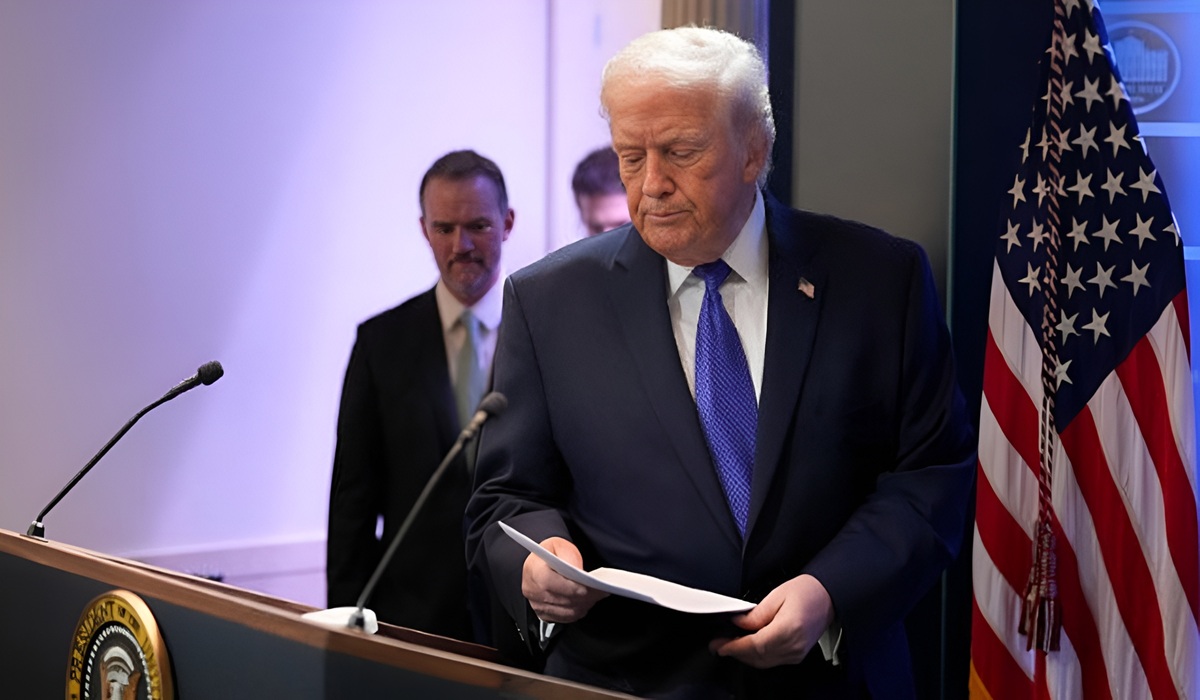
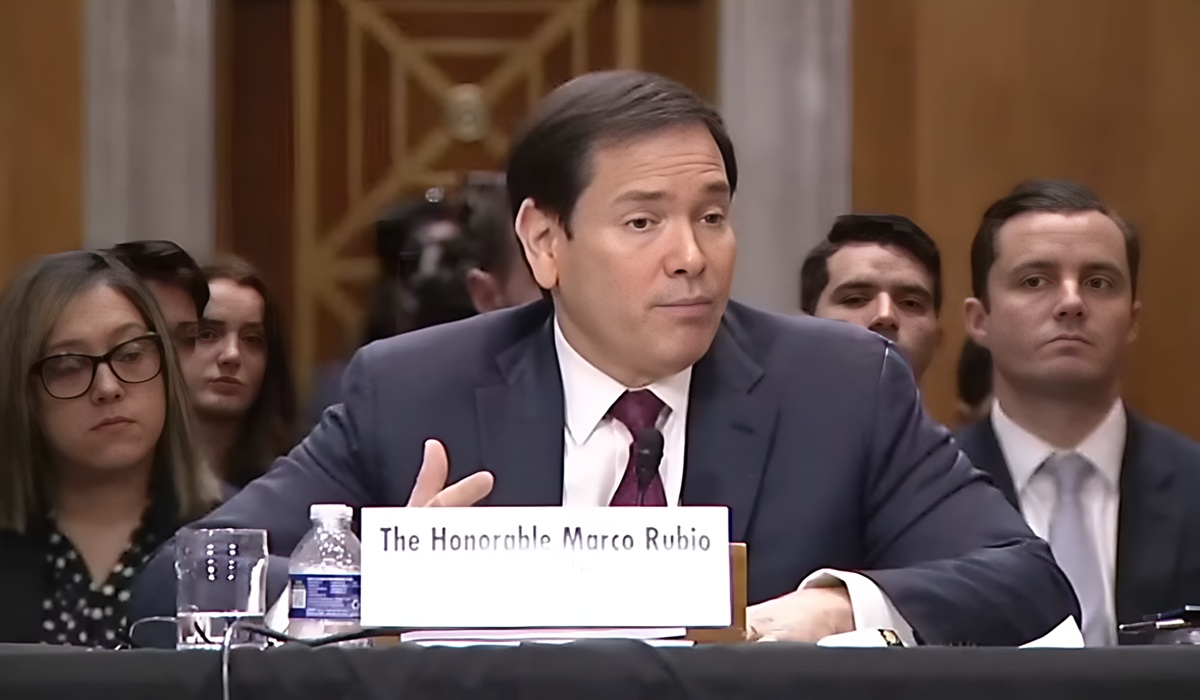
When U.S. Secretary of State Marco Rubio appeared before the Senate on Thursday, the room quickly became more than a hearing room. It became a stage where the United States, once again, had to explain itself to the world, not with slogans or legal jargon or carefully trimmed talking points, but with logic that holds up when the roles are reversed.
And that was exactly where the pressure came from. Senator Rand Paul, sharp and unusually direct, pushed Rubio with a question so simple it was almost embarrassing that it needed to be asked more than once, and he didn’t ask it to be clever or dramatic but because the world understands what he was really getting at.
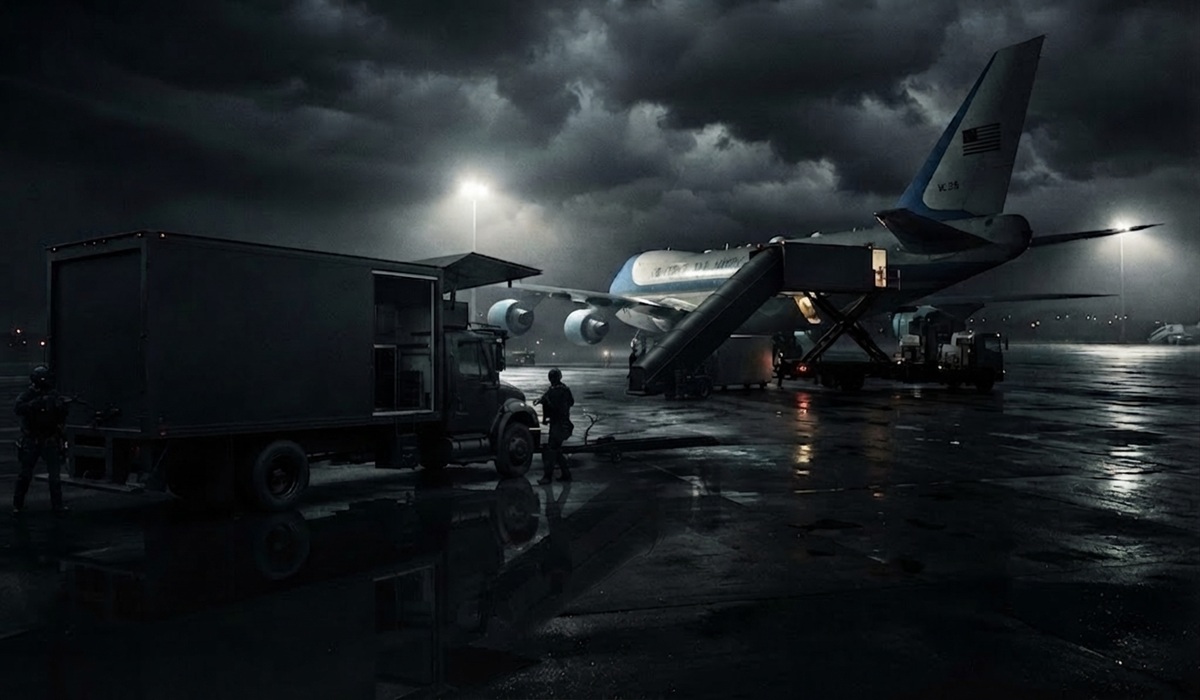
If a foreign power came onto American soil, violated U.S. airspace, killed U.S. citizens, and captured the American president, would the United States consider that an act of war. That was the entire question, and it wasn’t complicated, because you don’t need a legal team to interpret it and you don’t need a classified briefing to answer it honestly.
Rubio didn’t answer it clearly. Instead, he deflected, and the more he dodged, the more the question became unavoidable because the entire room could feel the obvious truth sitting in the middle of the table.
If the United States would call it an act of war if it happened to them, then how can it not be an act of war when America does it to someone else. That’s what made the exchange so uncomfortable, because it wasn’t really about whether people like Venezuela’s former president or whether he deserves sympathy, and the senator wasn’t asking Rubio to defend Maduro as a person.
He was asking whether America believes other nations are allowed to treat the United States the same way America treats them. Rubio refused to step into that mirror, and when someone refuses to look into a mirror it usually means they don’t like what they might see staring back.
As the questioning continued, the conversation widened and spilled into something larger, because American foreign policy always does that. One conflict becomes a doorway into another, one justification becomes a pattern, and one “necessary action” starts to sound like a habit that has been practiced so long nobody remembers what it felt like to live without it.
It drifted into the Middle East, into Iran, and into the kind of language that sounds strategic until you translate it into plain words. Rubio suggested that the United States needs the option of preemptive strikes so Iran does not strike U.S. bases, risking the lives of tens of thousands of American service members, and he framed it as prevention and protection and common sense.
But then comes the second mirror question, and it exposes the contradiction even faster. If America can justify striking first because it fears being struck later, then why can’t other countries justify the same logic against America, especially when they see U.S. bases in their region and U.S. aircraft within reach and U.S. policy being written as if no one else’s sovereignty matters.
That’s where the reasoning collapses, because the answer always changes depending on who holds the power. When America speaks about preemption it is called defense, but when someone else speaks about preemption it is called aggression, and when America does it the language becomes stability while everyone else is expected to accept the consequences quietly.
The rules change based on the flag, and that is the real issue at the center of this entire hearing. It isn’t just that Rubio dodged a question, it is what the dodge represents, because it reflects a worldview where the U.S. is allowed to act like an empire while demanding that every other nation behave like a spectator.
What makes this even more disturbing is that this mindset does not even protect Americans in the long run. It creates danger for them, it builds resentment that eventually becomes strategy, and it leaves ordinary citizens paying for decisions made by people who do not personally carry the cost.
War is not an abstract chess game, and it isn’t a clean sentence in a briefing document. War is people dying, it is families receiving phone calls that change them forever, and it is loved ones holding folded flags as if a triangle of cloth can explain why their son or daughter will never come home.
Most Americans do not want endless war, and most people on Earth do not want it either. They want safety and stability, and they want their kids to grow up, and they want to work and pay bills and breathe without the constant anxiety that another conflict is going to be lit like a fuse and sold as “for their own good.”
That’s why the hearing felt like a loop, because the questions kept returning to the same point and the answers kept sliding away from it. It was a loop of justification and deflection, a loop of moral loopholes dressed up as security, and it was a reminder of how America can keep repeating the same logic while expecting different outcomes.
There is another truth we have to be careful with, because it matters for fairness. The world’s anger is not primarily aimed at ordinary American citizens, because the average American is not the enemy and never has been, and most are simply trying to live like everyone else, working hard and caring for their families and hoping they can have a decent life.
The anger is aimed at policy, at hubris, and at administrations that treat the rest of the world like a board game. It is aimed at the mindset that says Washington can decide who lives, who governs, who gets punished, and who gets “liberated,” while everybody else is expected to accept it as normal.
That arrogance does not make the United States strong. It makes it feared, distrusted, and resented, and it leaves the country isolated in ways that no speech can fix.
Senator Rand Paul was trying to force a basic moral question into the open, and it was not a complicated question. If it would be an act of war if it happened to the United States, then it is an act of war when the United States does it to someone else, and pretending otherwise only teaches the world that American power comes with no consistent rules.
Rubio would not say it, and that refusal might be the loudest thing that came out of the room. Because in the end this was never only about Venezuela or Iran, it was about whether America can still recognize the difference between power and justice, and the hearing left the world wondering if it can.
About The Author