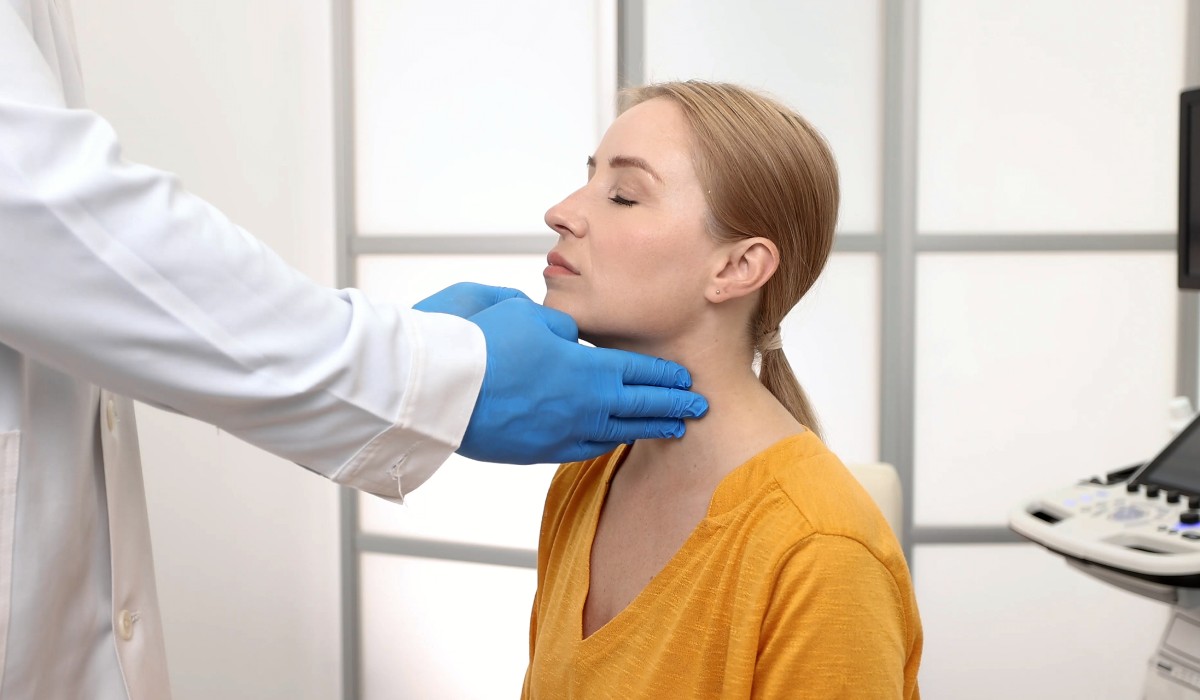
Our bodies rely on a complex network of hormones to regulate everything from metabolism to growth and mood. Endocrinology is the branch of medicine that focuses on these chemical messengers and the glands that produce them. For those entering retirement, understanding how doctors monitor these systems becomes increasingly important as hormonal balances shift with age. Endocrinologists rely on specialized technology to diagnose and treat these conditions effectively.
Blood Glucose Monitors
Managing diabetes often becomes a priority later in life, and blood glucose monitors serve as the first line of defense. These compact devices allow patients and doctors to track blood sugar levels throughout the day. By placing a small drop of blood on a test strip, the monitor provides an immediate reading. This real-time data helps doctors adjust medication dosages and helps patients make informed dietary choices. Continuous glucose monitors (CGMs) have also gained popularity, as they provide readings every few minutes without the need for constant finger pricks.
Insulin Pumps
For individuals who require insulin therapy, insulin pumps offer a sophisticated alternative to multiple daily injections. These small, computerized devices deliver a steady flow of fast-acting insulin 24 hours a day through a small tube placed under the skin. The device mimics the way a healthy pancreas works by delivering small continuous doses (basal rate) and variable larger doses (bolus) around mealtime. This technology offers greater flexibility in lifestyle and often leads to better long-term blood sugar control.
Thyroid Ultrasound
Thyroid issues are common among older adults, and ultrasound technology provides a noninvasive way to examine the thyroid gland. This imaging test uses sound waves to create a picture of the thyroid, allowing doctors to look for nodules, cysts, or tumors. The procedure is painless and quick. While primarily used for imaging, endocrinologists use Dopplers in various ways during these exams to evaluate blood flow within the thyroid gland, which helps distinguish between benign and malignant nodules.
Bone Densitometry (DEXA Scan)
As we age, bone health becomes a significant concern, particularly the risk of osteoporosis. A Dual-Energy X-ray Absorptiometry (DEXA) scan is the gold standard for measuring bone mineral density. The machine uses low-dose X-rays to scan the spine and hips, determining how strong or dense the bones are. This tool helps doctors predict the risk of fractures and monitor the effectiveness of osteoporosis treatments.
Hormone Assays
Hormone assays are sophisticated blood tests that measure the levels of various hormones in the body. Since hormones circulate in tiny amounts, these tests must be incredibly sensitive. Laboratories use advanced techniques to detect imbalances in cortisol, thyroid hormones, growth hormones, and sex hormones like estrogen and testosterone. These precise measurements allow endocrinologists to pinpoint the root cause of symptoms such as fatigue, weight changes, or mood swings.
The Right Tools for Better Health
Modern endocrinology relies heavily on these advanced tools to provide accurate diagnoses and effective treatments. By understanding the technology your doctor uses, you can take a more active role in managing your hormonal health during your golden years. Schedule a check-up with your specialist to discuss which of these monitoring methods might benefit your specific health needs.
About The Author