Snap Election Rumours Are Back, But The Math And The Moment Don’t Add Up
- Ingrid Jones
- Canada
- January 29, 2026
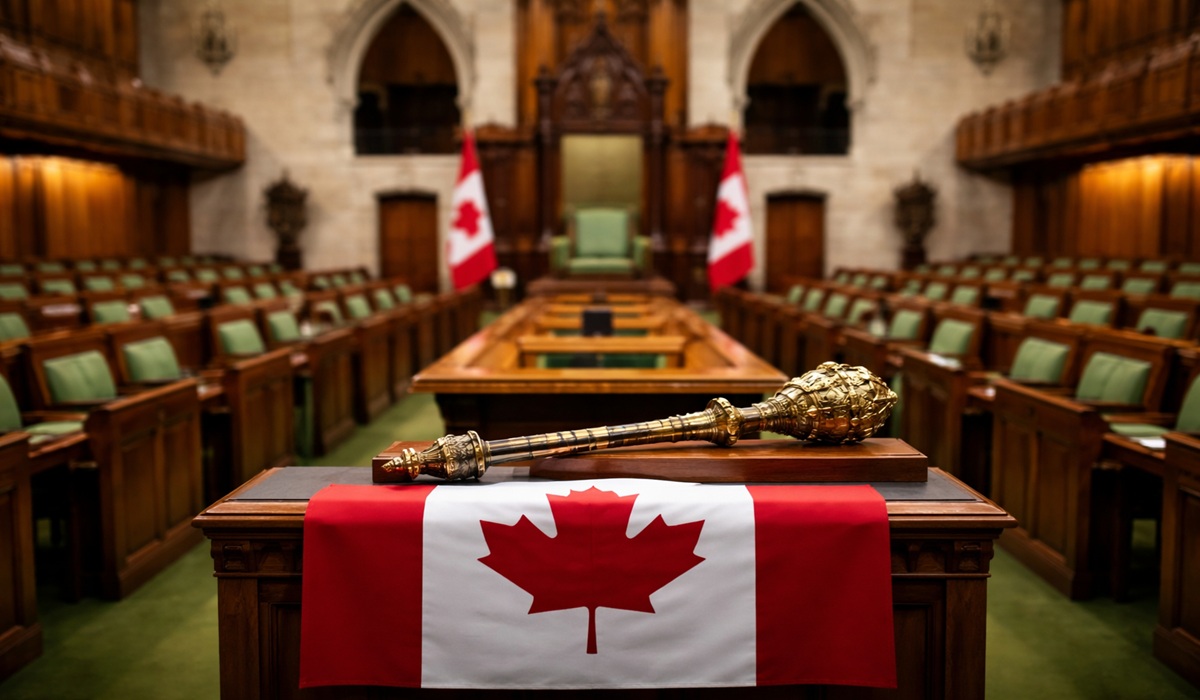
Rumours are swirling again in Ottawa that the Prime Minister is preparing to call a snap federal election. It is the kind of talk that reliably returns whenever Parliament resumes, whenever a government has a busy legislative calendar, or whenever pundits sense a storyline that can be stretched for another news cycle. None of that, on its own, is evidence that an election call is coming.
Canada’s election timing is not a mystery. Under the fixed election date framework, the next scheduled federal election is set for October 15, 2029, unless Parliament is dissolved earlier. A Prime Minister can still seek dissolution at any time, but the question is not whether it is possible, it is whether it is rational.
The current seat math makes a snap election a risky move with limited upside. The House of Commons has 343 seats, and a majority requires 172. As of today, the Liberals hold 170 seats, which puts them two seats short of majority territory, and close enough to govern without rolling the dice on a national campaign.
That closeness matters because minority parliaments do not automatically collapse. Governments can and often do continue by negotiating support issue by issue, especially when there is no clear appetite among voters for immediate upheaval. A snap election one year after a federal vote is not something Canadians typically welcome unless there is a genuine paralysis in Parliament or a clear loss of confidence that makes governing impossible.
There is also a straightforward strategic point that gets lost in the noise. If a government is two seats short of a majority, time is usually its ally, not its enemy, because the parliamentary landscape can change without a general election. By-elections happen when seats become vacant, MPs resign, or other shifts occur, and governments often try to build strength through governing, recruiting strong candidates, and letting the opposition wear the daily grind of Parliament.
So when the snap election rumours flare up, it is worth asking what they accomplish. They keep the Prime Minister’s name in the headlines, they pressure the opposition into campaign posture, and they feed a familiar media loop that thrives on speculation. That can make for lively commentary, but it does not turn a weak theory into a credible plan.
If something changes, Canadians will know because it will show up in actions, not whispers. Until then, the most responsible way to describe this story is simple: there is chatter, but the incentives do not line up, and the numbers do not demand it. In a Parliament where the government sits two seats from a majority and still has years of runway, an early trip to the polls would be a gamble, not a necessity.
About The Author