How Oil Spills Shape Global Energy Policies
- Casey Cartwright
- Business
- Tiger's Eye Advisory Group - Trending News
- January 26, 2026

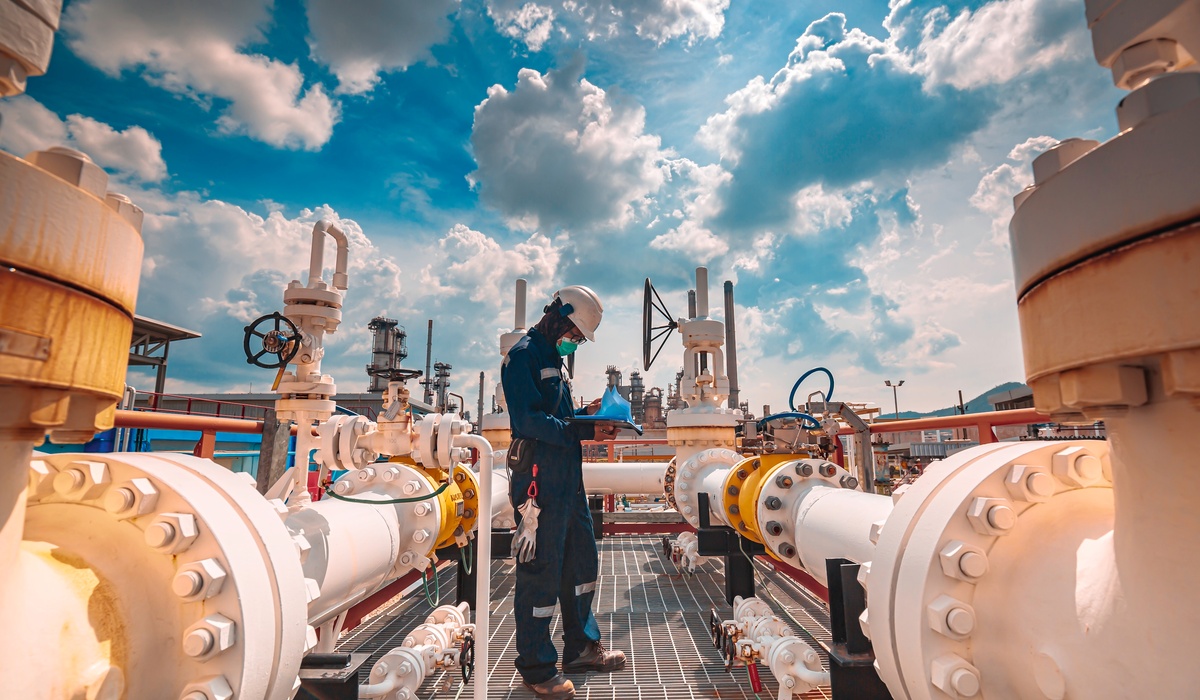
Environmental disasters often catalyze major regulatory shifts, but few events alter the trajectory of legislation as profoundly as oil spills. These incidents not only demand immediate responses but also spark long-term changes in how nations approach energy. How oil spills shape global energy policies becomes clear as their ecological and economic consequences force countries to rethink their reliance on fossil fuels, often accelerating the transition to alternative energy sources and tightening safety standards for extraction and transportation.
Disasters such as the Deepwater Horizon and Exxon Valdez incidents serve as inflection points, prompting governments to impose stricter liability frameworks and operational protocols. These events expose vulnerabilities in existing regulations, demonstrating that the cost of cleanup and remediation far exceeds the price of prevention. Consequently, policymakers face immense public pressure to enact legislation that holds corporations accountable. This often manifests as increased insurance requirements for drilling operations and rigorous environmental impact assessments before new projects receive approval. The political fallout necessitates a delicate balance between maintaining energy security and safeguarding ecological health, resulting in a complex web of international maritime law and domestic drilling restrictions.
Furthermore, the visibility of coastal devastation frequently strengthens the political will required to subsidize renewable energy sectors. When the public witnesses the tangible destruction of marine ecosystems, arguments for cleaner alternatives gain substantial momentum. This shift is not merely environmental but economic; the volatility associated with fossil fuel extraction and transport risks makes renewable infrastructure appear increasingly stable and attractive to long-term investors.
Technological advancements in remediation also influence policy decisions. Governments now mandate that oil companies maintain access to state-of-the-art cleanup technologies. For instance, selecting the appropriate surfactant for oil spill cleanup is a regulatory requirement in many jurisdictions, ensuring that response teams can effectively disperse and degrade contaminants without causing further harm to marine life. These technical requirements are codified in safety protocols, thereby forcing the industry to innovate to meet compliance standards continually.
International cooperation also intensifies following major spills. Because oil slicks ignore maritime borders, neighboring countries often establish joint response treaties and shared liability agreements. These diplomatic efforts foster a standardized approach to energy safety, creating a global framework that discourages negligence. The International Maritime Organization (IMO), for example, has continually updated its conventions to reflect lessons learned from past catastrophes, ensuring that shipping standards evolve with the industry.
Ultimately, how oil spills shape global energy policies attests to the reactive nature of governance. Each disaster leaves a legislative scar, a permanent reminder of the risks inherent in dependence on fossil fuels. These policy shifts, while born from tragedy, incrementally push the global community toward safer extraction methods and, eventually, a more sustainable energy future. The transition may be gradual, but the legislative momentum generated by these ecological crises ensures that the energy landscape of tomorrow will look markedly different from that of today.
About The Author